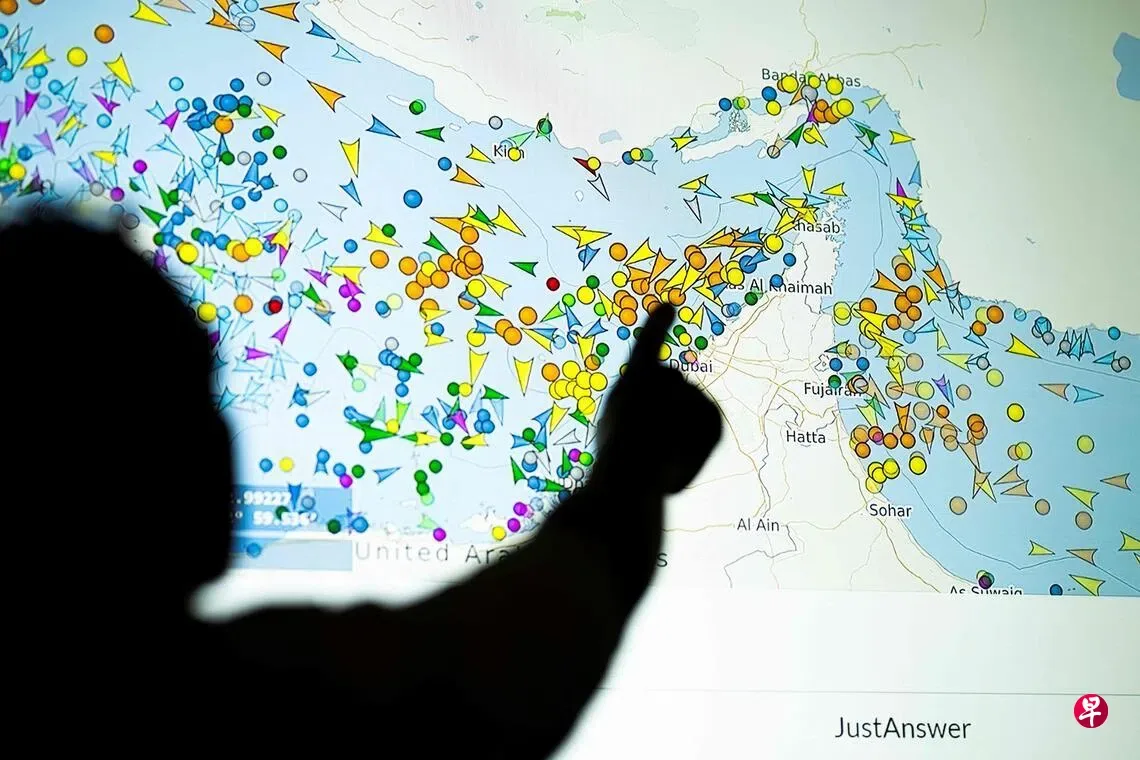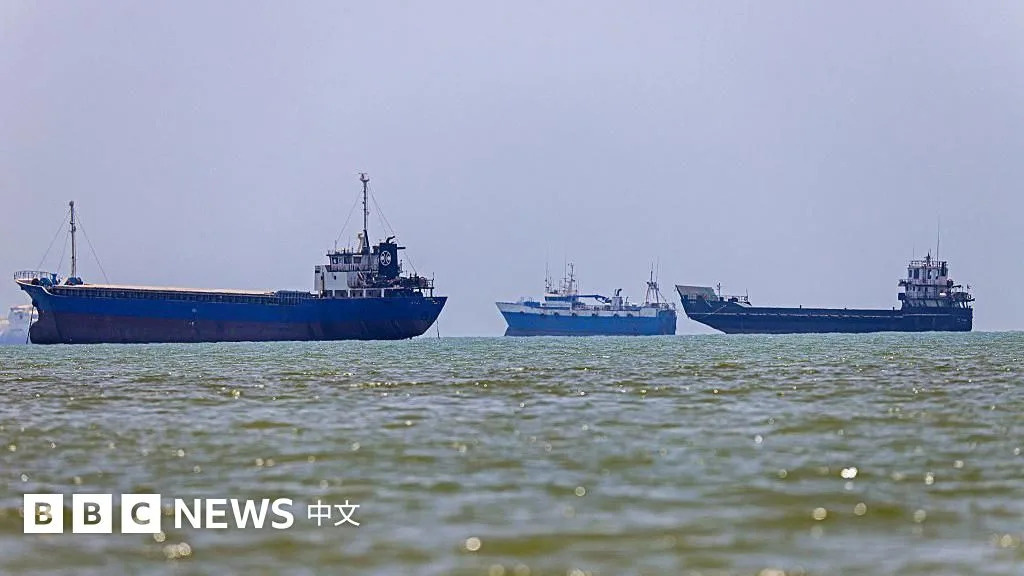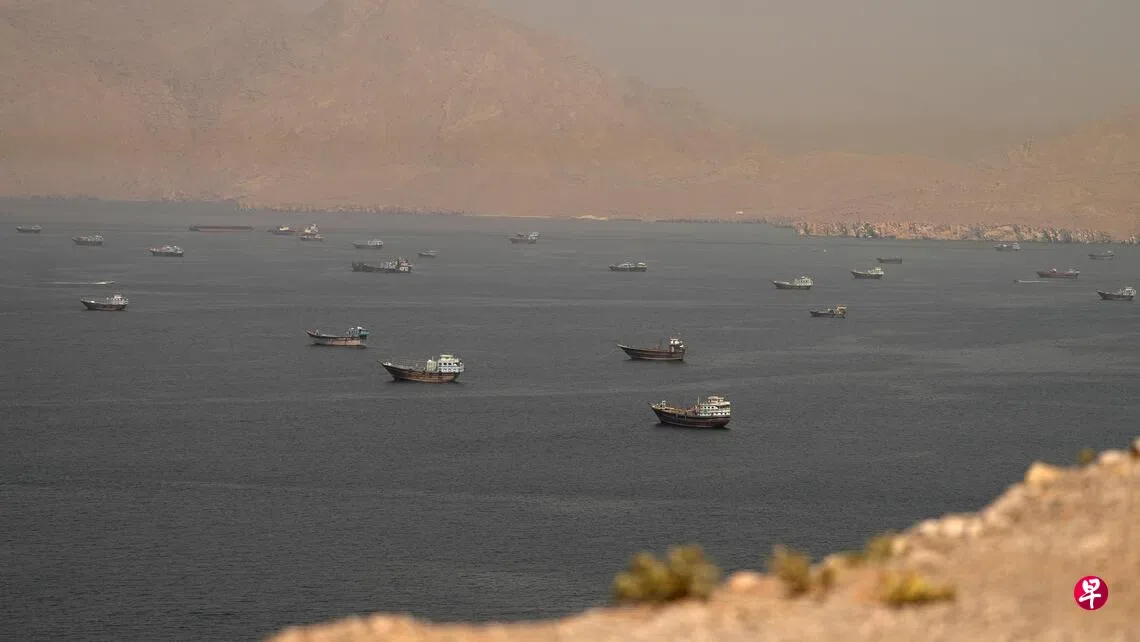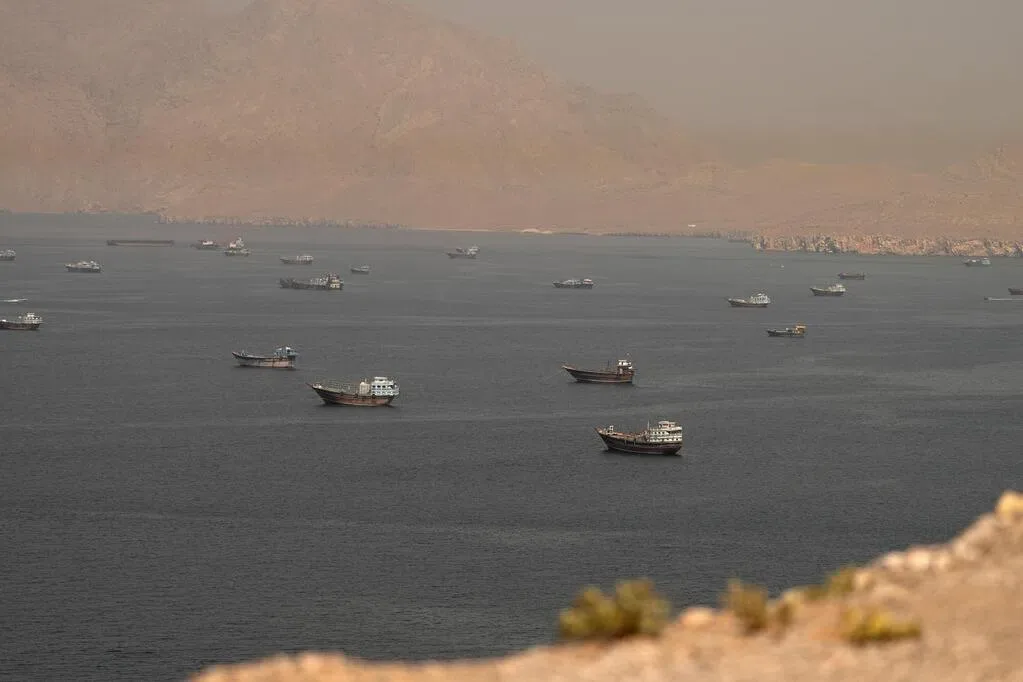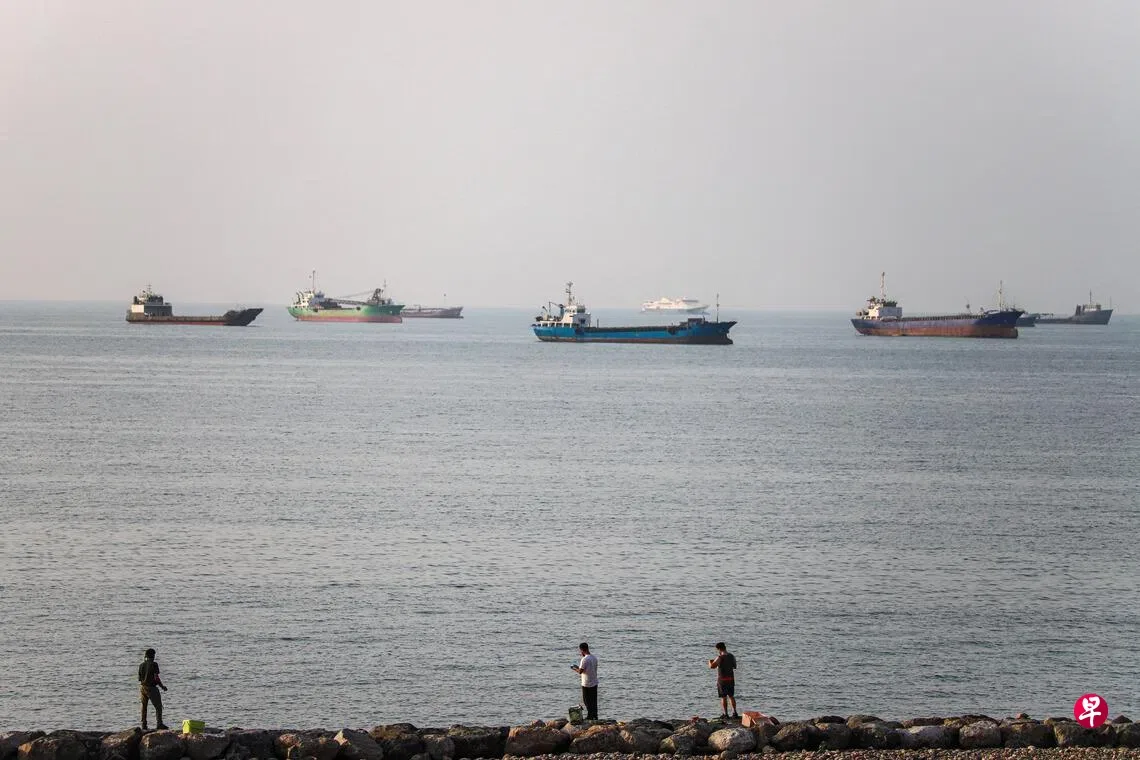
Iran's military announced the closure of the Strait of Hormuz on June 20, blaming Israeli attacks on southern Lebanon and calling them violations of the US-Iran ceasefire agreement signed the day before [1, 2, 3, 4, 5, 6, 7]. The declaration came from Iran's Khatam Al-Anbiya Central Headquarters, which warned of further measures if the attacks continue, stating, "This is a response to the enemy's betrayal, and if aggression continues, we plan further measures to force the enemy to fulfill its obligations" [1].
The US Central Command denied that Iran had closed or controlled the Strait, reporting that maritime traffic continued normally with 55 commercial vessels passing through the waterway on June 20 [3, 8, 9, 10, 11]. USCENTCOM spokesperson Tim Hawkins said, "Iran does not control the Strait of Hormuz; maritime traffic is ongoing and we are monitoring to ensure it remains open" [3]. The Strait of Hormuz is a vital global chokepoint, carrying about 20 million barrels of oil and liquefied natural gas daily as of 2025 [3].
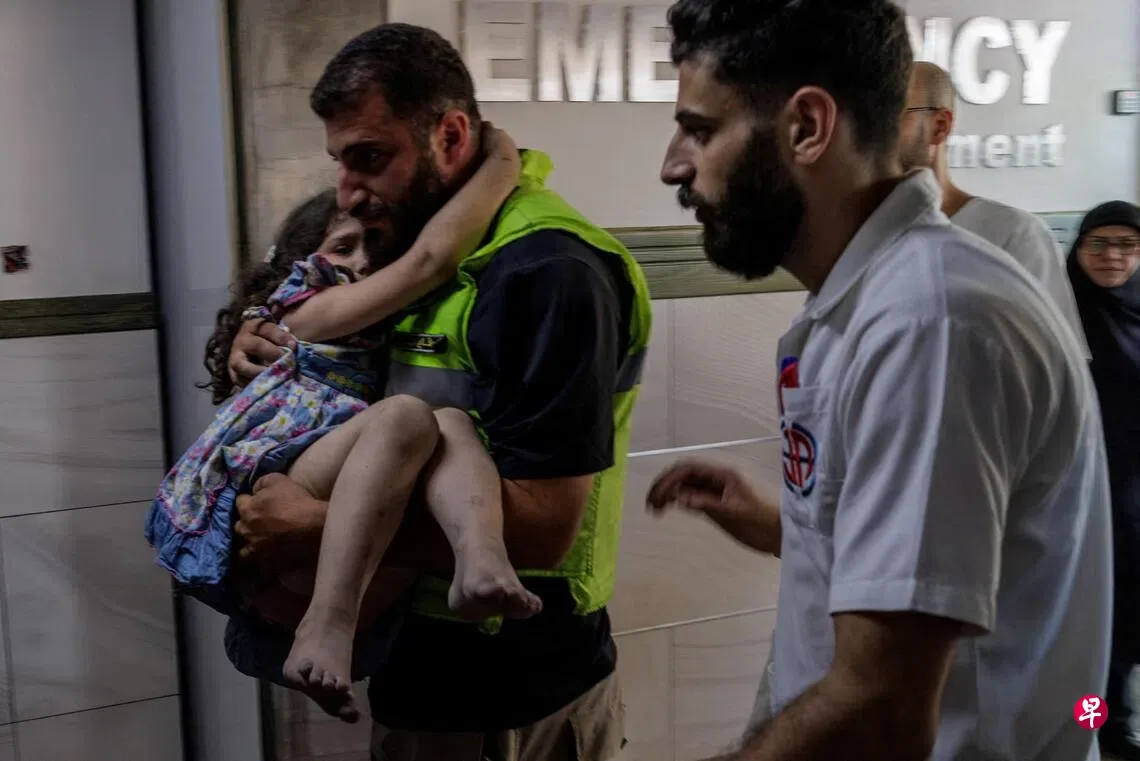
The closure announcement followed renewed Israeli military strikes in southern Lebanon despite an initial ceasefire agreement reached on June 19 between the US and Iran, which aimed for an immediate halt to hostilities including in Lebanon [1, 3]. Israel resumed multiple airstrikes and ground operations shortly after the ceasefire was declared [1, 3]. At least 16 people were reported killed on June 20 due to Israeli air and drone strikes in southern Lebanon, according to local sources [1]. The Lebanese army also reported a soldier killed in the fighting the same day [1, 3].
Hezbollah forces claimed they ambushed Israeli troops attempting infiltration near Nabatieh on the night before June 20 [1]. Israeli officials confirmed that soldiers died in the Lebanon fighting, though reports vary between one and four fatalities [1, 3, 5]. Israeli Ambassador to the US Gilad Erdan said, "We will continue to stay there until the task is completed" [1].
Iran’s Deputy Director of the Presidential Office, Tabatabaei, emphasized that Lebanon’s sovereignty must be respected for US-Iran talks to progress, warning Iran would not reopen the Strait or negotiate if Israeli attacks continue [12]. US Vice President JD Vance and former Trump envoy Witkoff arrived or were en route to Switzerland on June 21 for follow-up peace talks mediated by Pakistan and Qatar, with Pakistan's Prime Minister Shehbaz Sharif attending [1, 2, 3]. Vance said he was "looking for progress on nuclear issues and the Lebanon ceasefire" [3].
The preliminary US-Iran ceasefire agreement reached on June 19 covers multiple conflict fronts including Lebanon, with further detailed negotiations planned within 60 days [3]. The latest developments come amid escalating violence and high casualties, with Lebanon’s health ministry reporting over 4,000 deaths since March 2 in the conflict between Israel and Hezbollah [3].