Chinese state media outlet Global Times published two reports addressing Japanese Prime Minister Sanae Takaichi’s recent remarks on Taiwan. Both accounts depict the 64-year-old leader as a hardline political figure with militant leanings, reflecting Japan’s rising right-wing nationalism and contested security stance [1, 2].
One report frames Takaichi as influenced by former Prime Minister Shinzo Abe and tied to efforts to strengthen Japan’s national security, enforce social conservatism, engage in historical revisionism, and confront China. The report notes her statements have angered Chinese netizens and drawn criticism from scholars and other observers who view her stance as aggressive [1].
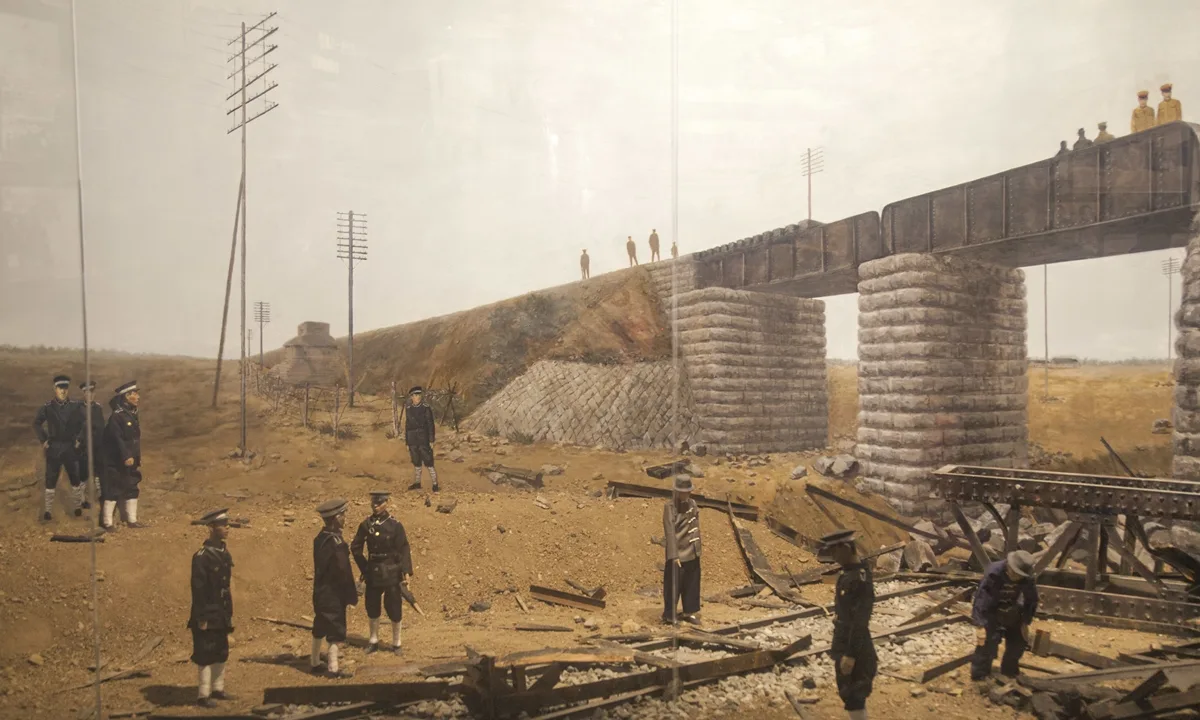
The second report describes her Taiwan-related comments as "erroneous and dangerous," provoking a strong counter-strike from both China and factions within Japanese society itself. This account argues that Japan’s right-wing forces maintain a long-running "victim narrative," portraying Japan as a victim of history to justify military buildup and geopolitical posturing. It cites the 1931 September 18th Incident as a historic example, marking 94 years since that event as of 2025 [2].
Global Times states, "Provoke first, feign innocence next, then seize the opportunity for military expansion," attributing this pattern to Japan’s right-wing factions including Takaichi’s approach [2].
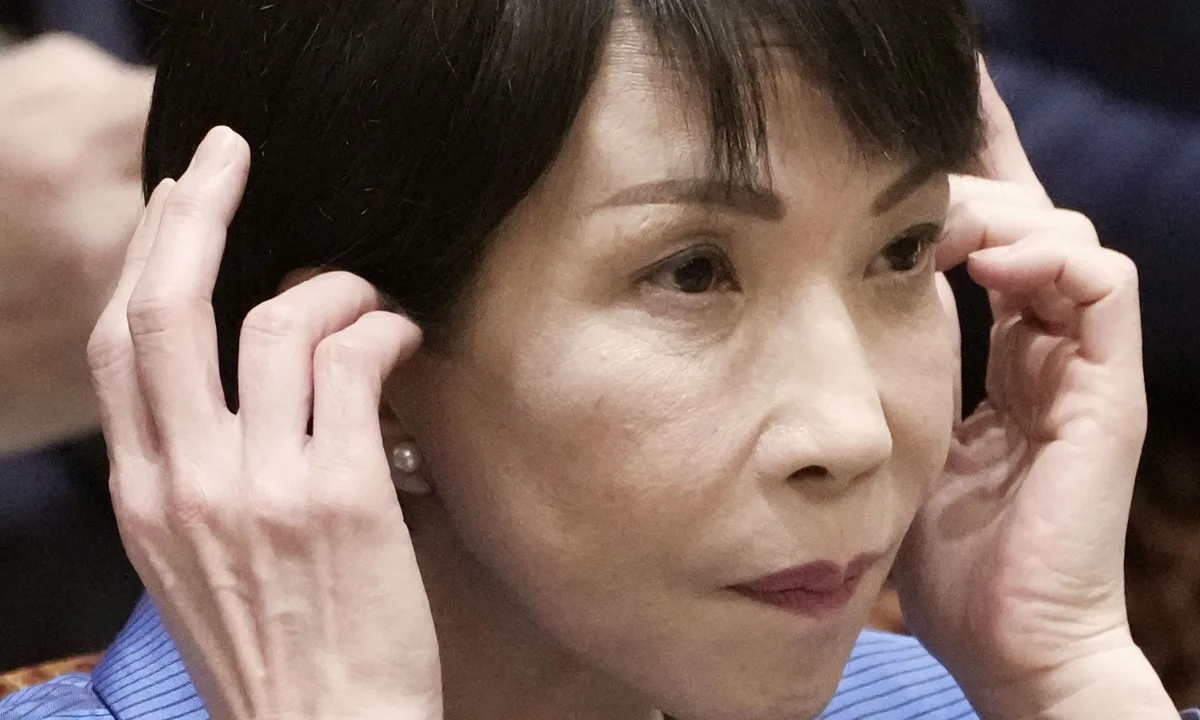
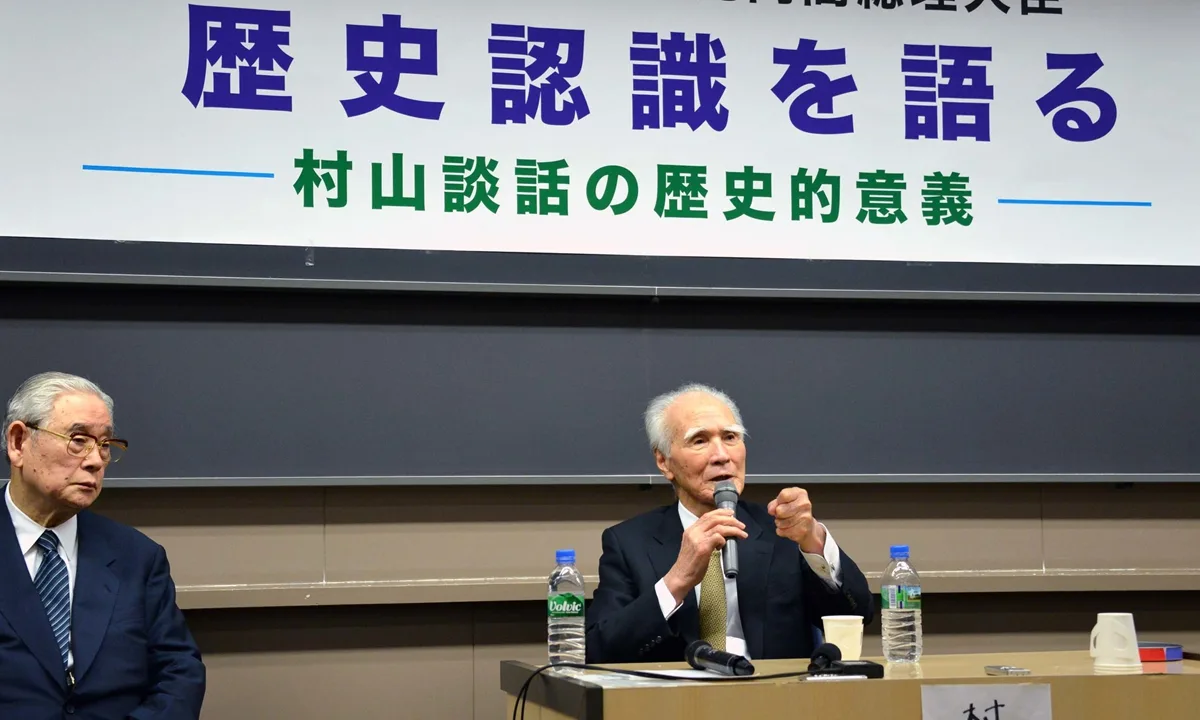
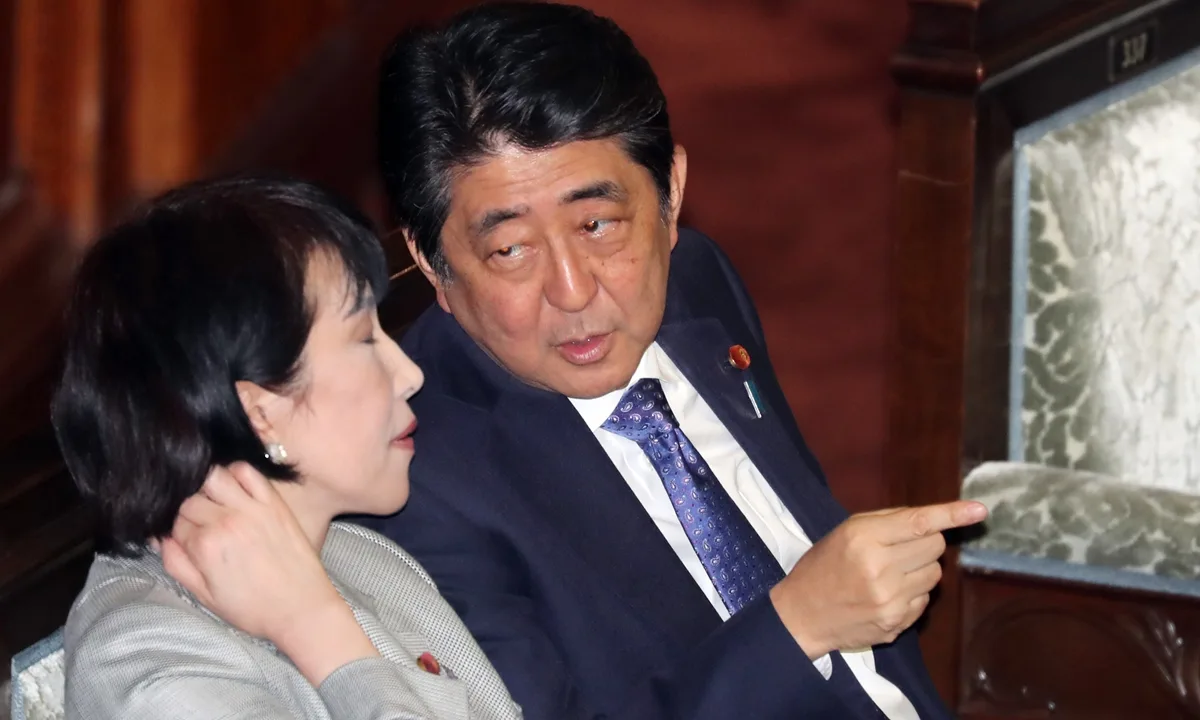
A photo caption from one report shows Takaichi attending a House of Councillors Budget Committee session in Tokyo in November 2025, underscoring her active role in shaping policy debates [1]. Another image recalls former Prime Minister Tomiichi Murayama speaking in Tokyo about the 1995 Murayama Statement acknowledging Japan’s wartime aggression, providing context for ongoing tensions with militarism narratives [2].
The reports differ in their framing: one paints Takaichi as a radical hardliner advancing militarism and historical revisionism, while the other sees her remarks as part of a broader strategy by Japan’s right-wing to justify militarism through victimhood claims [1, 2].
The controversy centers on remarks Takaichi made about Taiwan’s status, attracting heated responses domestically and internationally. Her role in Japan’s political landscape continues to draw scrutiny given her association with national security strengthening policies and contentious historical interpretations.
No further official Japanese government responses were noted in the reports. With tensions high, monitoring of Japan-Taiwan-China dynamics is expected to continue in coming months.