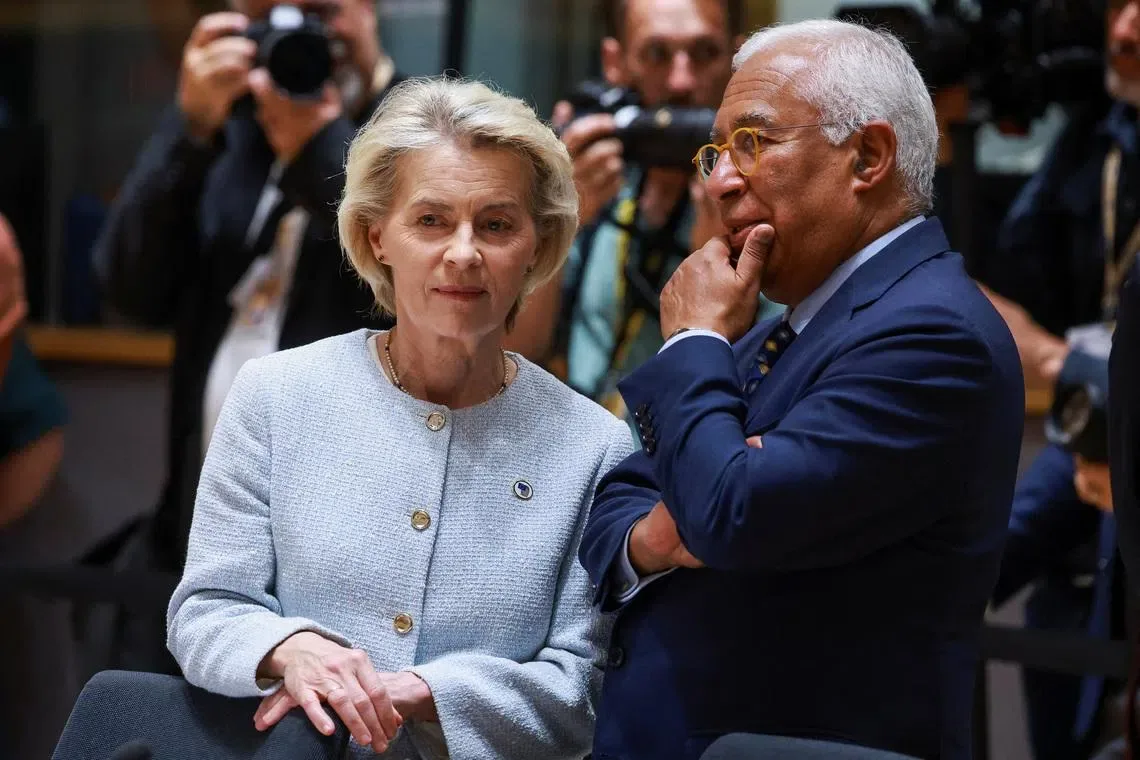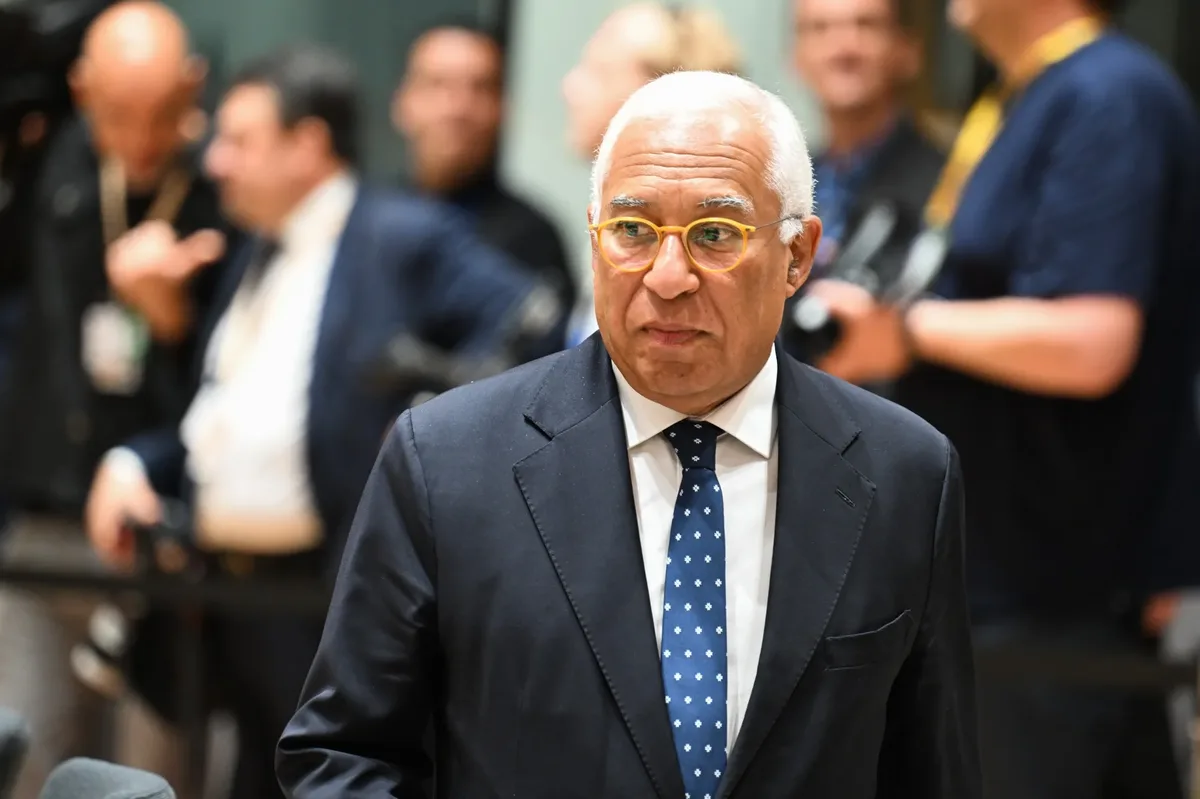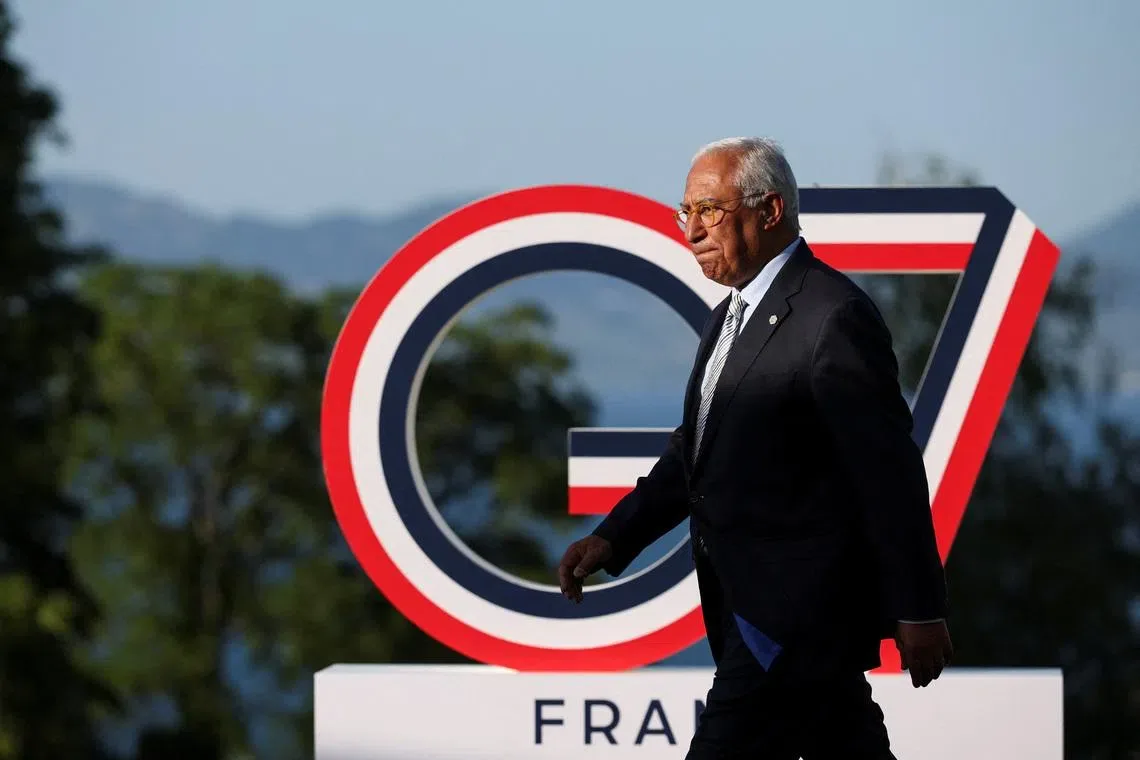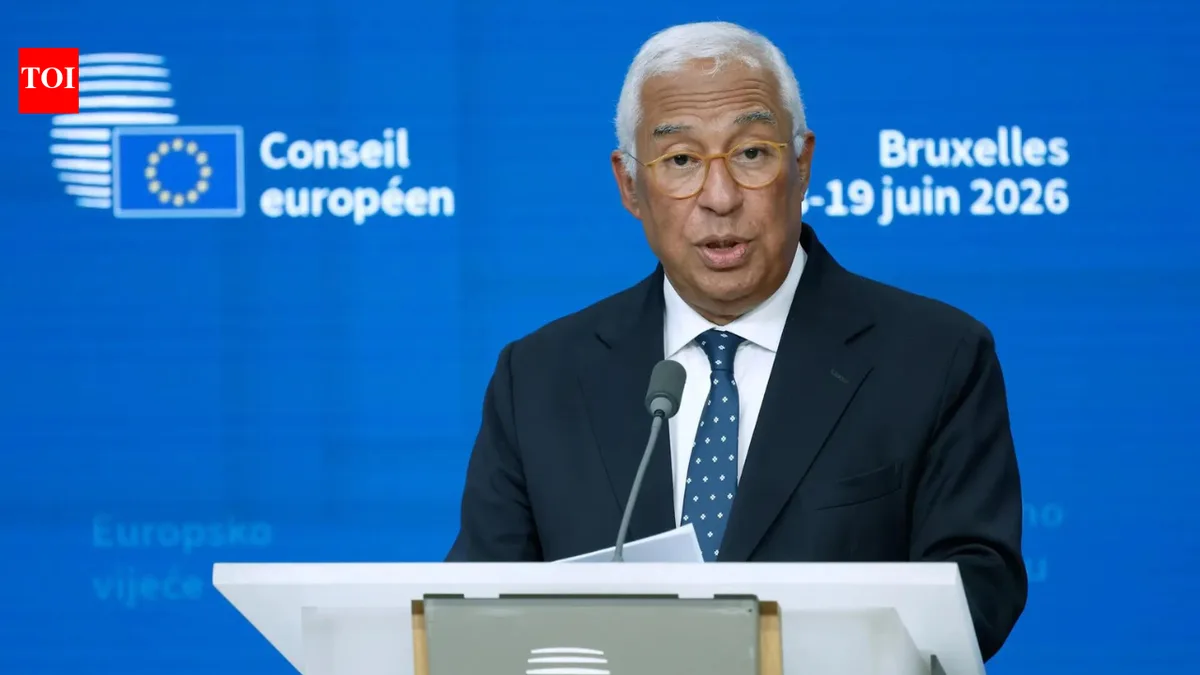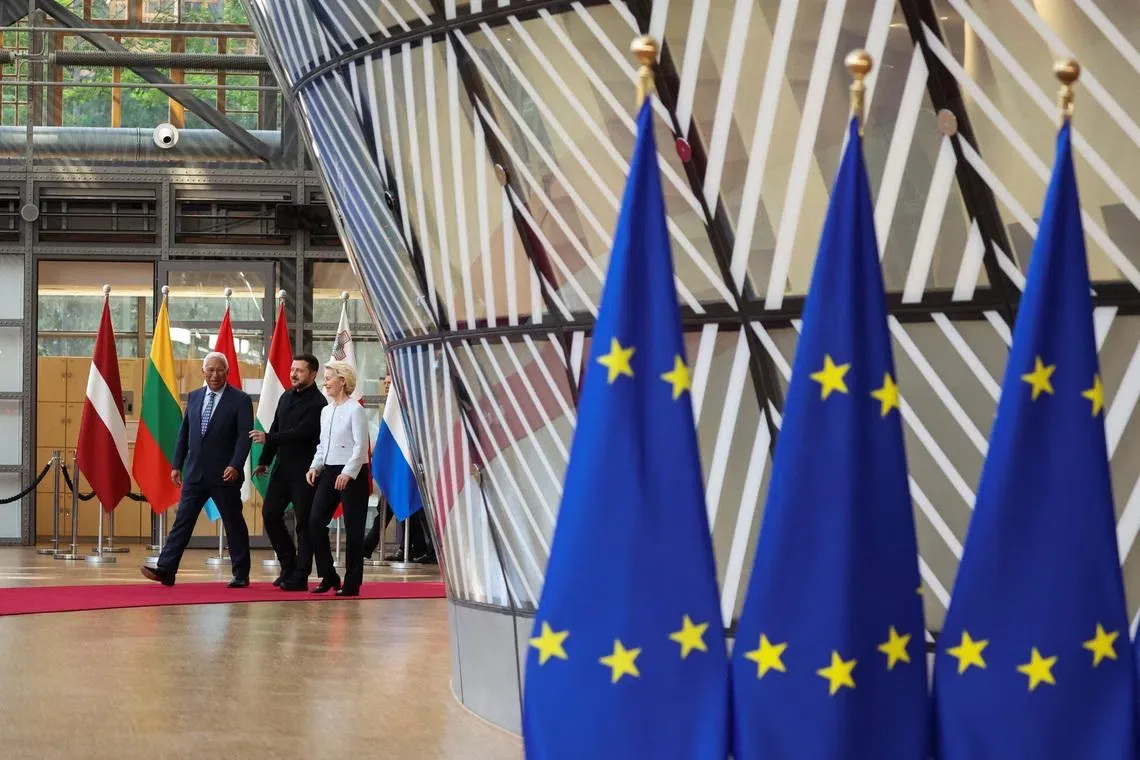
The office of European Council President Antonio Costa made brief diplomatic contacts with the Kremlin on June 17 to establish communication channels, without engaging in substantive discussions, EU sources said [1, 2, 3]. Costa defended the contacts as necessary for supporting Ukraine through diplomatic means, stressing, "The time to negotiate has not arrived yet" [4].
The contacts involved two calls by Costa’s top adviser with a senior Russian official but did not include negotiation or concrete proposals [2, 3]. An EU official said, "What we are talking about is brief contacts with no exchange on substance and no negotiation -- diplomats doing diplomatic work" [3].
The EU maintains strong support for Ukraine and rejects any role as a mediator in the conflict, reiterating the position during the EU summit on June 19 [1, 5, 3]. The summit conclusions expressed support for diplomatic efforts to end the war and readiness to increase engagement when conditions allow [3].
The move exposed divisions among EU member states over engagement with Russia. German Chancellor Friedrich Merz and French President Emmanuel Macron criticized the outreach as uncoordinated and premature, arguing Russia is not ready to negotiate [6, 4]. Latvian Prime Minister Andris Kulbergs said, "Unfortunately no one wants peace on that side ... there is no point for contact if the other party (Russia) doesn't want (peace)" [5].
Other leaders, including Italian Prime Minister Giorgia Meloni and Austrian Chancellor Christian Stocker, support keeping diplomatic channels open but remain skeptical about Russian intentions. Stocker said, "I do not have the impression that Russia, and Russia's President Putin in particular, is coming to the negotiating table in order to negotiate a peace solution" [5]. Meloni emphasized the complexity of choosing EU negotiators given political dynamics among large and medium-sized powers [1].
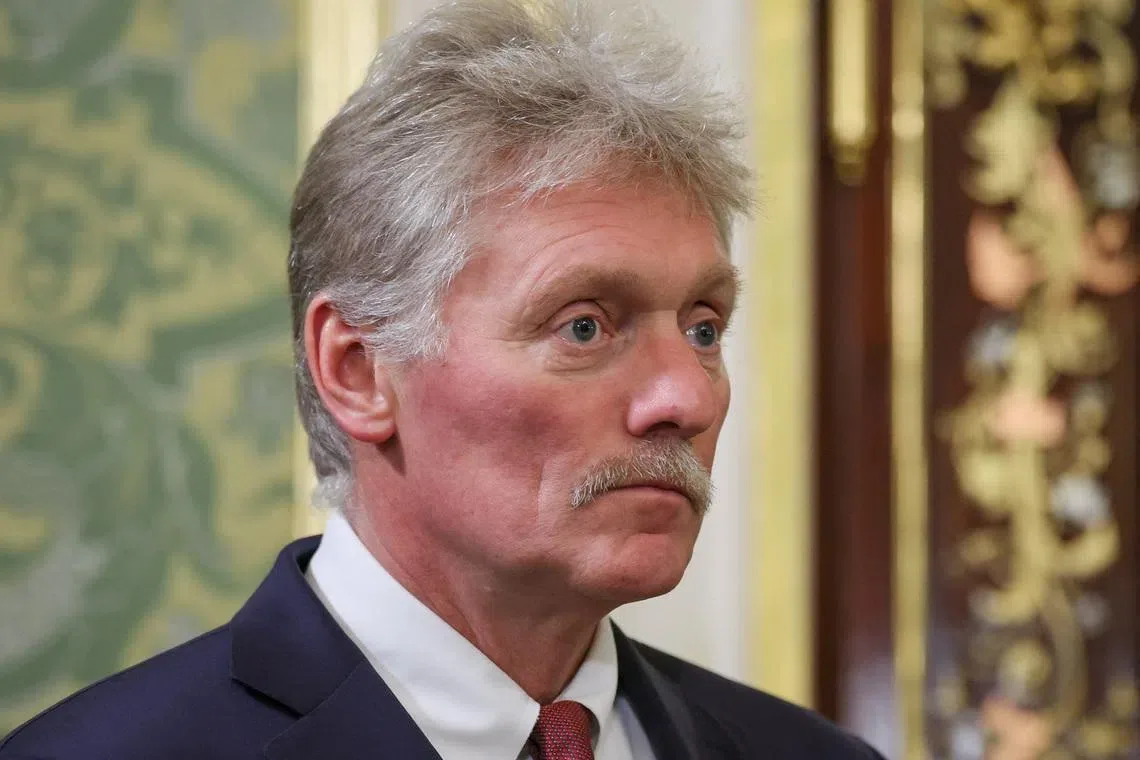
Russia expressed a stated openness to talks with Europe but rejected ultimatums and criticized what it saw as EU demands based on perceived Russian weakness. Kremlin spokesman Dmitry Peskov said, "The Europeans have a very serious misconception: They assume that negotiations with Russia must be conducted from a position of strength and based on Russia's weakness. This is the biggest mistake... Such talk will lead nowhere" [7].
Russian Foreign Minister Sergey Lavrov indicated Russia remains committed to prior US-Russia dialogue and is open to understanding but did not confirm any new peace talks with the EU [8].
The EU has imposed 20 rounds of sanctions on Russia so far [7]. Despite the divisions, Costa's role as European Council president grants him authority to open diplomatic channels to maintain communication. The next steps depend on any changes in Russia’s willingness to engage in good faith negotiations.
The EU summit concluded on June 19 with continued support for diplomatic measures and a readiness to increase engagement when conditions are right, but no immediate talks are scheduled [3].