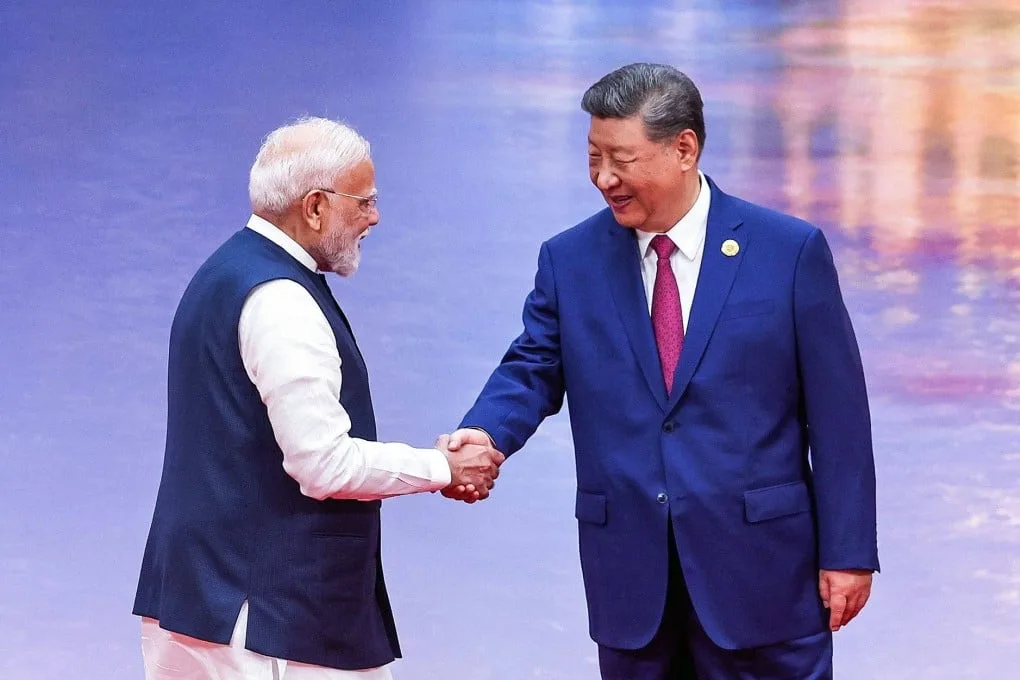
China uses the animal symbols of the dragon for itself and the elephant for India in its diplomatic language, a practice consistent for more than 15 years amid border tensions and policy shifts [1]. The elephant analogy to represent India first circulated in Western academic and media circles before being formally adopted in China’s diplomatic lexicon by official figures like Wen [1].
Despite China’s long-term use, India has declined to adopt the elephant analogy in official or diplomatic language [1]. Some Indian experts attribute this reluctance to India’s focus on historical military confrontation and distrust rather than symbolic framing. They see diplomatic language as shaped by pragmatic and security concerns rather than shared imagery [1]. A former ambassador noted, “Diplomatic language is never neutral. When you adopt someone else’s framing, you partially legitimise their world view” [1].
Chinese analysts interpret the elephant metaphor as a recognition of India as a development partner and a sign of respect for its civilisational heritage [1]. This framing aligns with Beijing’s narrative of coexistence despite ongoing border disputes and political resets over the past decade and a half [1].
For over 15 years, the dragon-elephant animal analogy has been a persistent feature of diplomatic discourse between the two countries amid fluctuating tensions and attempts at dialogue [1]. India’s continued avoidance of the animal metaphor in official language signals a preference to keep diplomatic rhetoric focused on traditional security concerns.
The latest renewal of border negotiations and diplomatic talks between China and India in 2026 is expected to continue without formal adoption of the elephant metaphor by India.