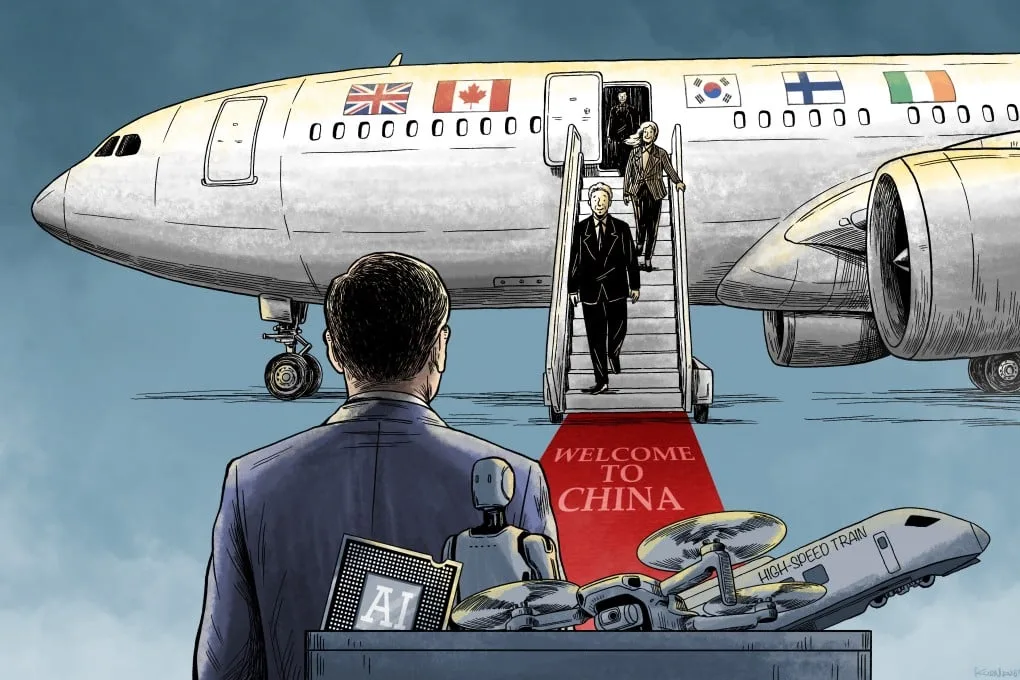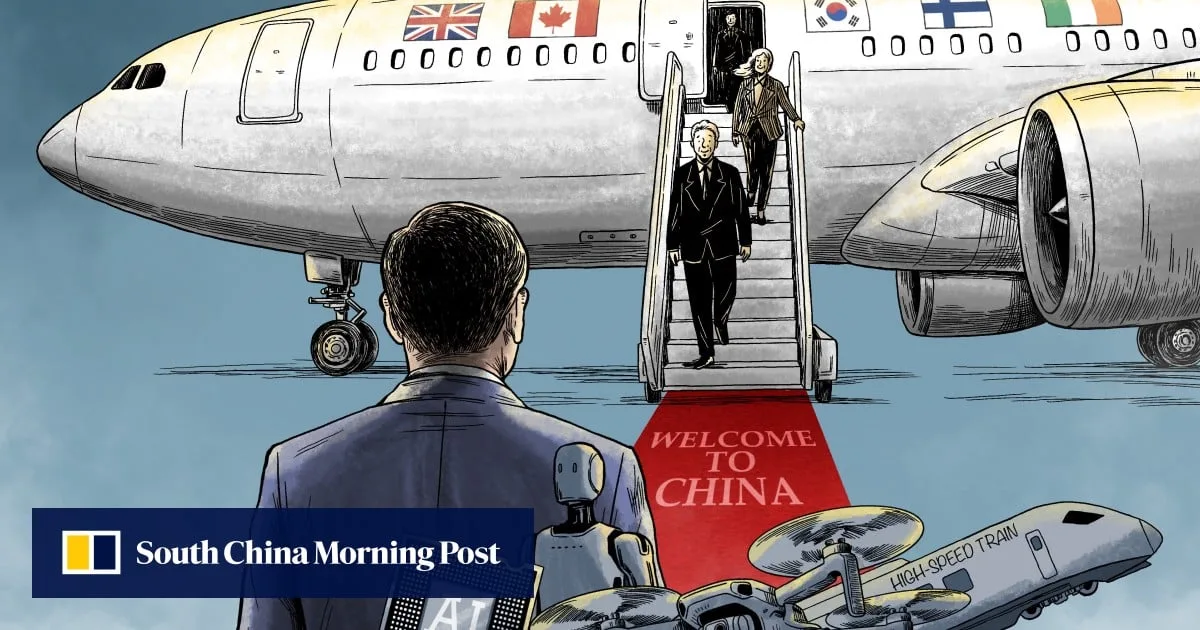
China has shifted its diplomacy toward fewer overseas state visits and more frequent meetings with foreign leaders in Beijing, a pattern that marks a sharper focus on inbound diplomacy than in the pre-pandemic years. [1]
The South China Morning Post reported that Beijing is also giving more weight to neighbourhood diplomacy and ties with European middle powers, as China recalibrates how it manages relations with key regional and global partners. [1]
The change has coincided with a more normalised, home-court style of diplomacy, where high-level multilateral meetings matter more than the traditional rhythm of leader travel, according to observers cited in the report. [1]
Analysts said shifts in Washington’s policies and US President Donald Trump’s approach to diplomacy pushed some allies to reconsider how they deal with China. [1]
Xi Jinping’s overseas travel has eased significantly from the pre-pandemic period, while inbound diplomacy has picked up strongly as face-to-face meetings resumed after Covid-19 restrictions were lifted. [1]
The numbers in the report show the scale of the tilt. From 2013 to 2018, Xi hosted an average of 48 foreign leaders a year. Over the past three years, that annual figure has not fallen below 44, showing that Beijing has kept the doors open even as Xi himself has travelled less abroad. [1]
The latest pattern points to a continuing preference for receiving foreign leaders in Beijing rather than sending Chinese leaders out on frequent state visits. [1]