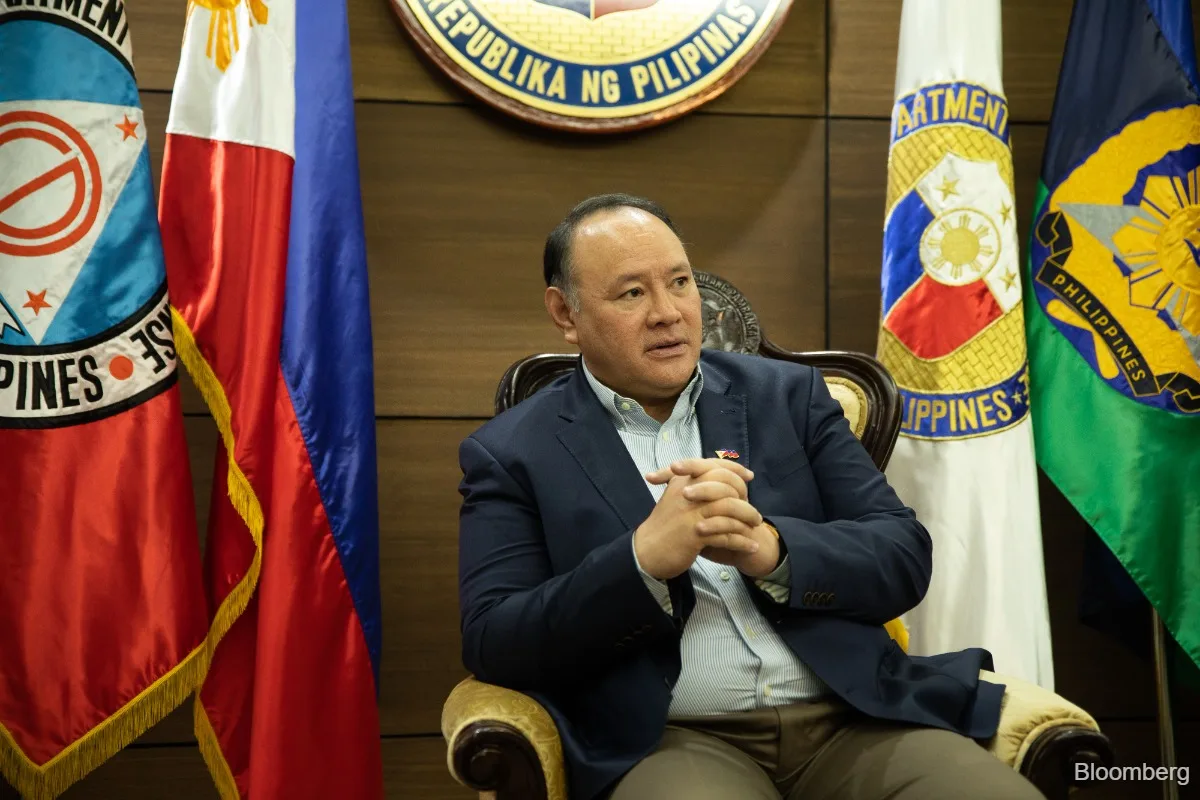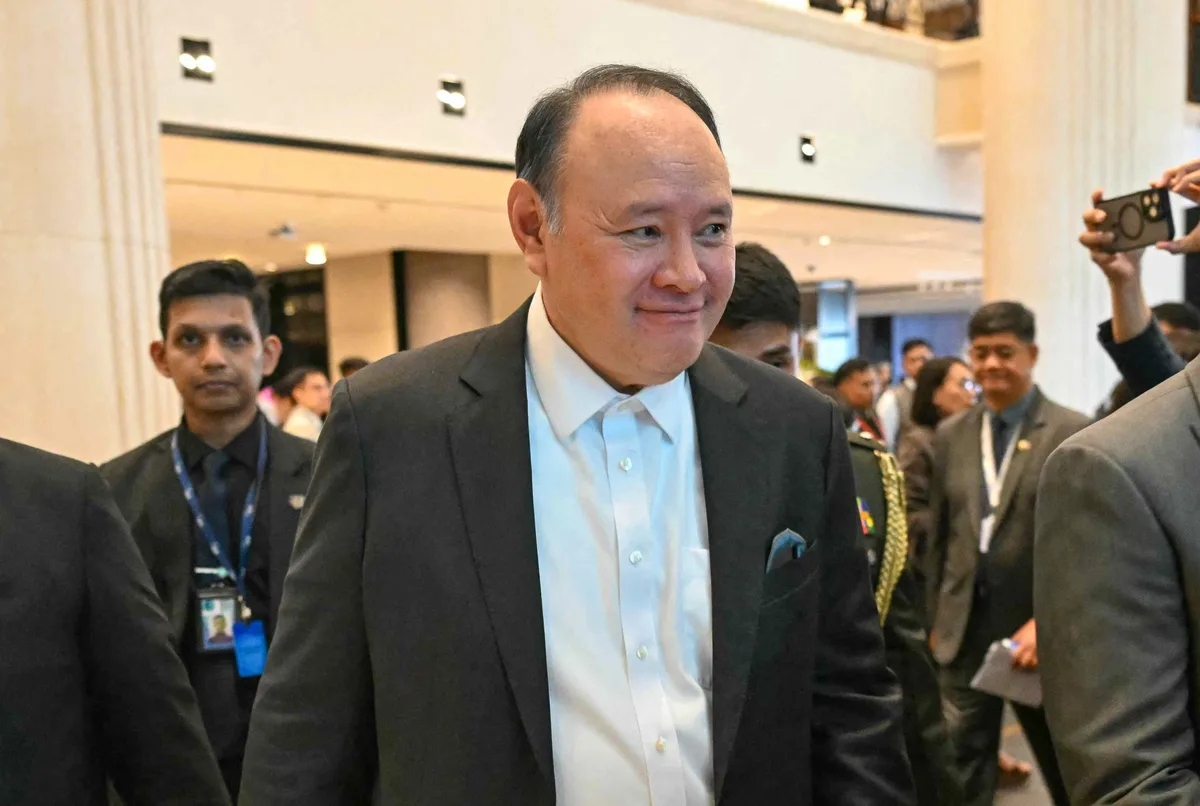
China sanctioned Philippine Defence Secretary Gilberto Teodoro Jr. and his immediate family on June 11, barring them from entering mainland China, Hong Kong, and Macau, and prohibiting Chinese organizations and individuals from any cooperation or transactions with them [1, 2, 3, 4, 5, 6, 7, 8]. Beijing accused Teodoro of making repeated “erroneous,” “irresponsible,” and “fallacious” remarks that harm China’s legitimate interests and damage China-Philippines relations [1, 2, 3, 4, 5, 6, 7, 8].
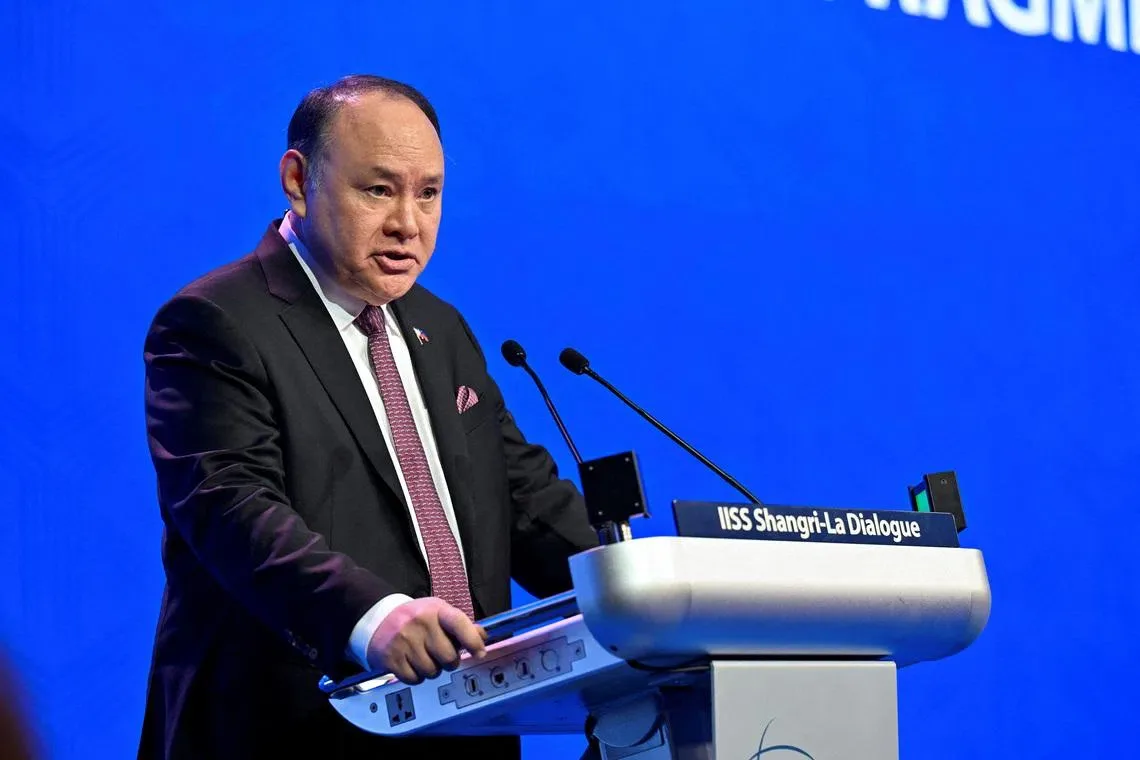
The sanctions came after Teodoro’s criticism of China’s actions in the contested South China Sea during a Singapore summit in May 2026, where he said Manila “will not sacrifice our territorial integrity and sovereignty” [2, 3, 4, 5, 7, 8]. China claims nearly the entire South China Sea, despite an international ruling rejecting those claims, heightening tensions frequently with the Philippines [2, 3, 4, 5, 7, 8].
Beijing’s Foreign Ministry spokeswoman Mao Ning said Teodoro “is known to vilify China” and accused him of caring only for selfish political gains and performing “political theatrics even when people’s well-being is at stake” [2]. She urged the Philippines to consider the consequences of his actions [2, 3, 4, 5, 6, 7, 8].
Teodoro responded defiantly on June 12, saying, “I will just keep doing my duty and uphold our nation in the face of the wickedness they are committing here and even in our seas” and added, “That is truly what they do to those who speak the truth against their deception” [5, 6]. He also noted he had no assets or plans to visit China, despite acknowledging the food and people are good, overshadowed by its government’s conduct [7].
Teodoro is the highest-ranking Philippine official sanctioned by Beijing to date [6]. The sanctions come as the Philippines seeks closer ties with Taiwan and has started maritime border talks with Japan, adding stress to China-Philippines relations [6].