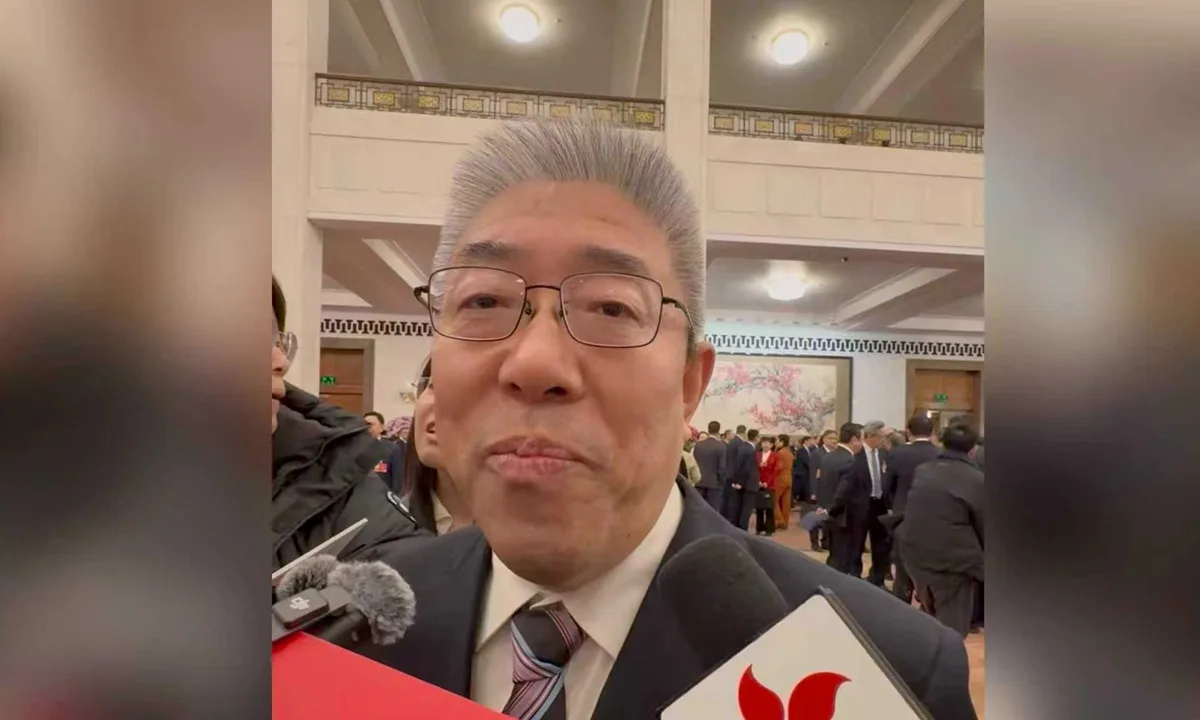
Zhang Yi, a deputy to the National People's Congress and academic from the Chinese Academy of Social Sciences, said domestic demand can be boosted only by linking "consumption capacity" with "time available for consumption" [1]. He called for introducing spring and autumn holidays for primary and secondary students in areas where conditions permit, alongside staggered paid leave for workers, to unlock more time for spending [1].
The proposal came in an interview with the Global Times on Monday during China's annual "two sessions" in Beijing, where the government work report and draft outline of the 15th Five-Year Plan (2026-2030) emphasize expanding domestic consumption as a key growth driver [1]. According to the government work report, China aims to remove excessive restrictions on consumption and unleash spending potential in culture, tourism, sports, and healthcare sectors [1].
Zhang said, "by combining the spring and autumn breaks with workers' paid leave," consumer demand could be more effectively stimulated than by focusing on capacity alone [1]. Netizens have widely praised the proposal, though questions remain about how to design the breaks scientifically, implement staggered paid leave effectively, and coordinate holidays across families for maximum impact [1].
The 15th Five-Year Plan period from 2026 to 2030 reflects the shift in China's economic policy toward consumption-driven growth [1]. The government will continue examining how holiday scheduling and labor policies can best support this goal.
Officials and experts are expected to further discuss the framework and timeline for introducing these new school holidays and staggered leave systems as part of efforts to boost domestic demand and reshape China's consumption patterns in the coming years [1].