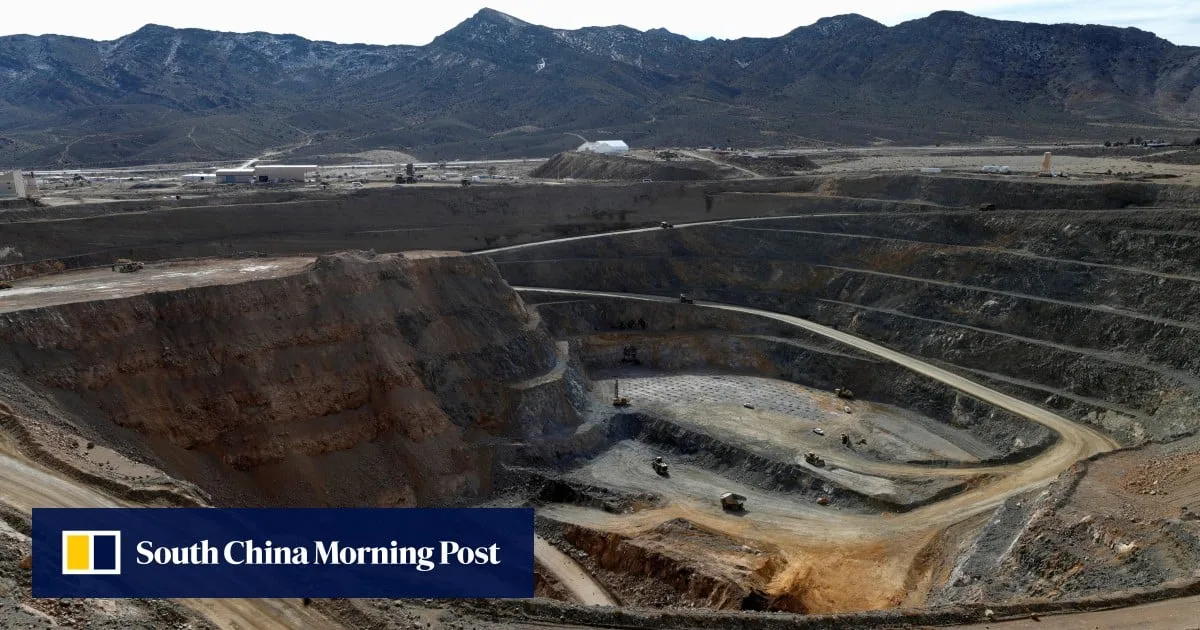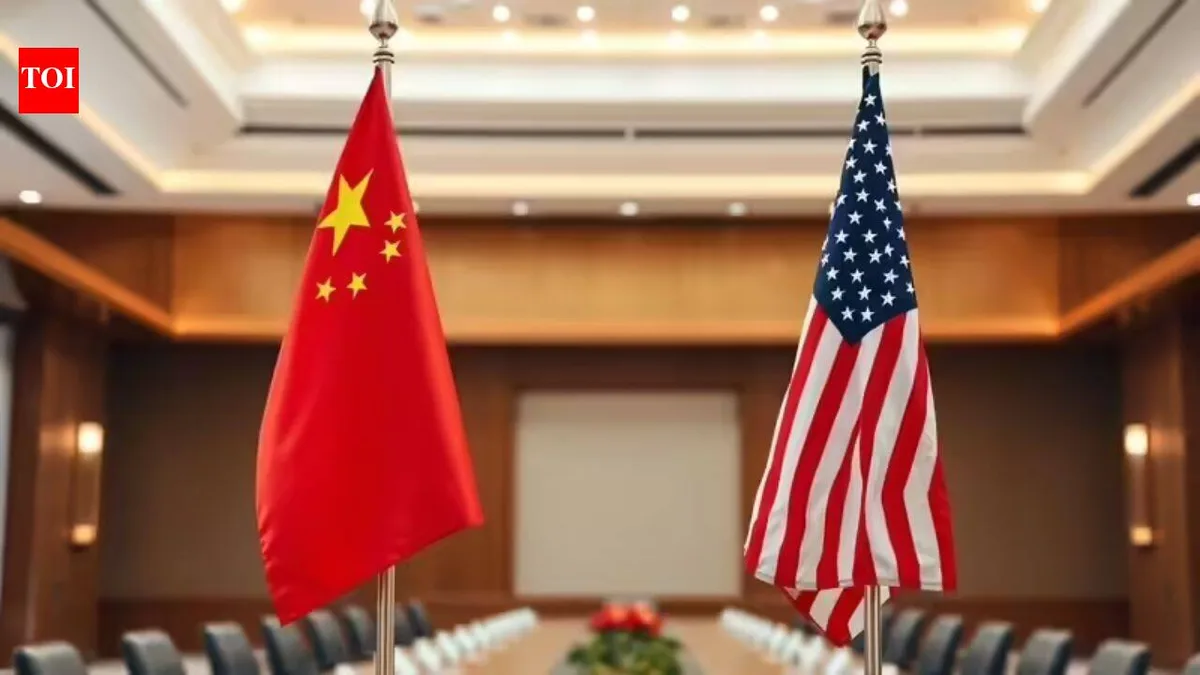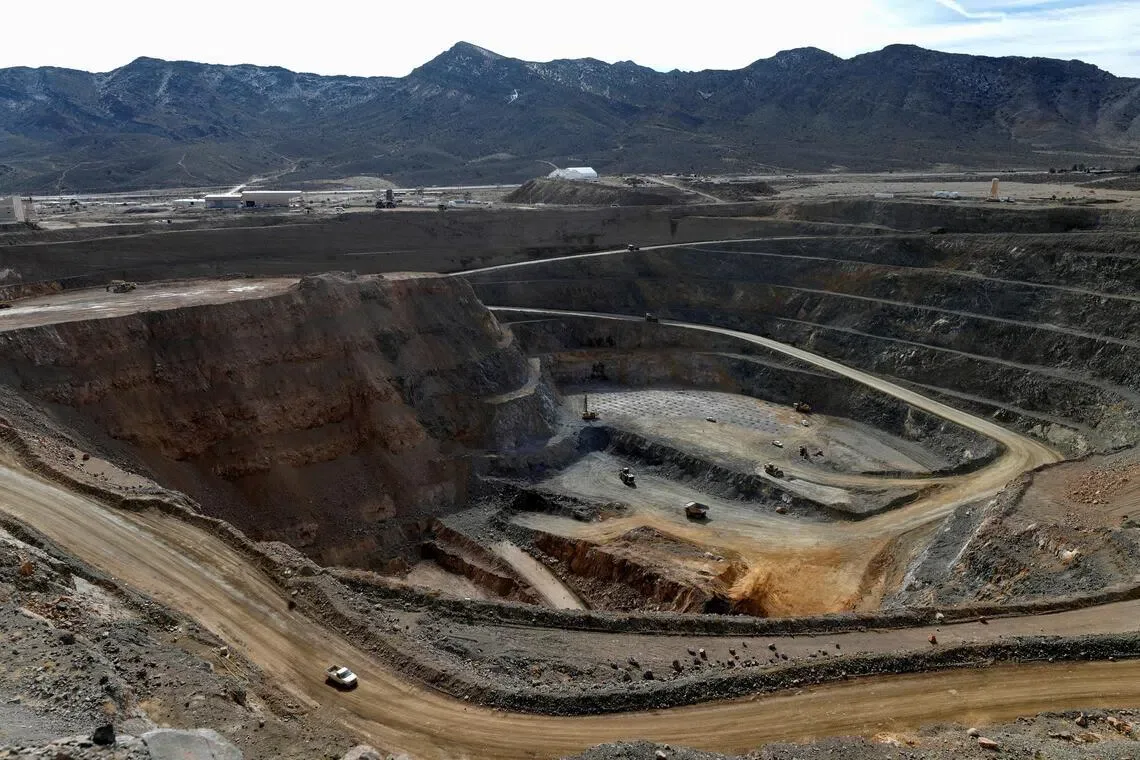
China imposed export controls on 10 American companies, including rare earth producers MP Materials and USA Rare Earth, and defense-related firms such as Oshkosh Defense, Ball Aerospace, IMSAR, L3Harris Maritime Services, Red Cat Holdings, and Teal Drones on June 22, 2026. These controls restrict exports of dual-use items and apply globally to all entities transferring China-origin goods to the targeted US firms [1, 2, 3, 4, 5, 6, 7, 8].
At the same time, China banned 46 US companies from government procurement. This list includes subsidiaries of major defense contractors such as Lockheed Martin, General Dynamics, Raytheon, Boeing, and General Atomics. Chinese government agencies may not buy products from these firms, although companies with US investments operating in China are exempt [1, 2, 3, 6, 7, 8].
The Chinese Ministry of Commerce said the measures were to safeguard national security and respond to the US adding dozens of Chinese companies—including tech giants Alibaba, Baidu, and BYD—to a Pentagon blacklist designating them as military-linked. A ministry spokesperson said, "The measures were intended to safeguard national interests and respond directly to the addition of dozens of Chinese entities, including tech giants Alibaba and Baidu, to a list of companies that Washington says support China’s military" [1, 3, 4, 6, 7, 8].
The US Pentagon expanded its blacklist earlier in June to include about 80 Chinese companies labeled as linked to China’s military, covering civilian tech sectors such as electric vehicles, robotics, and AI [1, 2, 3, 6, 7, 8]. Baidu denied the military company claim, calling it "totally baseless" [6].
Analysts view China’s action as calibrated retaliation focused on the rare earth minerals sector, a strategic pressure point in US-China technology and security competition. Wendy Cutler, Senior Vice-President at Asia Society Policy Institute, said Beijing’s restrictions "underscore how fragile the bilateral truce is" [1, 2, 3, 4, 7, 8].
Chinese authorities also stressed the export controls fulfill international obligations such as non-proliferation. A Commerce Ministry statement said, "The export ban had been issued to safeguard national security and interests and fulfil international obligations such as non-proliferation" [7].
The sanctions cover drone manufacturers (Red Cat Holdings and Teal Drones), aerospace firms, synthetic aperture radar, and shipbuilding companies [1, 6, 7, 8].
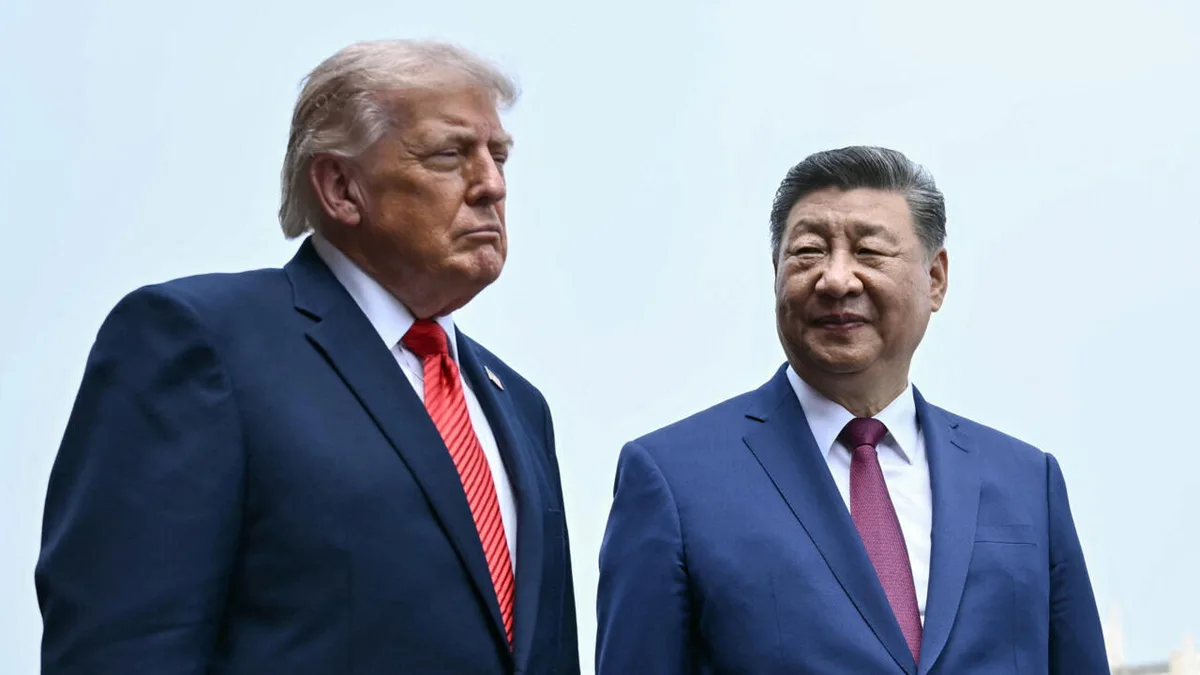
The US and China sought to stabilize their relationship in May 2026 when Presidents Donald Trump and Xi Jinping met in Beijing and agreed on a framework for improved ties [1, 4, 8]. The Chinese export controls and procurement bans followed the Pentagon’s recent blacklist expansion and mark a new phase in the technology and security rivalry.
China’s export controls and procurement bans took effect on June 22, and further bilateral responses are expected as tensions continue.