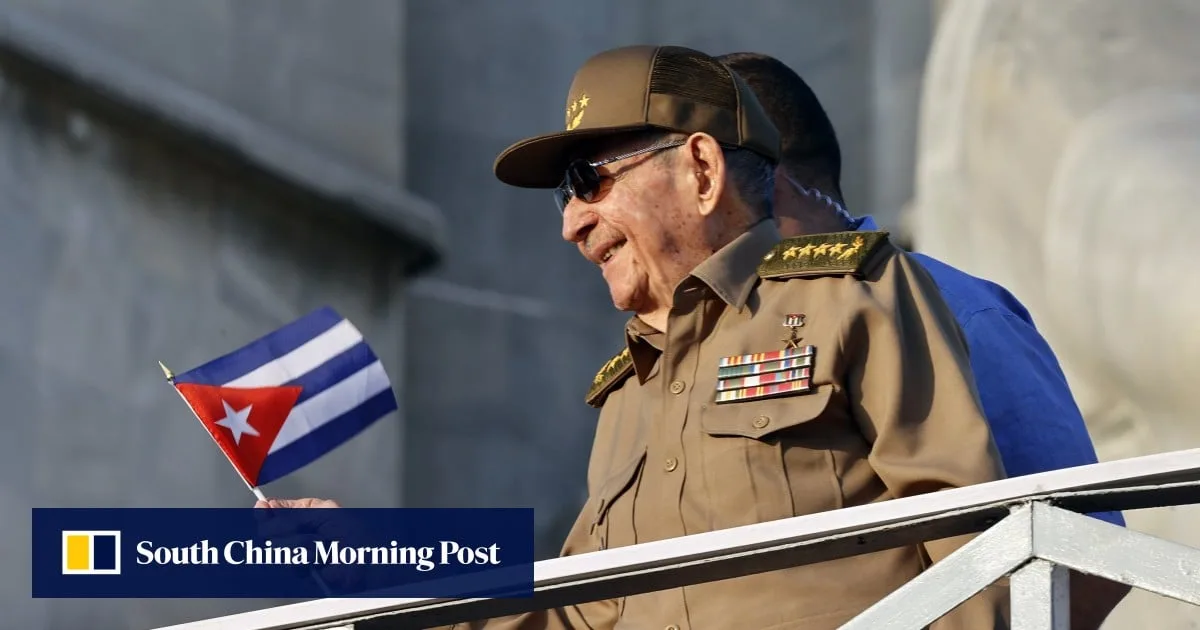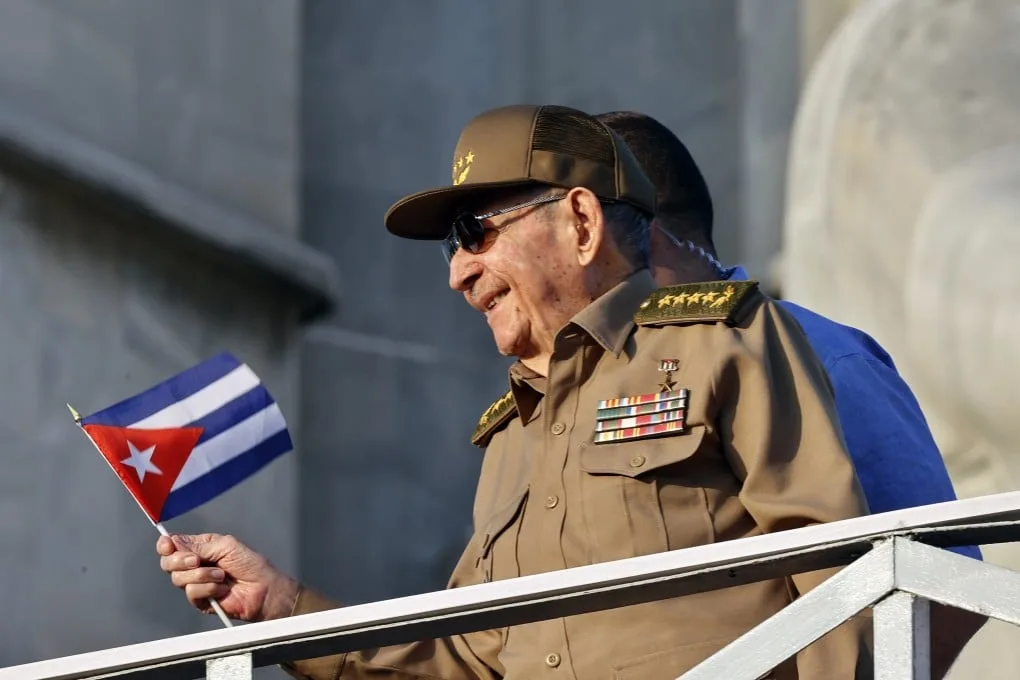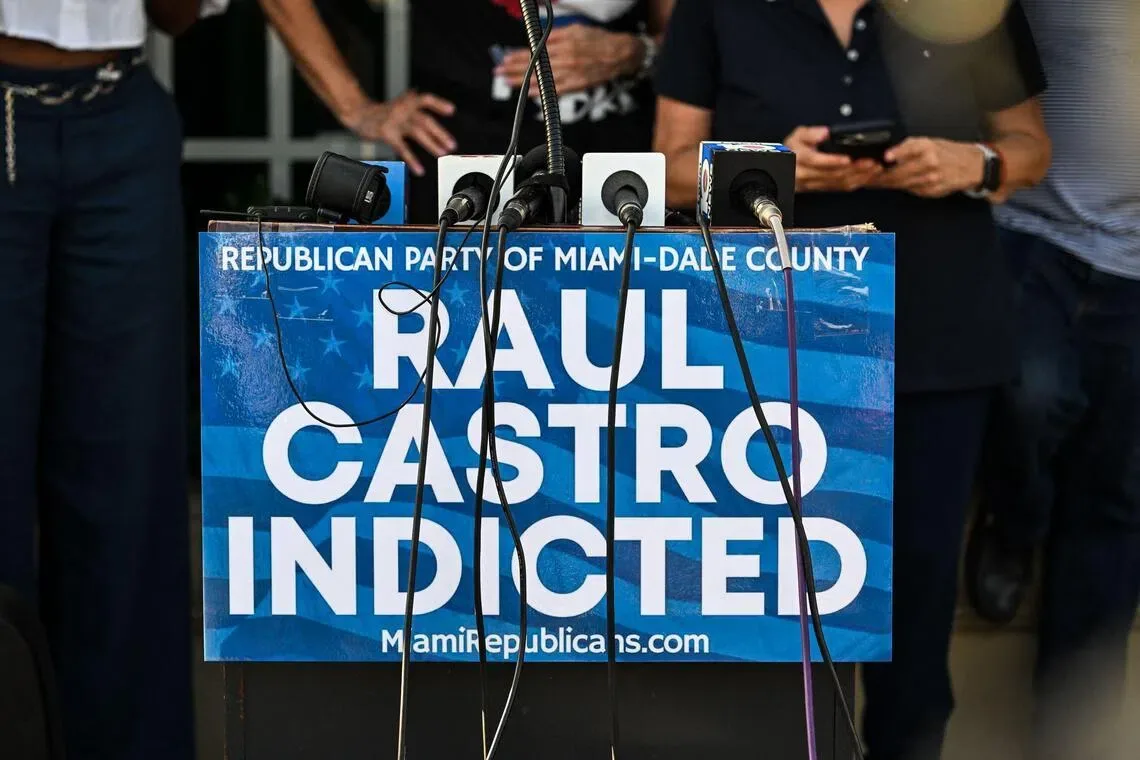
The United States indicted former Cuban leader Raul Castro and five Cuban military pilots on May 20 over the 1996 downing of two civilian planes, killing four people, including three Americans [1, 2]. At the time of the incident, Castro, now 94, was head of Cuba's armed forces [1, 2]. The planes were flown by Miami-based Cuban exiles known as Brothers to the Rescue [1, 2].
Chinese foreign ministry spokesman Guo Jiakun condemned the US actions the following day, calling them illegal and unauthorized. He said, "The United States needs to stop wielding the big stick of sanctions and judicial measures against Cuba, and stop threatening Cuba with force at every turn. China firmly supports Cuba in safeguarding its national sovereignty and national dignity, and opposes external interference" [2].
The US has increased pressure on Cuba in recent months, including imposing an oil blockade that has contributed to a deepening economic crisis there [1, 2]. US President Donald Trump described the indictment as "a very big moment" on May 20 but downplayed prospects for further action against Cuba [1].
The charged Cuban pilots face accusations connected to the shootdown, which killed four people in total [2]. The US indictment reflects ongoing tensions between Washington and Havana decades after the incident.
China's public backing of Cuba's sovereignty contrasts with the US judicial and economic measures targeting the communist government, underscoring Beijing's opposition to external interference in the region [1, 2].