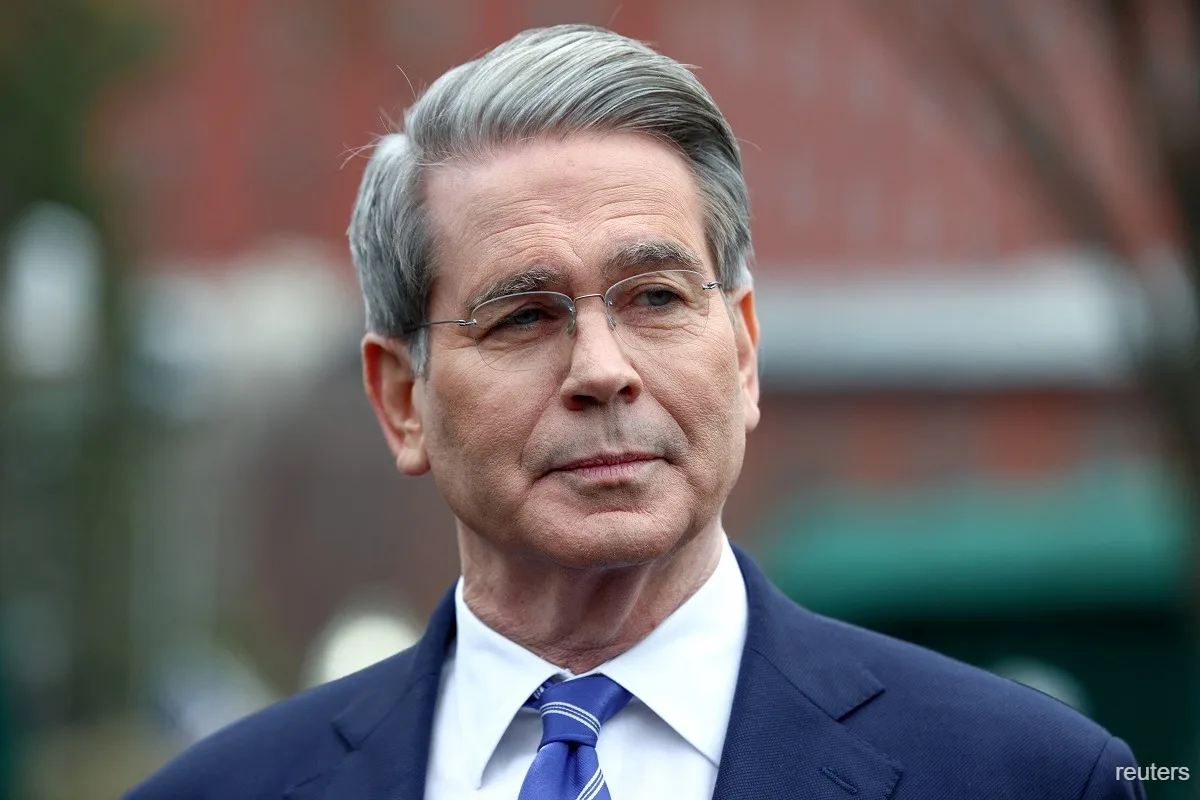
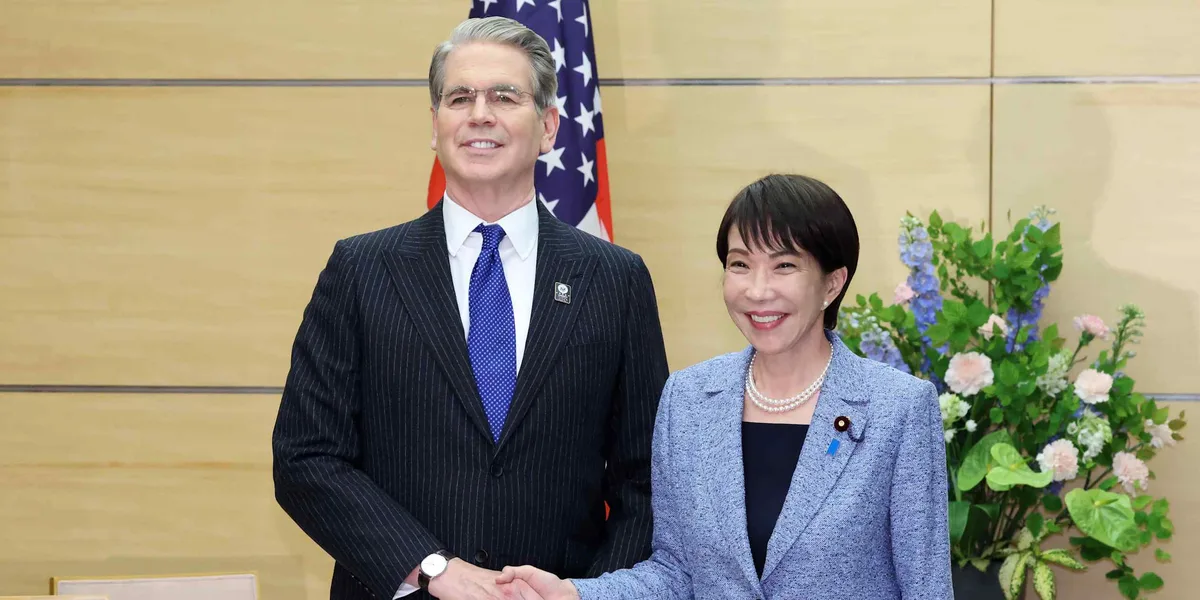
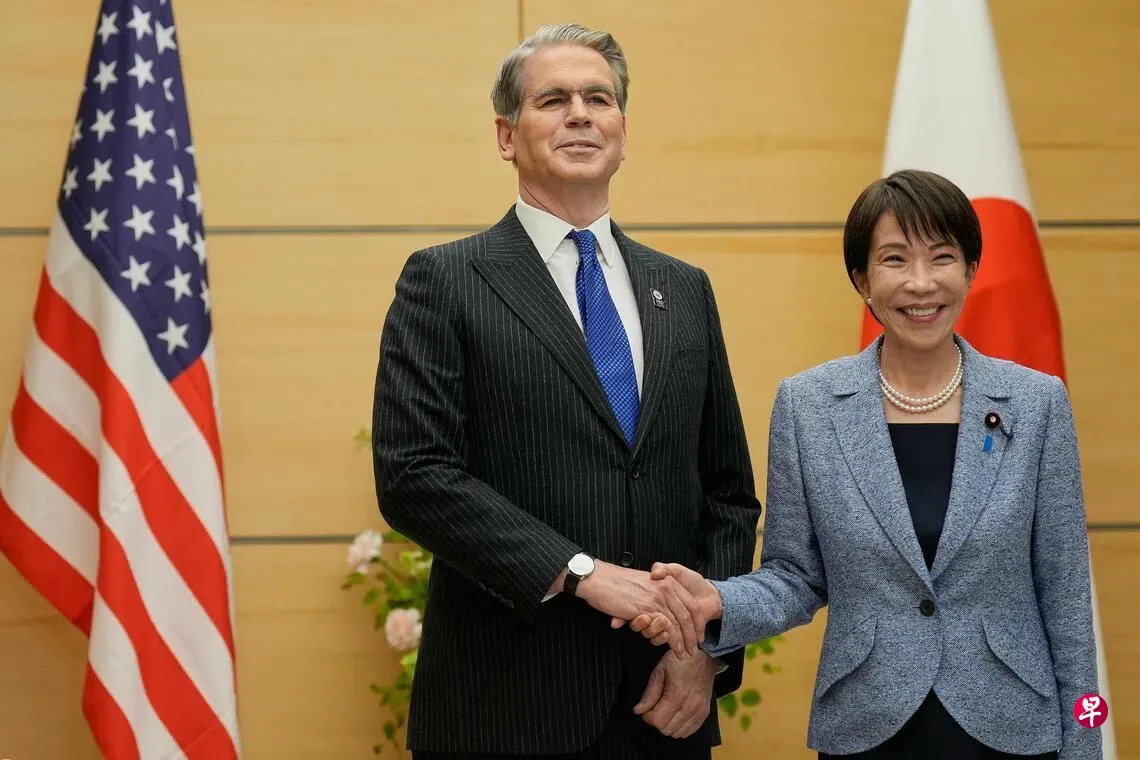
US Treasury Secretary Scott Bessent and Japanese Finance Minister Satsuki Katayama met in Tokyo on May 12, 2026, to reaffirm "constant and robust" coordination to address excessive volatility in currency markets [1, 2, 3, 4]. Katayama said, "We strongly confirmed anew the need to continue coordinating closely on market moves," while Bessent emphasized ongoing communication between their teams [1].
Japan conducted significant foreign exchange interventions in late April and early May 2026 to support the yen, spending nearly 10 trillion yen (about 806 billion SGD) [2, 3, 4]. Around April 30, Japan made a large-scale intervention estimated at about 5 trillion yen [2, 4]. The US broadly accepts these moves as aimed at reducing unwanted volatility [1, 4]. Bessent said, "We agree on close cooperation on FX policy and will continue high-level communications" [3].
On May 12, Bessent also met Japanese Prime Minister Sanae Takaichi to discuss US-China relations ahead of the US-China summit held on May 14, 2026 [5, 2, 6, 7]. Takaichi described their talks as receiving "a very detailed briefing" and pledged to maintain close communication with the US [8]. Bessent highlighted the importance of the US-Japan partnership, saying, "We talked about President Trump's visit to China and the importance of the US-Japan relationship, reaffirming our strong partnership" [2].
Ahead of the summit, Japan sought close coordination with the US to communicate its position on Taiwan and expressed worry about potential US concessions to China [6, 9, 7]. The two countries agreed to strengthen cooperation on critical mineral supply chains and address what Japan calls China’s unfair export restrictions. Katayama said, "China's measures on critical minerals are very harsh and unfair; the US will continue to raise concerns with Beijing" [2, 4, 6, 7].
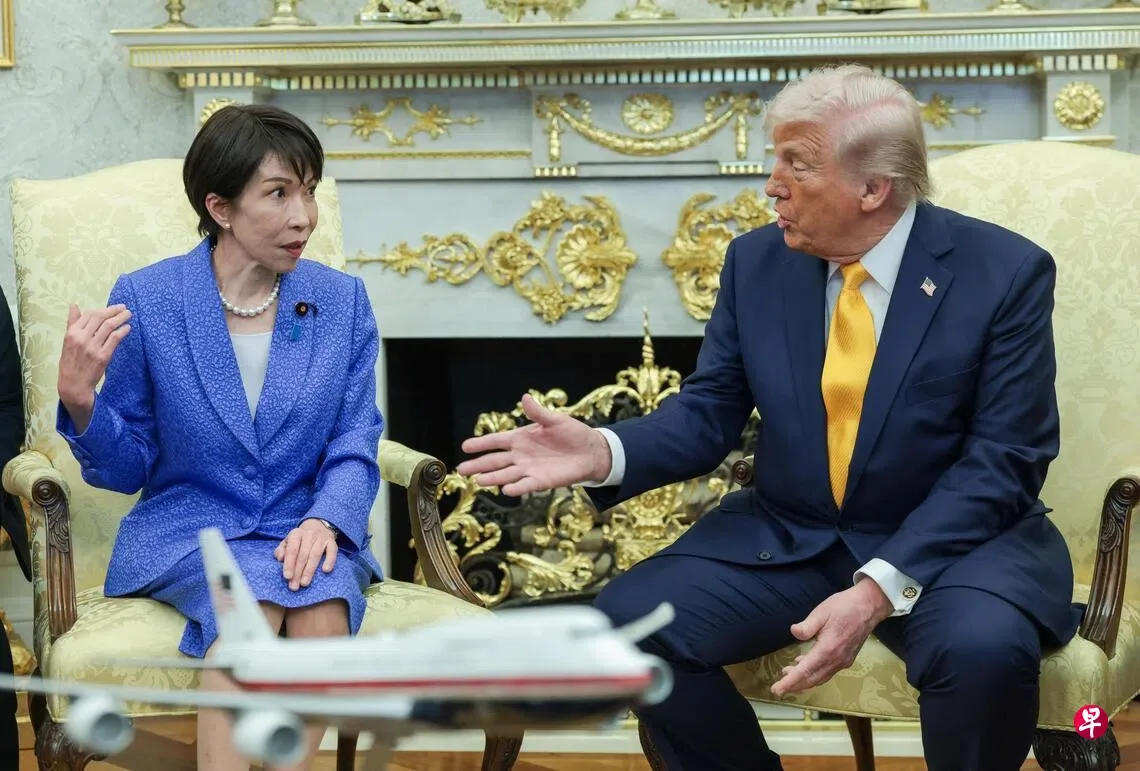
Bessent, a key advisor on US-China ties, visited Japan from May 11 to 13 before heading to South Korea and China for the summit [2, 4, 6, 7]. On May 15, Japanese Prime Minister Takaichi had a 15-minute phone call with US President Trump to exchange views on China, security, Taiwan, the Iran situation, and to reaffirm the US-Japan alliance [8, 10, 11]. Takaichi said, "(Trump) detailed his visit to China but stressed our conversation is confidential; we reaffirmed the unshakeable US-Japan alliance" [10].