South Korea held its ninth local elections on June 3, 2026, including local council and government head races plus by-elections for National Assembly seats [1, 2, 3, 4, 5]. In Seoul, 14 polling stations experienced ballot shortages—12 in Songpa District, one in Gangnam, and one in Gwangjin—forcing some voting suspensions and extended hours beyond 6 p.m. [2, 6, 7, 8, 9]. Nationwide, 50 polling stations had shortages, with 22 suspending voting temporarily, while emergency resupplies were delivered to 67 stations [2, 3, 8, 9].
The shortages stemmed from the Central Election Commission printing ballots only for about 50% to 73% of registered voters, based on lower past turnout and more early voting [1, 2, 3, 8, 9]. The commission had directed lower offices to prepare ballots covering at least half the voters, keeping reserves for reallocation [8, 9]. Despite budget plans to print ballots covering 110% of registered voters, reportedly only about half were printed [8, 9].
Roh Tae-yeol, chairman of the Central Election Commission, apologized publicly and resigned over the mishandling [1, 2, 3, 8, 9]. Seoul Central Election Commission Secretary-General Heo Cheol-hoon said the paper shortage caused "huge confusion and worry" and expressed deep regret for damaging trust in fair elections [6].
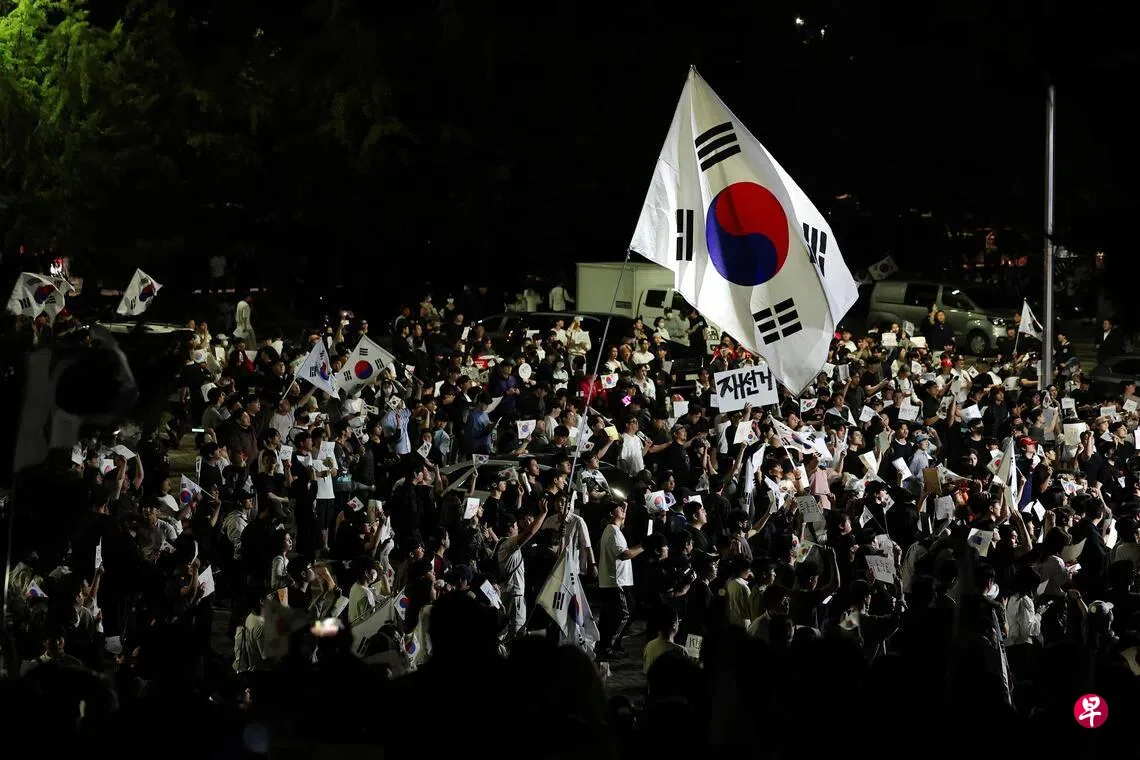
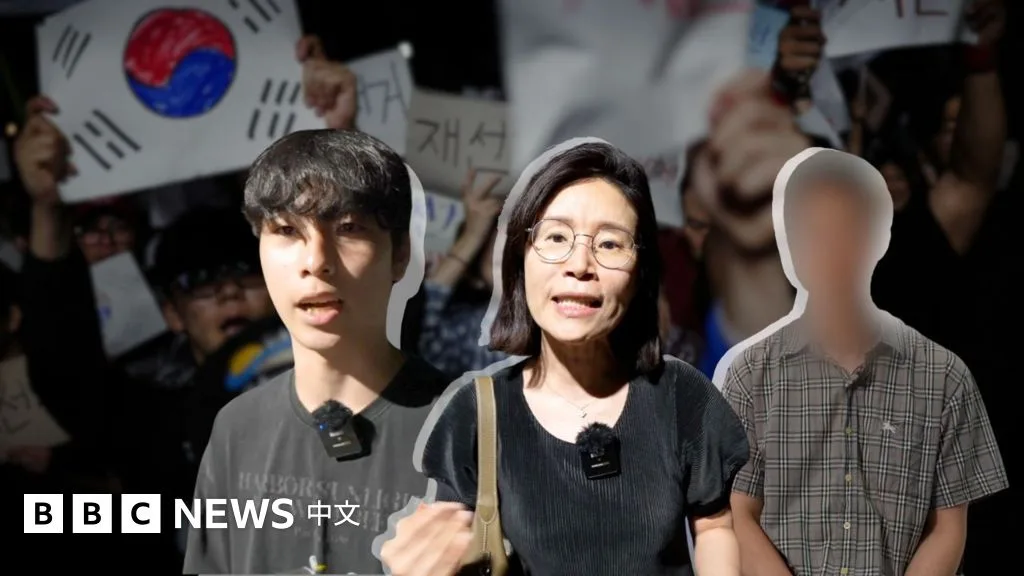
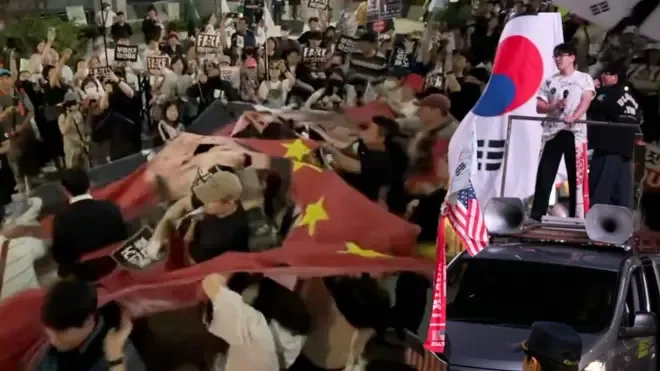
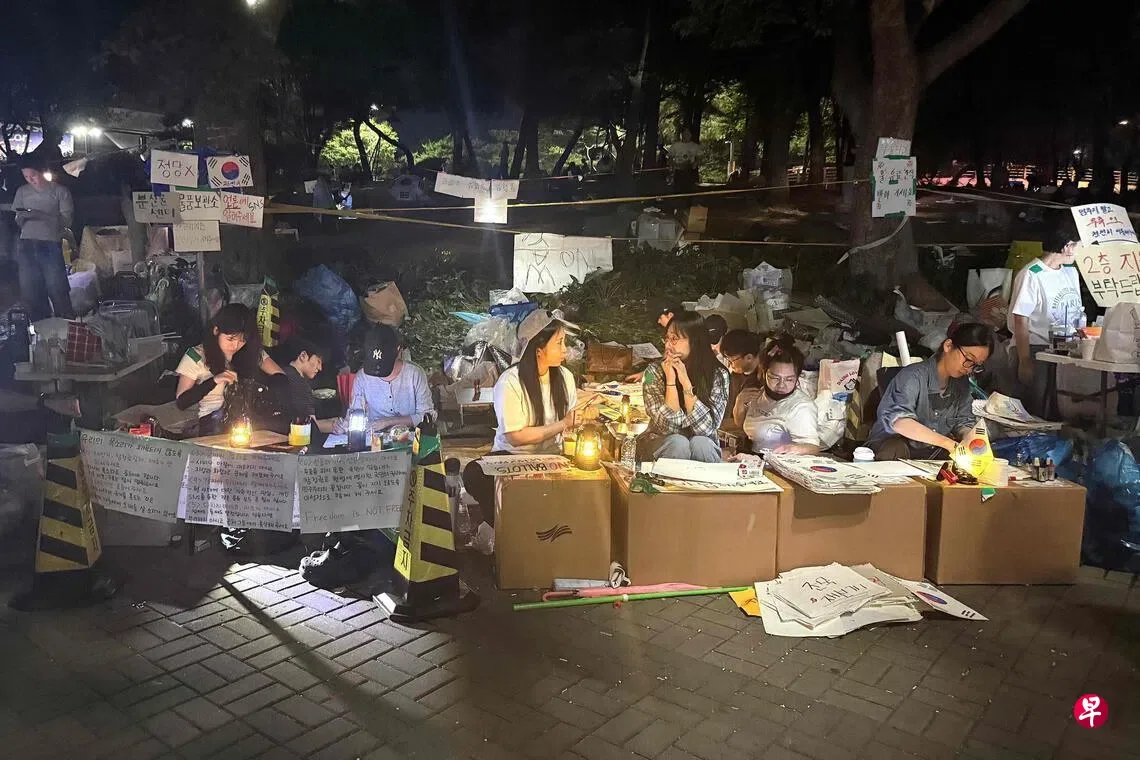
Protests erupted in Seoul starting June 6, with about 10,000 people gathering near the SK Olympic Handball Stadium chanting "Re-election, re-election" and demanding a full investigation [1, 2, 8]. Most protesters were youths in their 20s and 30s waving large Korean flags; volunteers distributed water, coffee, and chocolates [1, 2]. Confrontations with police occurred, including videos showing force against elderly protesters [1].
Several polling stations, including Chanam-dong 7-2 in Songpa, remained blocked by protesters for over 22 hours, causing hospital treatment for an election official due to health deterioration [10, 11, 12]. A protester said, "No matter political views, the inability to vote is an infringement of our rights in a free democracy" [1].
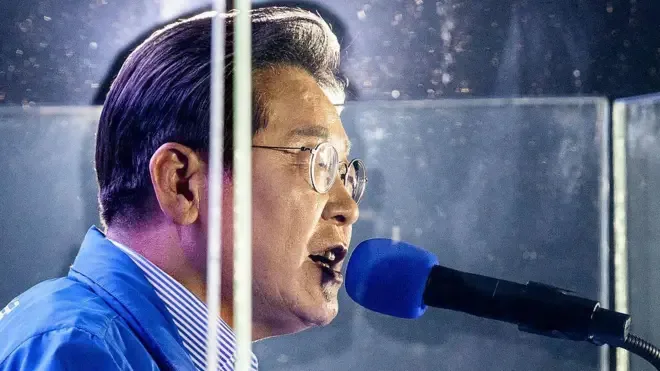
President Lee Jae-myung expressed "deep regret" calling it "a serious damage to the foundation of national sovereignty" and ordered a joint investigation by prosecutors and police [2, 3]. Mayor Oh Se-hoon, who won a historic fifth term after narrowly defeating ruling Democratic Party candidate Jung Won-woo by about 23,468 votes, condemned the shortages as "unforgivable" and an infringement on citizens' voting rights, demanding a special investigation and the election commission’s dissolution [5, 8, 9].
The controversy continues over whether the shortages justify a re-election; election officials argue they do not, while protesters and opposition politicians insist otherwise [3, 8, 9].
The joint investigation team is now underway following President Lee’s order on June 7 to clarify failings and hold responsible parties accountable [2].