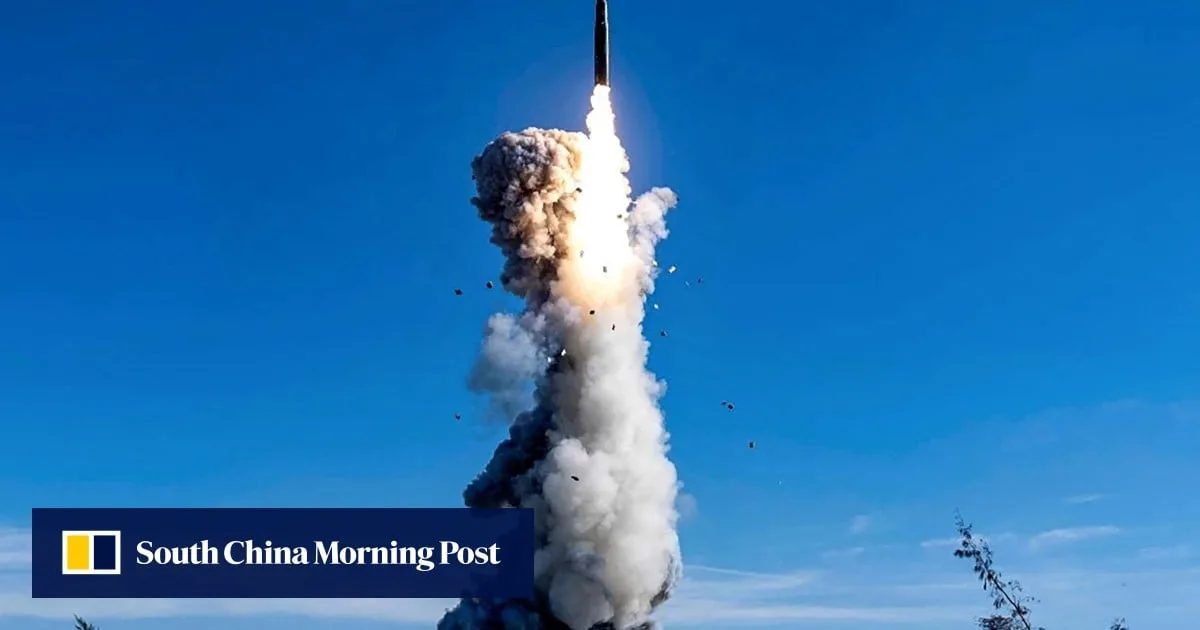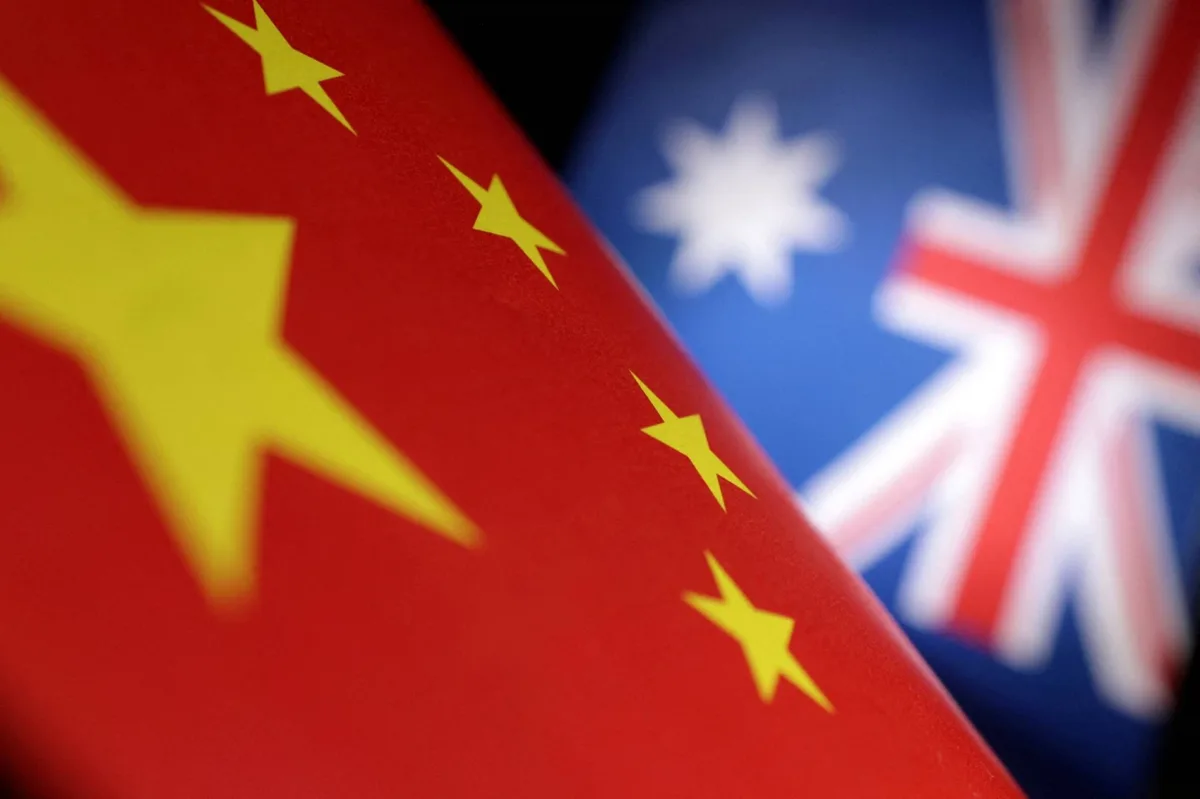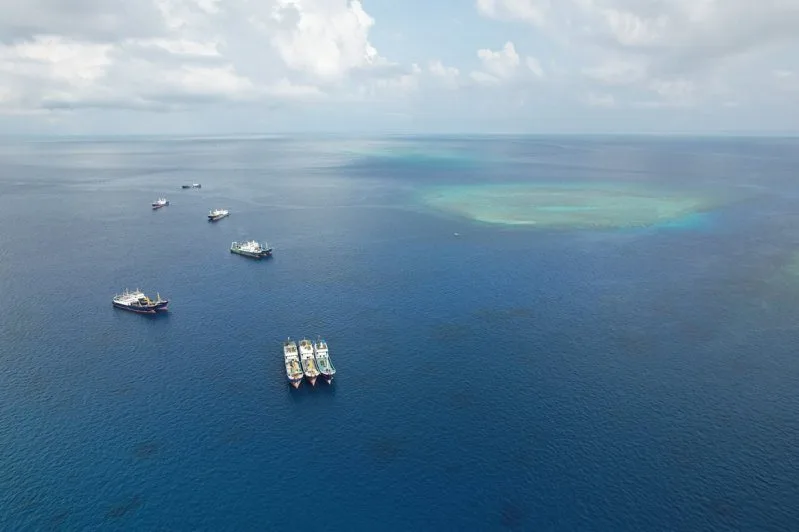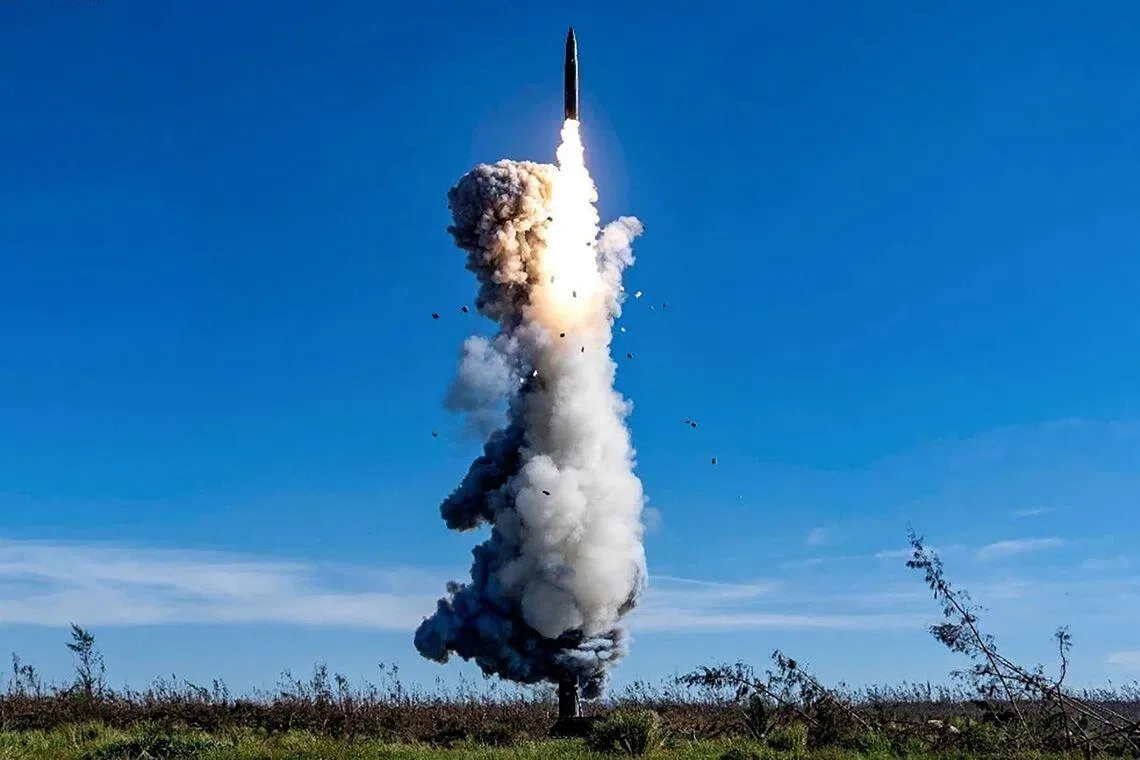
The Lowy Institute released a report on June 14 warning that China now has the capability to conduct direct missile strikes on mainland Australia, with the threat increasing as Beijing enhances its long-range and hypersonic weaponry and builds artificial islands in the South China Sea [1, 2, 3, 4, 5, 6]. The report highlights Chinese missiles launched from ships, submarines, and intermediate-range ballistic missiles (IRBMs) like the Dong Feng-27 (DF-27), which has a range between 5,000 and 8,000 kilometers according to December 2025 US military data [1, 2, 3, 4, 7, 5, 8, 9, 10, 6]. This puts much of Australia within reach of Chinese strikes.
The Dong Feng-26 (DF-26) missile stationed on China’s artificial islands could target northern Australia, further expanding Beijing’s strike envelope [1, 2, 4, 7, 5, 10, 6, 11]. The report says China’s strike capability will grow markedly over the next decade with more DF-27s and potentially conventionally armed intercontinental ballistic missiles entering service [1, 2, 3, 4, 7, 5, 8, 10, 6, 11]. It also warns that the threat would significantly escalate if China deploys crewed or drone long-range bombers or establishes military bases on Pacific islands near Australia [1, 2, 4, 7, 5, 10, 6, 11].
Despite the growing missile threat, the report identifies cyber attacks, severing of undersea communications cables, and maritime trade interdiction as the most immediate security risks to Australia [1, 7, 12, 8, 11]. Australia reshaped its military strategy around 2023 to focus on deterring threats approaching from the north, responding directly to China’s naval buildup and US-China tensions [1, 2, 4, 7, 8, 9]. It is also competing with China to strengthen security ties with South Pacific nations to prevent the establishment of Chinese military bases [1, 4, 12, 10].
The Lowy report assesses China’s military capabilities but does not claim China intends to attack Australia directly [1, 2, 3, 4, 5, 10, 6, 11]. Australian Prime Minister Anthony Albanese’s government has been cautious about publicly discussing the possibility of a direct Chinese strike on the mainland [1, 2, 4, 10]. Sam Roggeveen, director of the Lowy Institute’s International Security Program, described China’s military growth as "the most important thing to happen to Australian security since the collapse of the Soviet Union" and called for a "more informed Australian discussion about it" [1, 2, 5, 10, 6, 11].
China’s Foreign Ministry condemned the report on June 15, calling it a "serious strategic misjudgment" and accusing it of hyping a "China threat." Spokesperson Lin Jian said, "China’s military growth represents the growth of the world’s peace-loving forces. China develops military power to safeguard its sovereignty, security, and development interests and does not target any country" [8, 9].
China’s military modernization also includes production of heavy bombers, fifth-generation fighters, and testing of sixth-generation fighters, while its nuclear arsenal is projected to triple by 2035 [11]. Its naval fleet is the world’s largest by vessel count and second-largest by tonnage, with shipbuilding capacity estimated over 200 times that of the US [11]. The report stresses these developments structurally challenge Australia’s security even if China has no intention of direct attack [8, 11].
Australia faces an annual trade dependency on sea routes valued at 650 billion AUD and spends 2.4% of its GDP on defense [11]. Publicly, 69% of Australians perceive China as a military threat within the next 20 years [11].
The Lowy Institute’s report has sparked a debate on how Australia should address the expanding Chinese military capabilities in its region. The next key development will come as Australia continues to engage with South Pacific nations to counterbalance China’s influence and updates its defense posture in response to the shifting strategic environment.