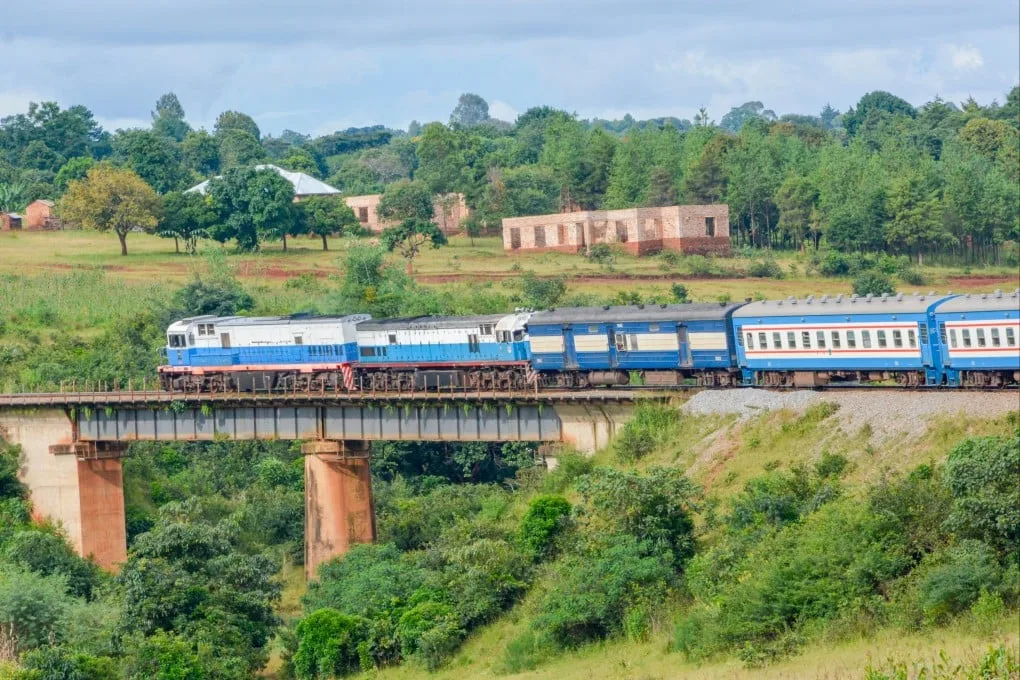
The Lobito Corridor is planned as a 1,600-kilometer transport route stretching west through Zambia and the Democratic Republic of Congo to the Atlantic port of Lobito in Angola, aiming to enhance regional economic ties [1]. African governments involved in the project have made clear their focus remains on building seamless transcontinental infrastructure rather than engaging in geopolitical competition between the United States and China [1].
Officials based in Luanda, Kinshasa, and Lusaka are pursuing what they call "interoperability" to connect the Atlantic port of Lobito all the way to the Indian Ocean through Dar es Salaam and Mozambican ports, aiming to link multiple trade corridors in a unified system [1]. Kafuta Mulemba, speaking in Nairobi at a summit on African infrastructure in late April, said the agency overseeing the corridor "would keep prioritising the economic ambitions of its member states" despite global powers vying for influence in the region [1].
This approach centers on strengthening Africa’s internal connectivity and economic integration, according to officials, rather than aligning the corridor with any outside power bloc [1]. The project’s scale and ambition highlight a continental effort to develop efficient transport routes spanning multiple countries and coasts.
Construction and operational plans are advancing with cooperation among the involved governments in Angola, DRC, and Zambia. The project is seen as critical for facilitating trade and improving access to ocean ports at both the Atlantic and Indian Oceans [1].
Officials intend to maintain this focus as work continues on interoperability and infrastructure upgrades. The next milestone is expected with further progress discussions and cooperation agreements among member states later this year, aiming to align standards and operations across the corridor [1].