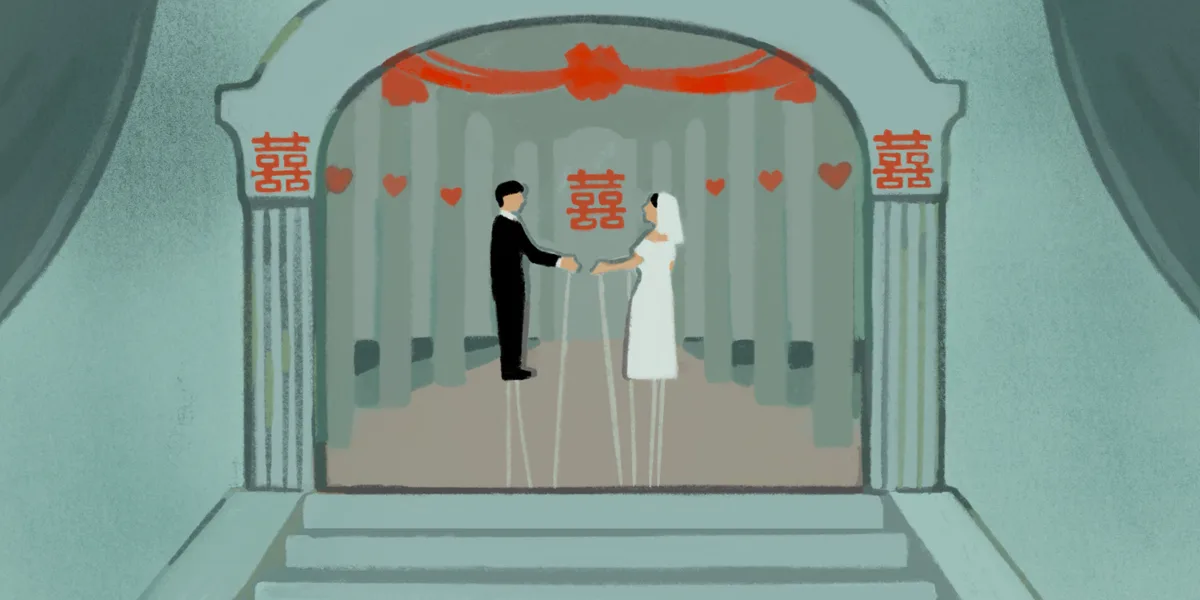
The average age of couples marrying for the first time in China rose from 24.9 years in 2010 to 28.7 years in 2020, reflecting a clear delay in first marriages [1].
Alongside this, young Chinese are redefining attitudes toward love and intimate relationships. Many now see long-term relationships as sources of both risk and security. Fears include partner infidelity, addiction, family interference, or emotional manipulation [1].
Popular culture in China has moved away from romanticizing whirlwind romances. Instead, depictions focus more on careful calculation of emotional value and compatibility of attachment styles between partners [1]. Social media platforms warn users against being blinded by "love brain" and often advise avoiding marriage altogether [1].
Surveys reveal growing willingness among young Chinese to marry without love. In 2001, just 11.6% of men and 8% of women said they would marry without love. By 2023, those figures more than doubled to 25.5% of men and 23.6% of women [1].
Love itself is increasingly viewed as a temporary psychological state rather than an emotion tied to stable social institutions like marriage. Instead, the legitimacy of relationships is judged more by how well they satisfy individual psychological needs than by passion or long-term commitment [1].
The trend marks a shift from traditional views that prioritized marriage as the culmination of romantic love. Younger generations often prioritize personal compatibility and emotional security over societal expectations.
As of 2023, China has no reported policy changes aimed at reversing this trend. Observers expect these shifting attitudes to continue influencing marriage patterns and family structures in the coming years [1].