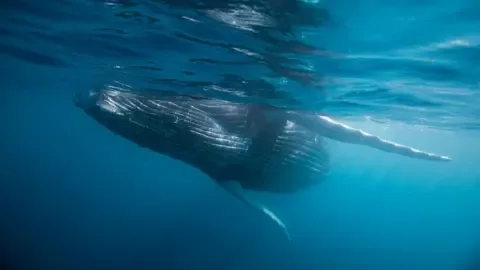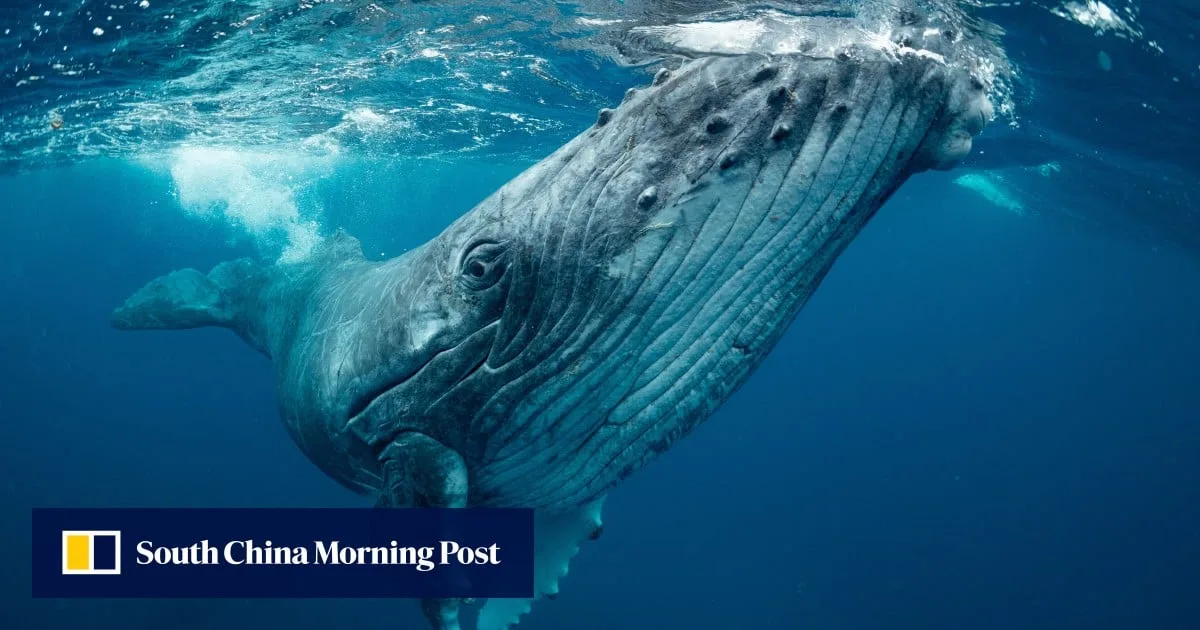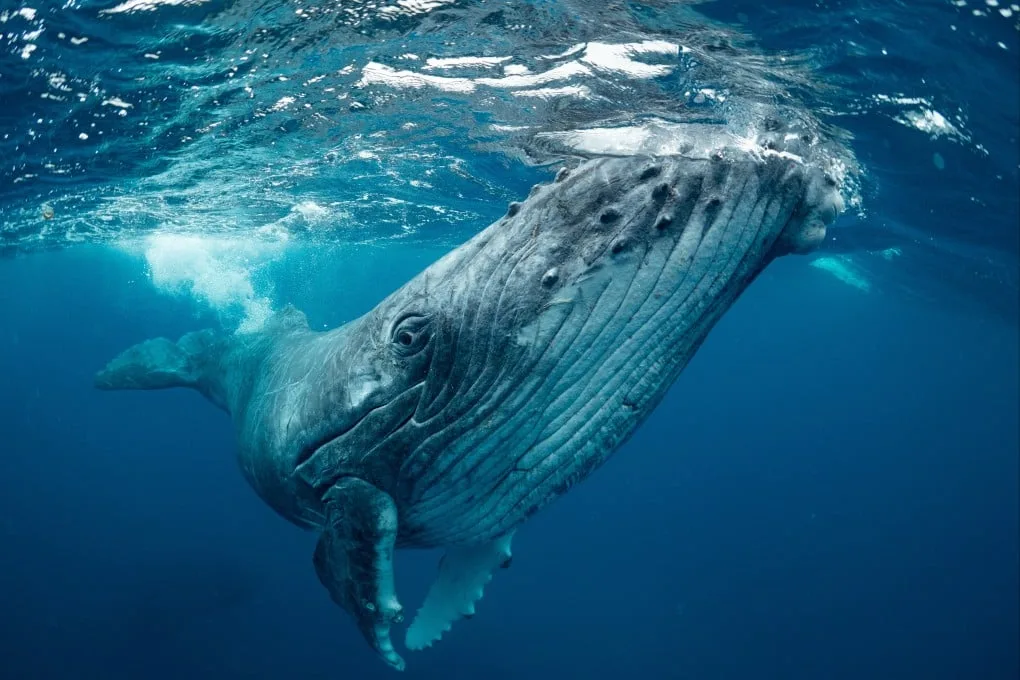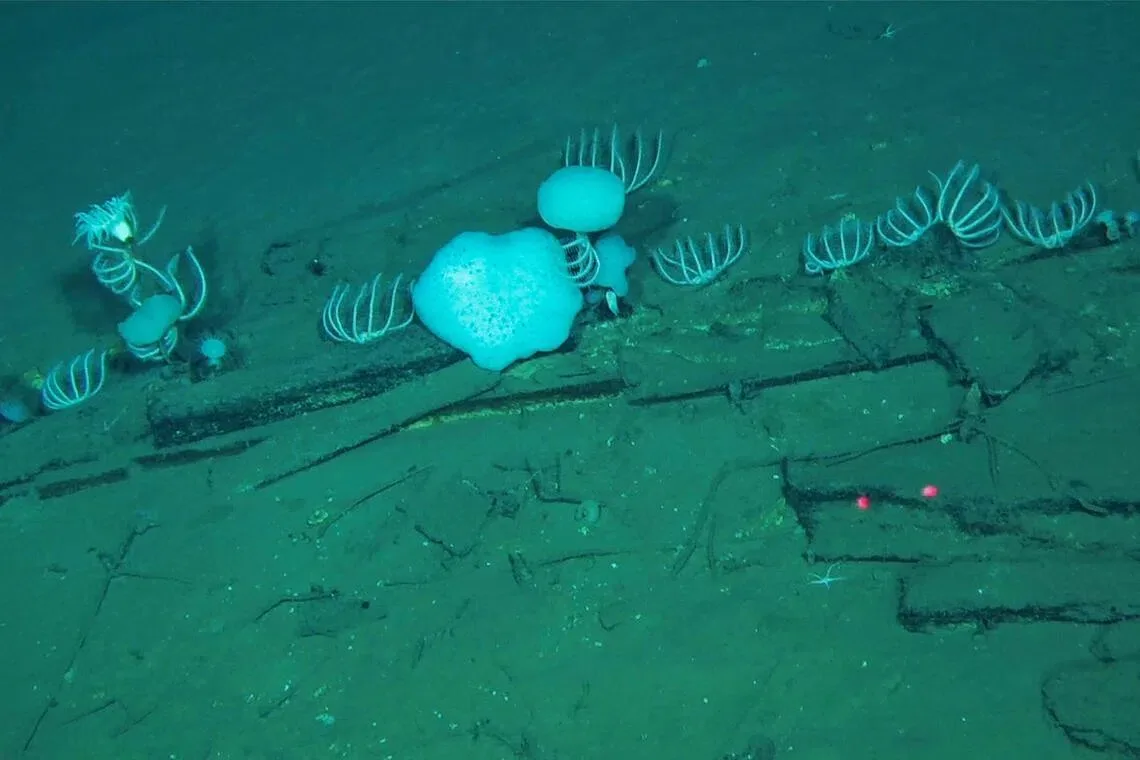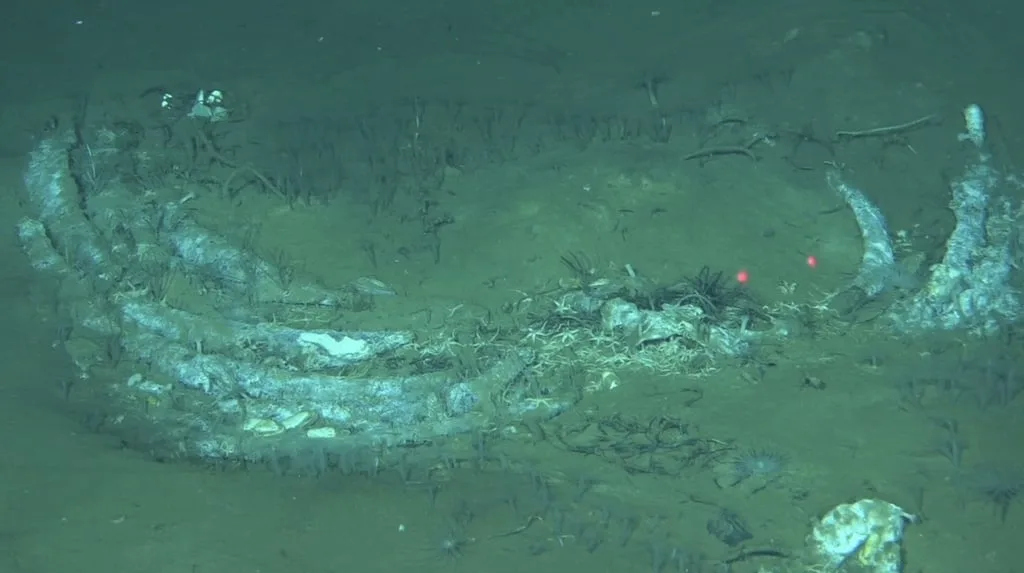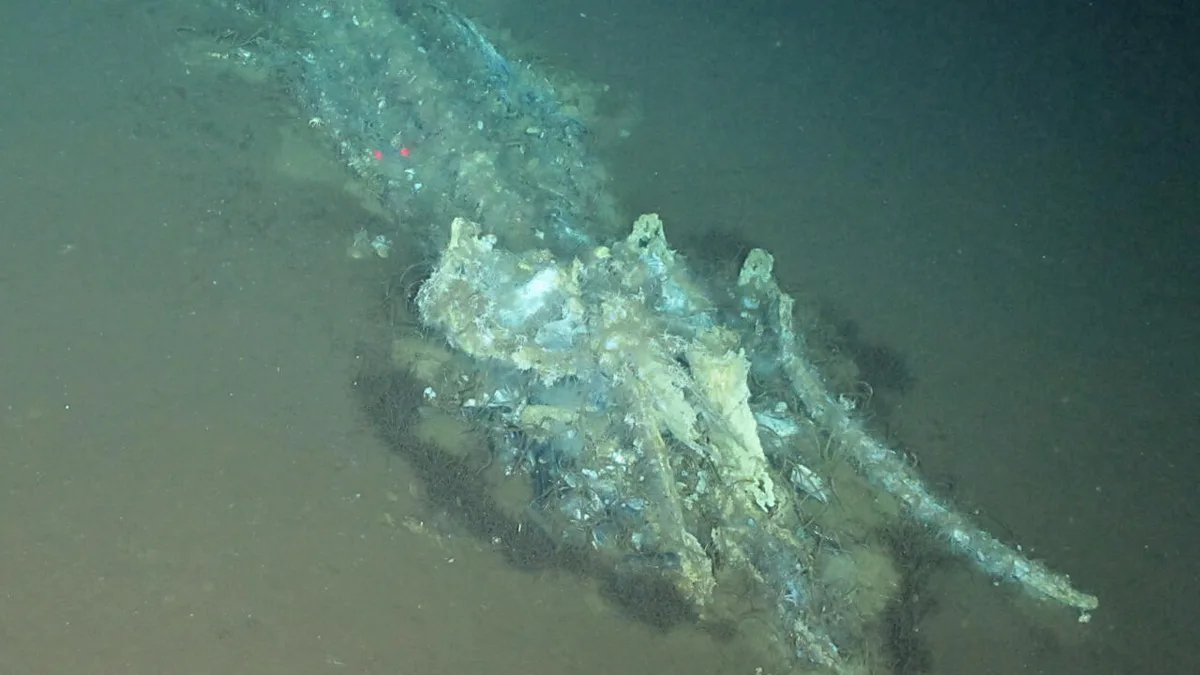
Scientists led by a Chinese team uncovered a whale graveyard stretching 1,200 kilometers and reaching 7,000 meters deep in the Diamantina fracture zone in the southeastern Indian Ocean [1, 2, 3, 4, 5]. The site contains about 500 whale skeletons and carcasses, some dating back approximately 5.3 million years, making it the oldest known whale fossil site of its kind [1, 2, 3, 4, 5].
The discovery was published on June 10, 2026, in the journal Nature after 32 manned dives in 2023 using the Chinese submersible Fendouzhe, which collected fossil samples and studied the site [2, 3, 4, 5]. Xiaotong Peng, a lead scientist on the expedition, said, "Discovering a necropolis of this scale was completely unexpected: the size of distribution, the depth and the age range were far beyond anything we had imagined" [1]. Peng also emphasized the enormity, stating, "We were astonished when the scale of our discovery became clear" [2].
From the fossil remains, researchers identified a new extinct whale species, Pterocetus diamantinae [1]. The whale falls—whale carcasses sinking to the seafloor—support a vibrant deep-sea ecosystem with jellyfish, worms, snails, crustaceans, brittle stars, and bivalves, many potentially new to science [1, 2, 3, 4, 5]. Expedition member Peng Zhou called the experience "truly incredible" and highlighted the ecosystem's vibrancy, offering a "completely different perspective on this otherwise dark and cold ocean floor" [3].
Scientists estimate the Diamantina zone may contain more than 10 million whale carcasses, contributing roughly 6.7 million tonnes of carbon sequestered in organic matter from the whale remains [2, 3, 5]. Xiaotong Peng explained, "The soft tissue and lipids inside that many carcasses translate to roughly 6.7 million tonnes of sequestered carbon" [2].
The site is recognized as the deepest, oldest, and largest whale graveyard on Earth, reshaping knowledge of whale-fall ecosystems and deep-sea fossil archives that help trace cetacean evolution [1, 2, 3, 6, 4, 5]. The research marks a major step in understanding these unique deep-ocean environments.