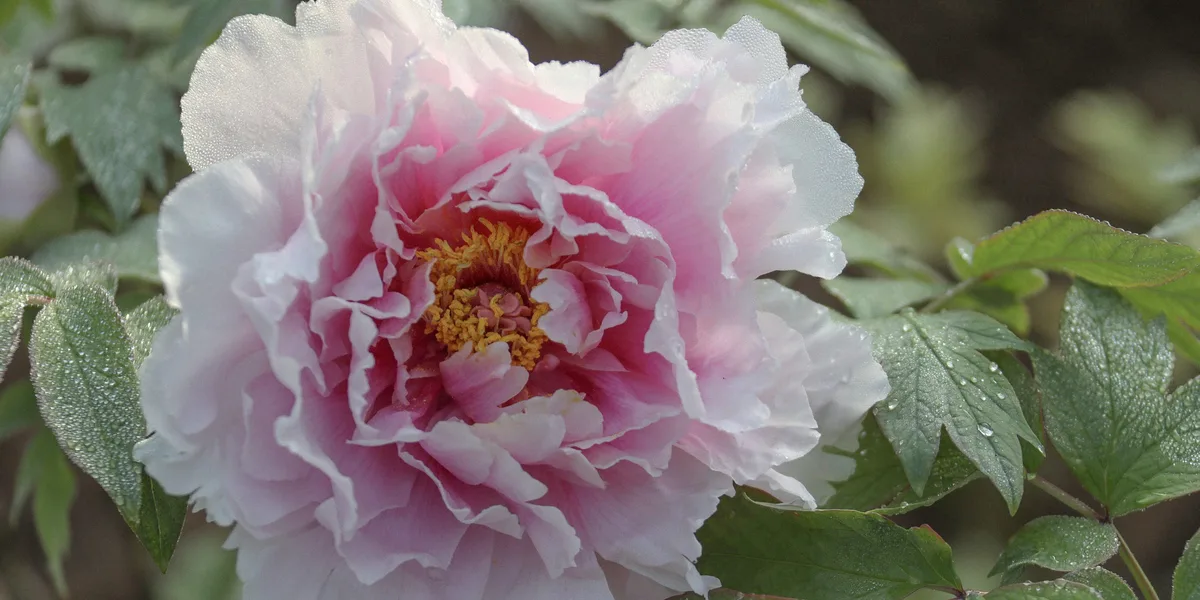
The peony, known as mudan in Chinese, blooms annually around the solar term guyu, roughly April 20, and holds a deep cultural connection to the city of Luoyang in Henan province [1]. Ancient folklore says that during the Tang dynasty, Empress Wu Zetian commanded all flowers to bloom simultaneously, but the peony defied the order and was exiled to Luoyang [1]. There, the mudan thrived and came to be called huawang, meaning "King of Flowers," symbolizing resilience and rebellion [1].
Tang poet Liu Yuxi praised the flower's striking beauty, writing that the peony alone possessed the “color to truly captivate the nation,” a spectacle capable of “stirring the entire capital” [1]. This literary acclaim helped cement the peony’s stature as a potent cultural emblem.
Despite this admiration, China has never formally designated an official national flower [1]. Since the 1980s, a debate known as the "flower war" has played out, with advocates divided between the plum blossom (meihua), which stands for national fortitude, and the mudan, which symbolizes resilience and vibrancy [1]. This ongoing cultural conversation reflects differing regional and historical values tied to these flowers.
In 2019, the China Flower Association ran a nationwide poll on the question of a national flower. The mudan was a significant contender and received notable popular support, though no official selection was made [1].
The peony’s legacy remains strongly linked to Luoyang’s identity and Chinese cultural history, blending folklore, poetry, and regional pride. The debate over its status as a national flower continues to engage citizens and cultural institutions alike.
China’s flower enthusiasts and officials may revisit the question in future, but for now, the peony lives on as a cherished symbol of beauty and endurance. The China Flower Association’s poll in 2019 marks the latest chapter in this centuries-old dialogue [1].