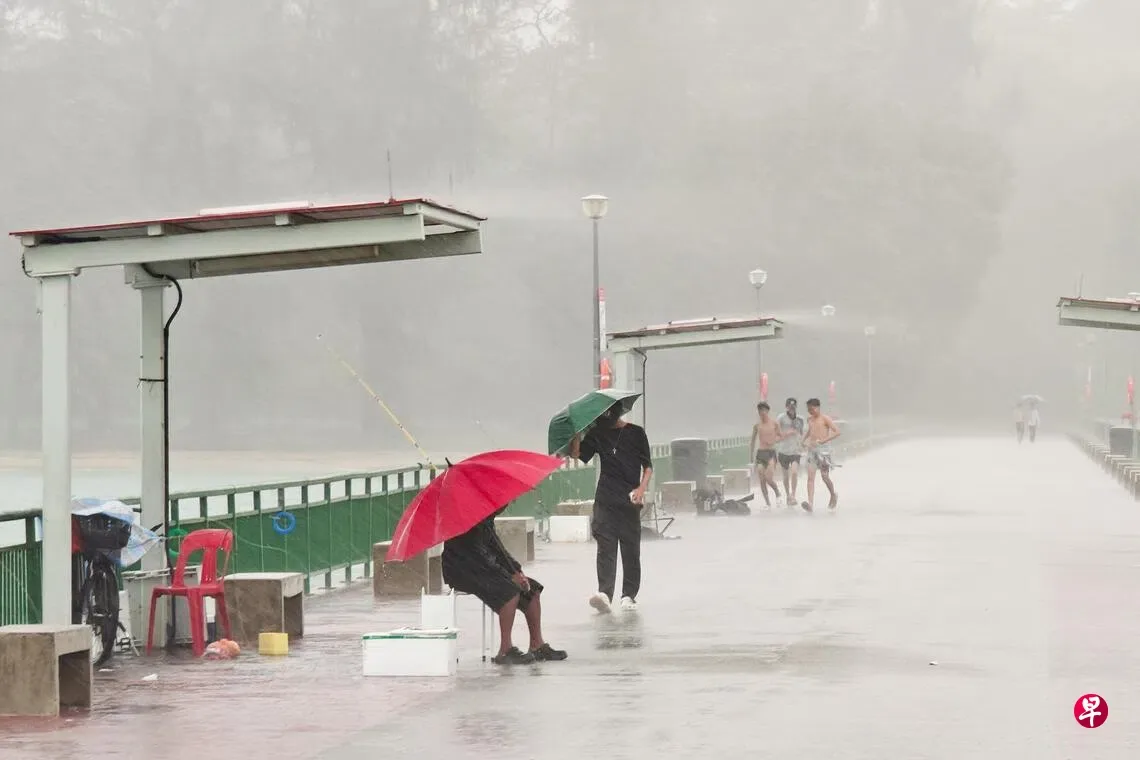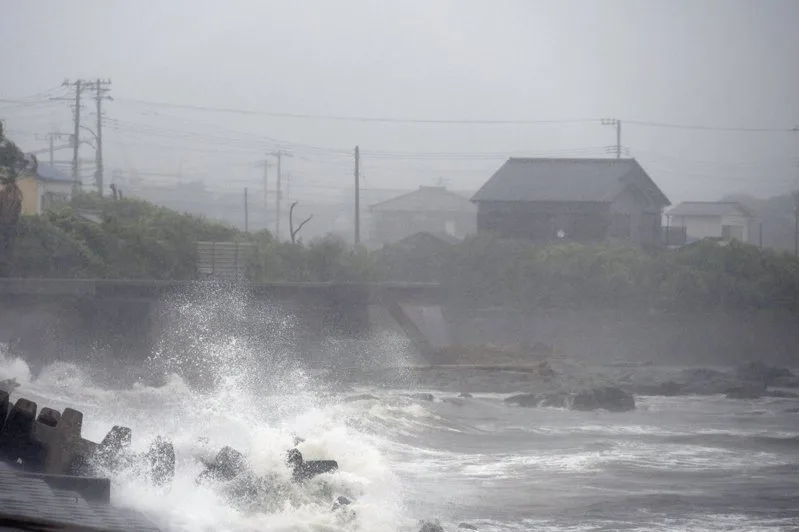
Japan is currently impacted by multiple weather hazards including Typhoon Mikla (No.7), Typhoon Fig (No.8), and a Meiyu front causing heavy rains across western regions such as Kyushu and Shikoku [1, 2]. Typhoon Mikla formed on June 20 and strengthened into a strong typhoon moving northwest at 10 km/h, expected to reach Okinawa on June 26 and western Japan including Kanto by June 27-28 [1, 2]. Typhoon Fig formed on June 23 near the Mariana Islands, traveling west at 15 km/h and projected to approach the Izu Islands and Ogasawara Islands around June 27 [1, 2].
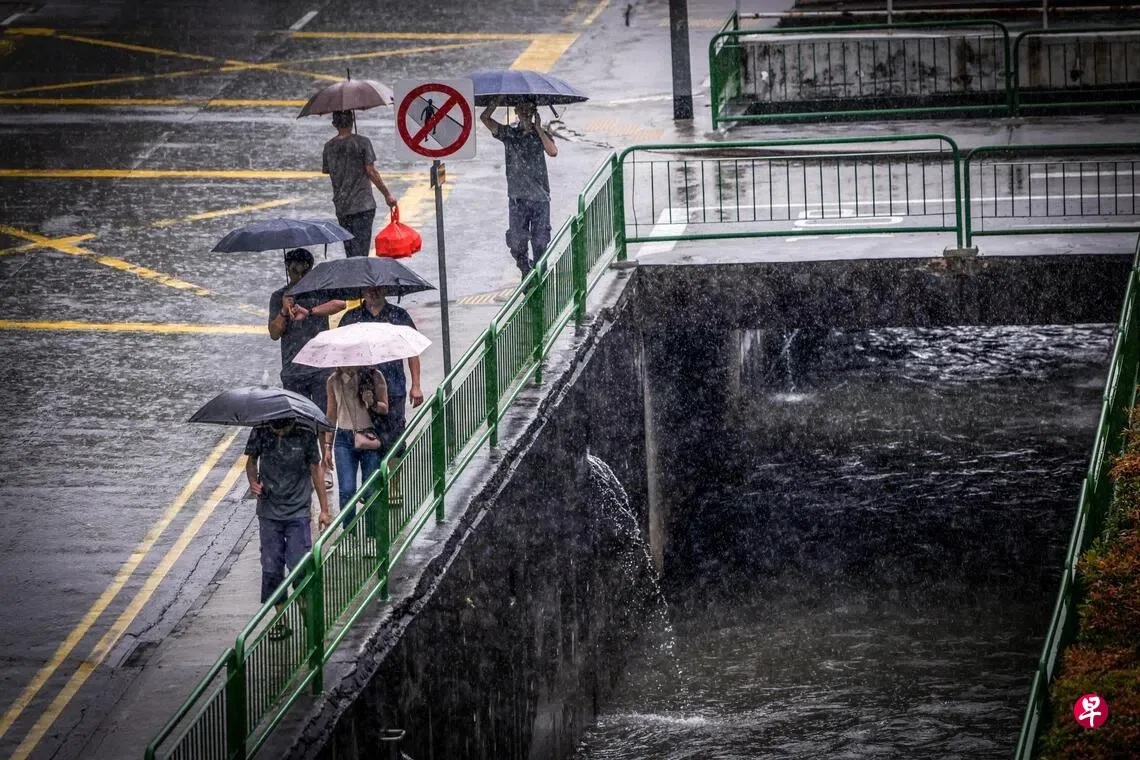
Heavy rainfall associated with the typhoons and the stalled Meiyu front has raised rain accumulation risks to 300 mm in parts of Kyushu and Shikoku. Flooding, landslide, and river overflow warnings are in place [1, 3, 2]. Miyazaki Prefecture issued its first-ever level 4 flood danger warning on June 2 under Japan's new disaster system due to torrential rain from Typhoon Somme, underscoring the high threat level in the region [3]. The storm dropped 309.5 mm of rain in Miyazaki around that time. Typhoon Somme, which formed in late May, affected Okinawa on June 1-2 before moving toward Kyushu and Shikoku and becoming extratropical by June 3-4 [4, 3, 5].
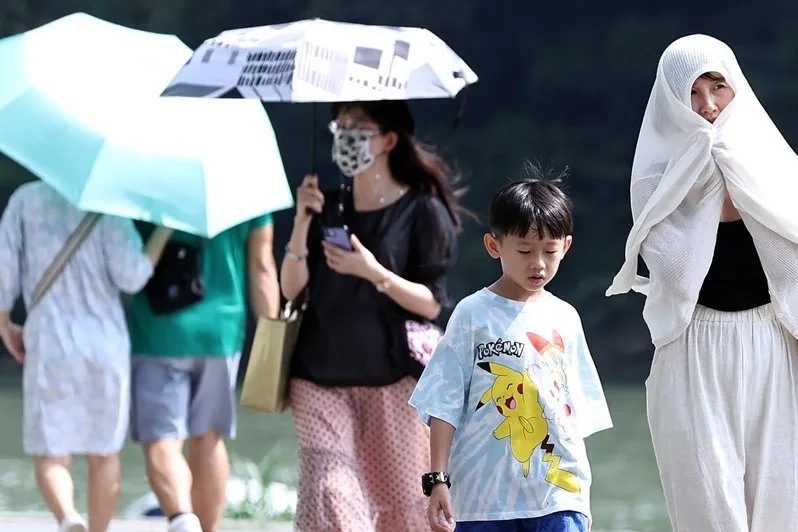
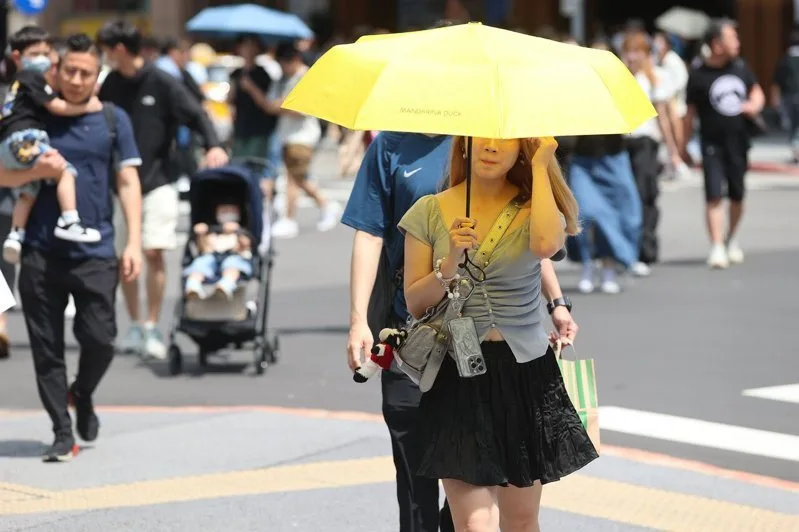
Japan also experienced an abnormal early heatwave in May, with more than 177 locations exceeding 30°C on May 17, including Osaka’s first summer day at 30.2°C and some areas potentially reaching up to 35°C [6, 7]. Health officials warn that the heatwave raises risks of heatstroke and cardiovascular stress, especially for the elderly and vulnerable. Doctors advise avoiding rapid temperature changes and staying hydrated [6, 7, 8, 9, 10]. In Taiwan, May temperatures hit over 38°C with 172 heat-related emergency cases reported by May 24, a figure that later rose to 413 [8, 9, 10]. Cardiologists warn that temperature swings can trigger dangerous blood pressure fluctuations leading to heart attacks or strokes [8, 10].
In Southeast Asia, the Singapore Meteorological Service forecast frequent afternoon thunderstorms and high temperatures up to 35°C through late May, while noting an over 80% probability of El Niño forming in the second half of 2026. The agency said, "This will make our region hotter and drier, increasing haze risk" [11, 12].
The multiple typhoons and Meiyu front threaten to compound rainfall and flooding risks in Japan over the coming days. Typhoon Fig is expected near the Izu and Ogasawara Islands by June 27, while Typhoon Mikla is set to reach western Japan by June 27-28 [1, 2]. Authorities have urged residents along coasts and flood-prone zones to stay alert and prepare for possible evacuations.
Next, meteorological agencies will monitor the newly formed tropical depression in the South China Sea that is forecast to approach Japan next week, potentially increasing rain threats further [5].