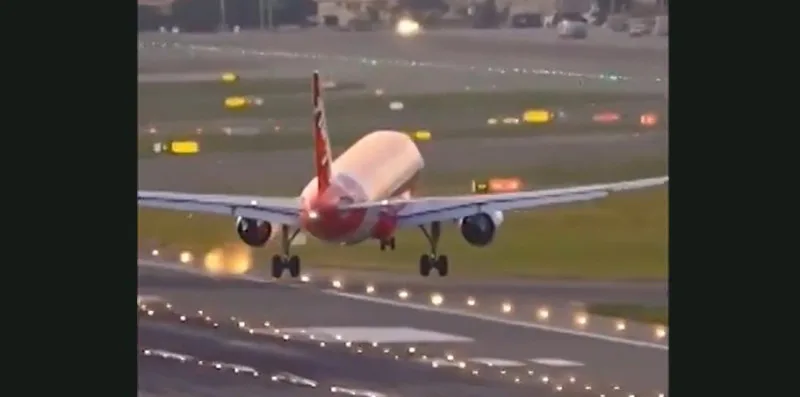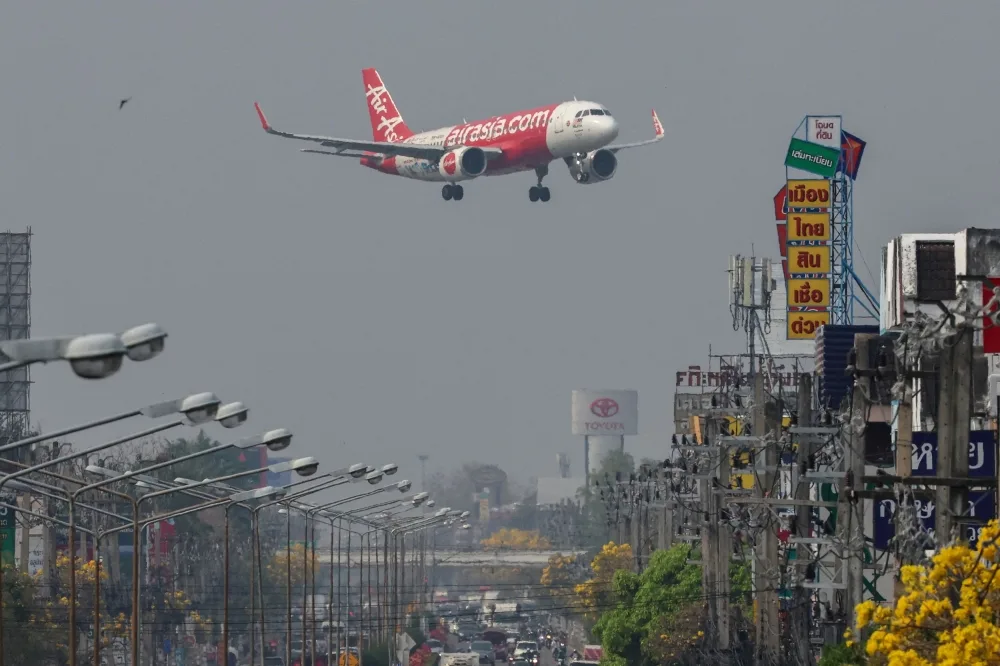
An AirAsia Airbus A320 made a crosswind landing at Taiwan Taoyuan International Airport on May 4, facing intense crosswinds during final approach [1, 2]. The aircraft was angled into the wind, a technique known as a crab landing, to counteract the sideways gusts and maintain a safe touchdown [1, 2].
A video of the landing quickly went viral, drawing attention to the skill involved in performing such a demanding procedure safely [1, 2]. Crosswind landings require pilots to carefully balance the aircraft’s alignment with the runway while compensating for unpredictable wind currents.
Pilots receive rigorous training for these scenarios, including regular simulator sessions designed to hone their ability to handle crosswind conditions professionally and ensure passenger safety [2]. Despite being a standard manoeuvre, the crosswind landing demands precise judgment, strict adherence to aviation regulations, and great responsibility [1, 2].
The viral footage emerged publicly on May 13, highlighting pilot professionalism and technical expertise [1, 2]. AirAsia’s handling of the challenging descent and landing has been commended.
Crosswind procedure remains an essential skill for pilots operating in airports prone to gusty or turbulent winds. The demonstration at Taiwan Taoyuan International Airport underscores the importance of training and experience in dealing with varying weather conditions.