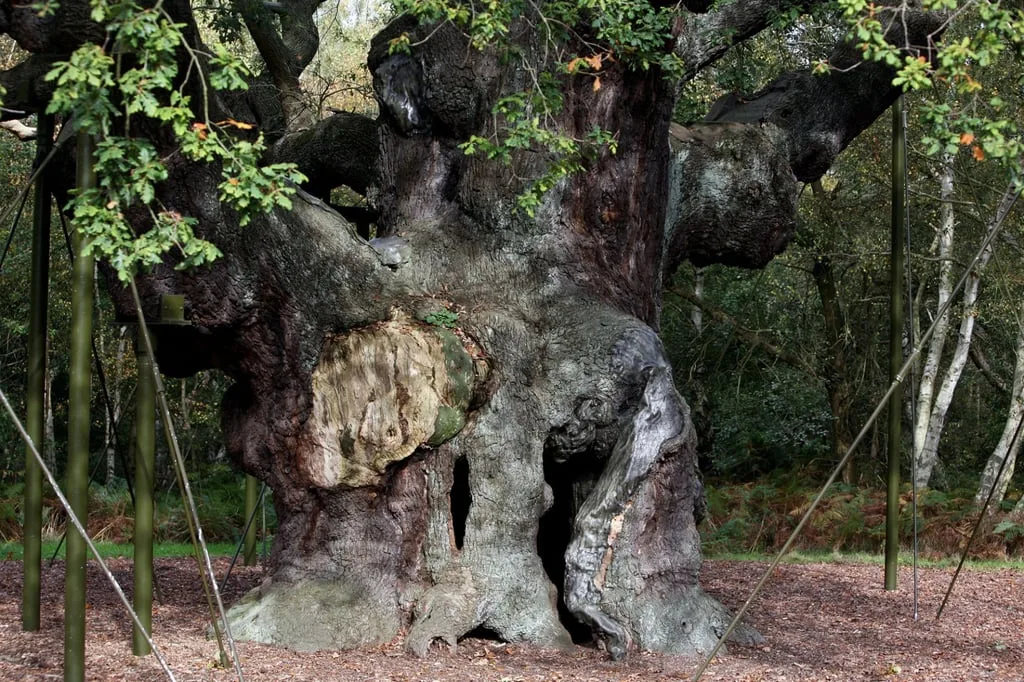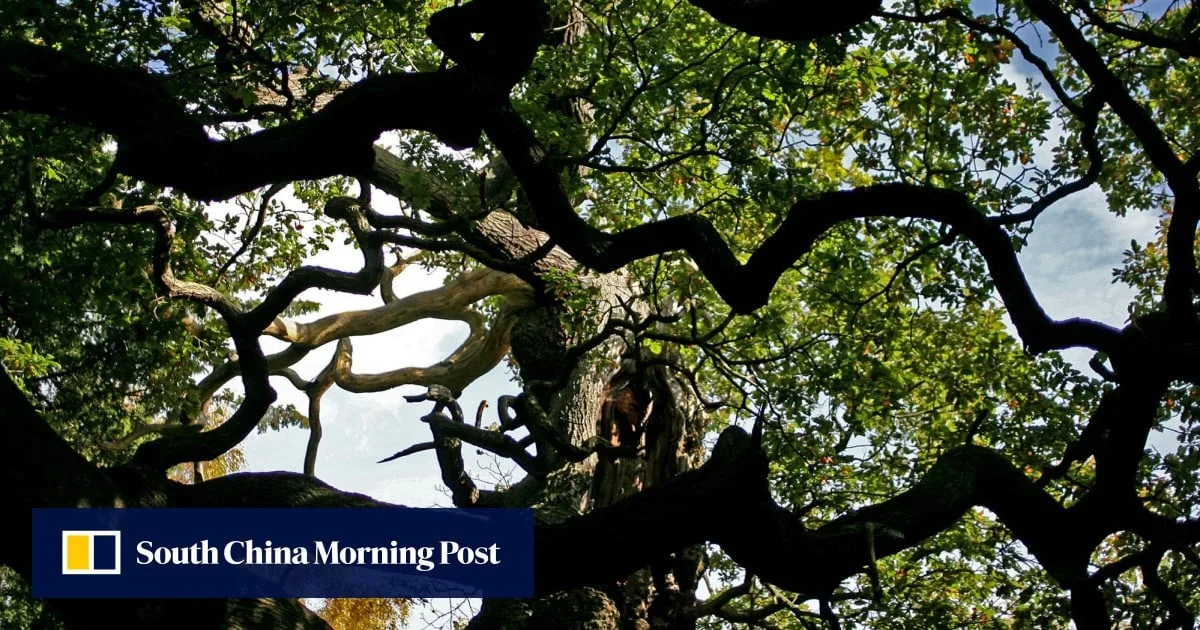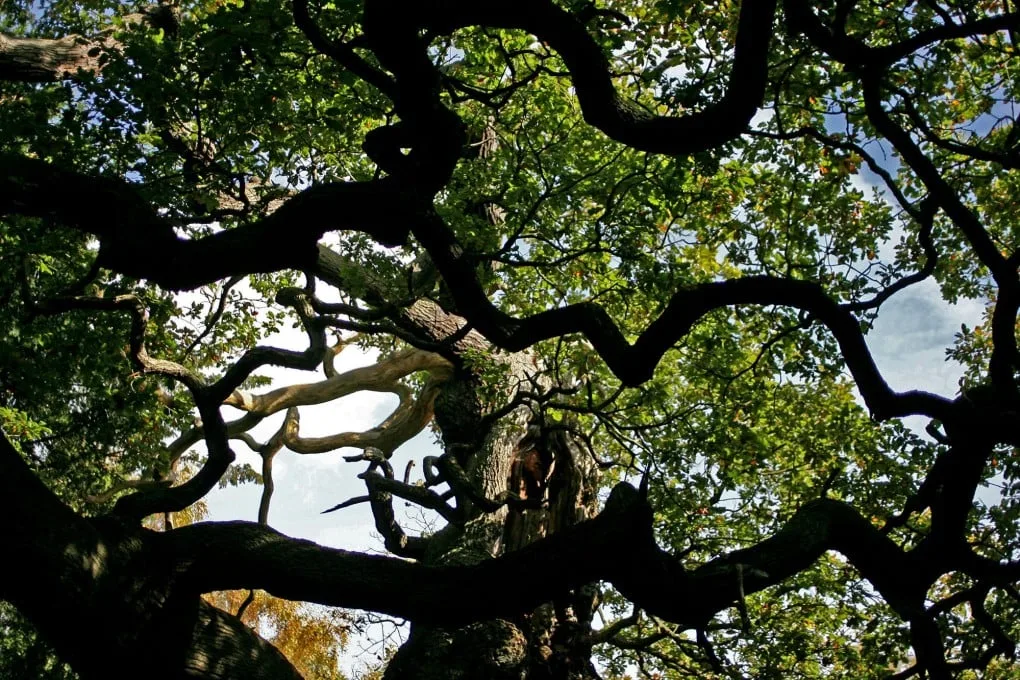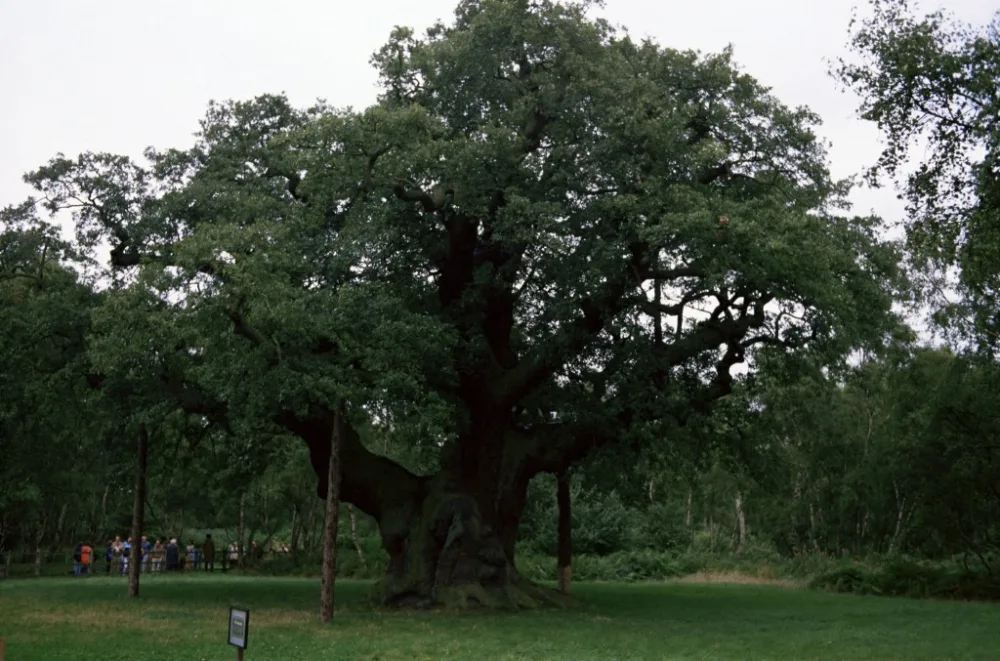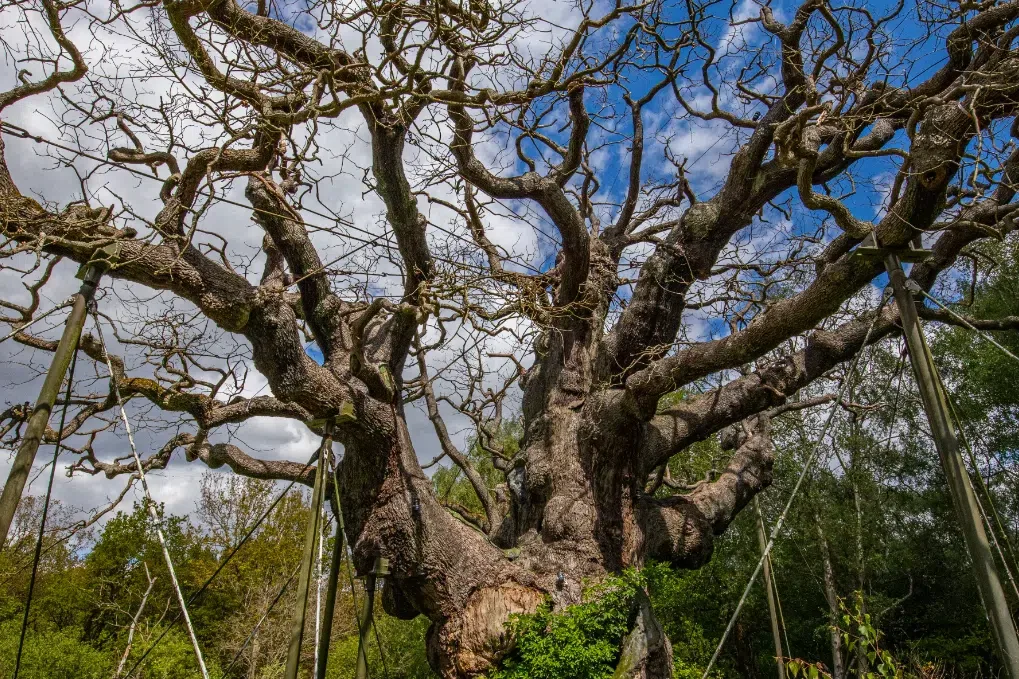
The Major Oak, a 1,200-year-old oak tree in Nottingham’s Sherwood Forest renowned for its link to the Robin Hood legend, is believed to have died after failing to produce leaves in spring 2026, conservation groups confirmed this month [1, 2, 3]. The tree, one of Britain’s largest ancient oaks with a trunk circumference of about 11 meters, had been monitored closely after years of visible decline linked to soil compaction, pollution, droughts, and climate change [1, 3].
Millions of visitors over time have compacted the soil around the tree’s roots, reducing water and nutrient uptake, which was a key factor in the tree’s gradual weakening [1, 2]. Conservation efforts included physical supports for the heavy limbs and filling cavities with concrete, but these measures proved insufficient to prevent the decline [3].
Hollie Drake, senior site manager at the Royal Society for the Protection of Birds (RSPB), described the loss as ‘‘heart-breaking for everyone’’ and confirmed the tree’s failure to leaf was the final sign that it had died [2, 3]. Ed Pyne, senior conservation adviser at the Woodland Trust, called the Major Oak ‘‘perhaps the most famous ancient tree in the UK,’’ and said its loss was ‘‘incredibly tragic’’ [1].
The Major Oak has been a protected landmark since the eighteenth century, gaining its name after being mentioned in a book by Major Hayman Rooke in 1790 [1]. According to local legend, Robin Hood and his band used the tree as a hideout to outwit the Sheriff of Nottingham [1, 3]. Sherwood Forest itself protects one of the largest veteran oak collections in Western Europe [3].
Efforts to preserve the Major Oak’s lineage have involved growing acorns and cuttings into saplings, which have been planted worldwide to maintain the tree’s genetic heritage [1, 3].
The Major Oak's death follows years of environmental challenges, including record droughts and pollution pressures that accelerated its decline over the last five years [3]. The RSPB officially confirmed the tree’s death in June 2026 after it failed to come into leaf [1, 2, 3].