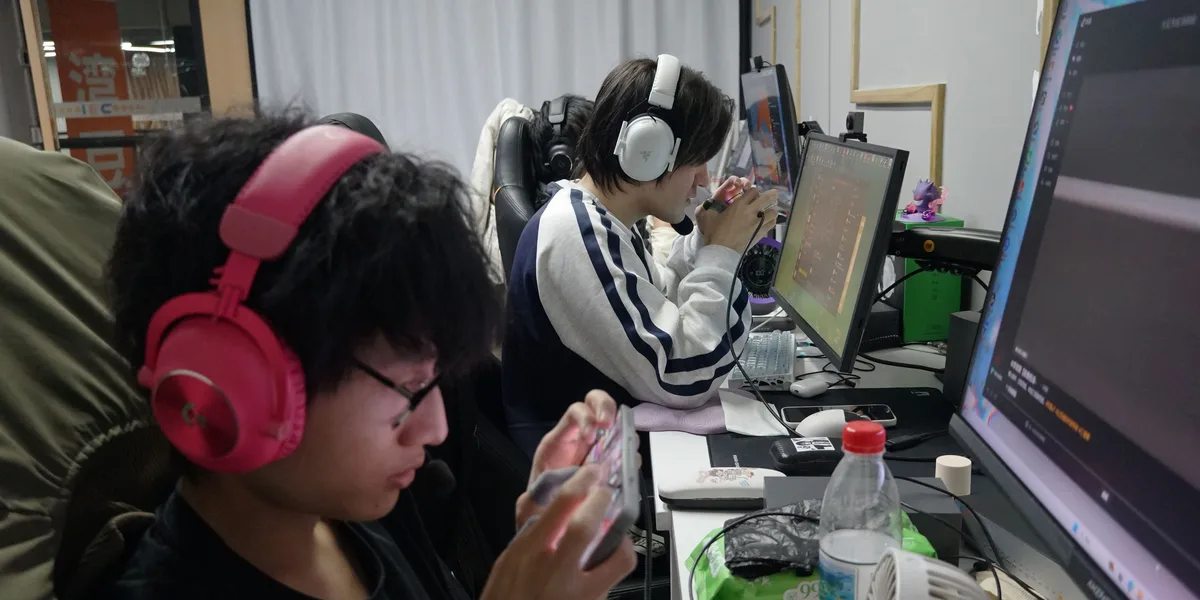
Wei Yuan’s esports training center in China receives about 400 inquiries each week from aspiring professional gamers, but only 0.5% pass the initial offline testing stage, and only one in 10 of those proceed to further training, meaning roughly one in 2,000 hopefuls advance at all [1].
Wei Yuan, who started pursuing a pro gaming career in 2017 during a boom in the Chinese esports industry, described the fierce competition. He said, “I receive roughly 400 inquiries a week, but only about 0.5% qualify for offline testing, and only around one in 10 of those goes on to receive further training” [1].
The path to becoming a professional gamer in China has grown more difficult since 2021. Stricter anti-addiction policies targeting minors and reduced investments in esports clubs have limited opportunities, especially for younger players and weaker teams [1].
Wei Yuan’s own experience illustrates these challenges. He began trying to enter pro gaming in 2017, but faced family opposition. His parents initially opposed his gaming lifestyle so strongly that they smashed his phone to stop him from attending a tryout in Shanghai at age 15 [1].
He noted, “The key isn’t us convincing them to quit. It’s letting them see the gap for themselves. That’s more convincing than anything we could say.”
The esports training center maintains rigorous selection criteria despite the shrinking industry environment. The low progression rate reflects both high standards and structural barriers experienced by aspiring Chinese gamers.
The next test cycle at Wei Yuan’s center is scheduled later this month, when they will again screen hundreds of hopeful players seeking a professional future [1].