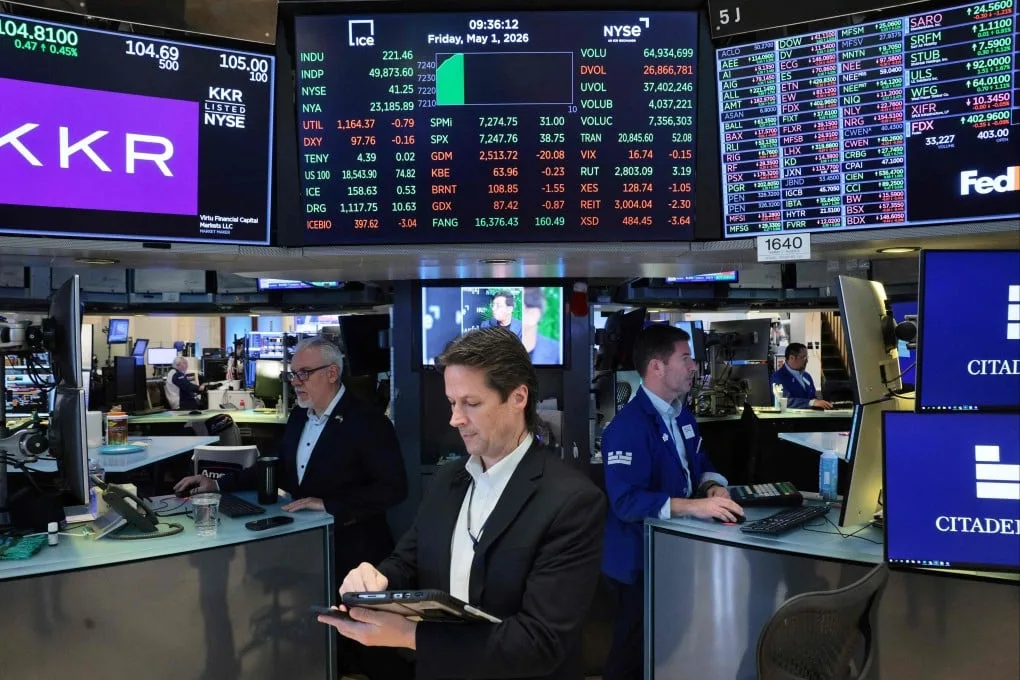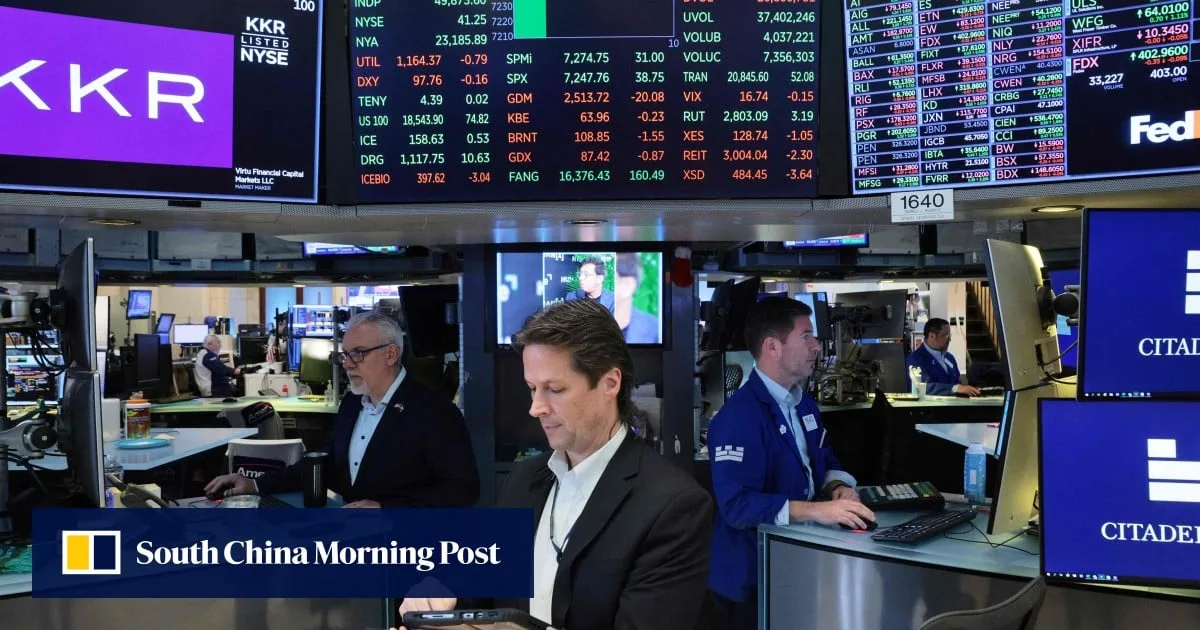
The US stock market edged lower Monday morning as tensions mounted in the Strait of Hormuz. The S&P 500 slipped 0.1%, the Dow Jones fell 216 points (0.4%), and the Nasdaq rose 0.1% as of 9:35 a.m. Eastern time, reflecting cautious investor sentiment amid geopolitical uncertainty [1].
Oil prices surged sharply on the news, with Brent crude climbing 2% to $110.37 per barrel and briefly topping $114 during the morning session. This represents a significant rise from around $70 per barrel before the outbreak of the conflict between Iran and the United States [1].
Iran closed the Strait of Hormuz due to its war with the US, restricting oil tanker movements and disrupting a key global shipping route. Iranian news agencies claimed Iran struck a US Navy vessel southeast of the strait for "violating maritime security and navigation norms," accusing the US of unauthorized passage [1].
The US military rejected Iran's claim, stating no US Navy vessel was hit. The American military confirmed that two US-flagged merchant ships successfully transited the Strait of Hormuz without incident earlier Monday [1].
On Sunday, President Donald Trump said the US would guide ships through the strait, which "could get oil flowing again and bring down its price," signaling a potential effort to restore shipping lanes and ease the oil supply disruption [1].
Despite the heightened war-related uncertainty, some companies continue to report strong profit growth, showing resilience amid market volatility [1].
Monday’s developments show competing narratives on the ground in the Gulf region, with the US maintaining some degree of navigational freedom despite Iran’s closure of the strategic waterway.
Markets will watch closely for any further escalation or resolution. Traders await more clarity on US military movements and diplomatic responses that could shape oil supply and broader economic impacts.
Investors will also follow earnings reports and corporate updates to gauge how the conflict might affect company profitability in coming weeks [1].