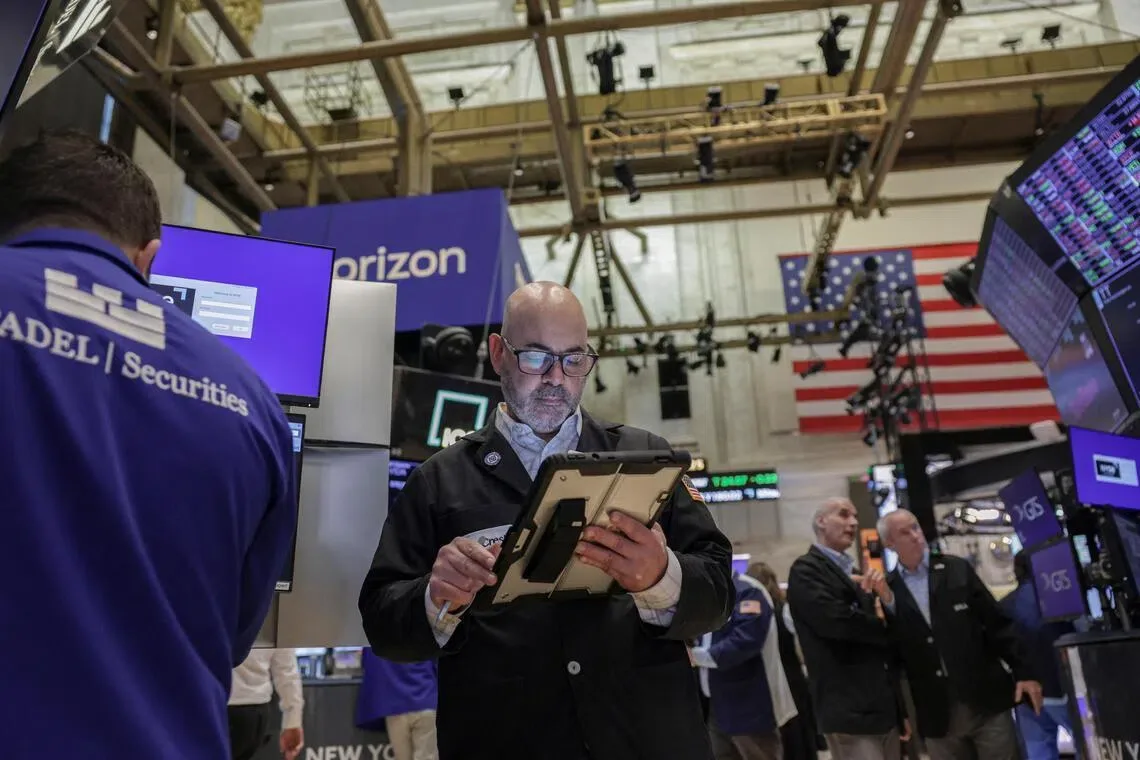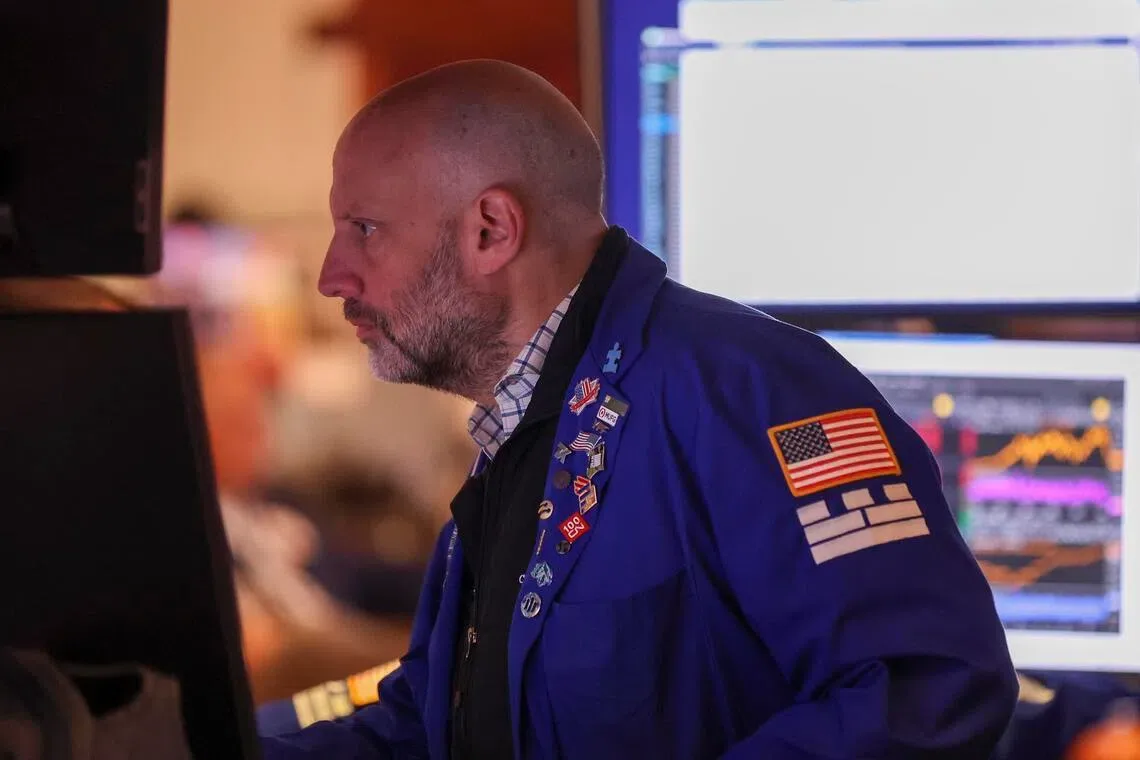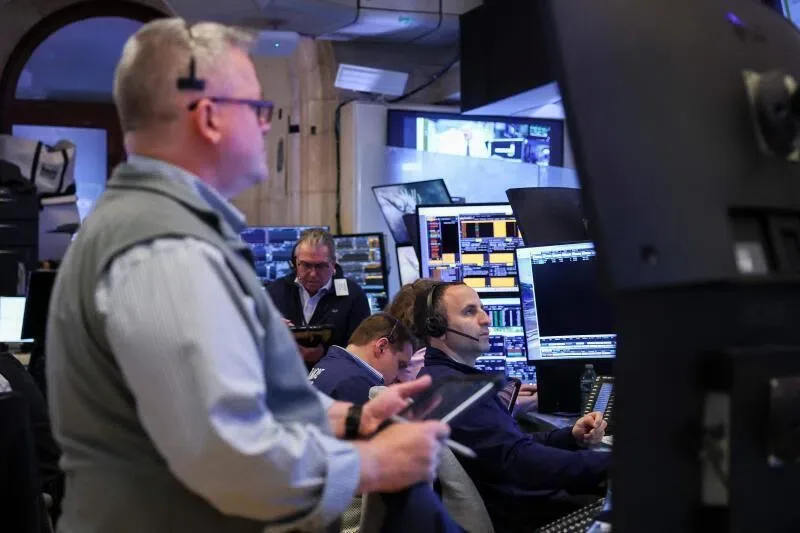
US stock markets fluctuated throughout May 2026 as investor optimism about AI-driven technology clashed with inflation concerns and US-Iran tensions.
The S&P 500 and Nasdaq set record or near-record closing highs during the month, boosted by gains in semiconductor and AI-related megacap stocks, known as the “Magnificent Seven,” which rose between 1.4% and 3.9% in May [1, 2, 3]. The PHLX Semiconductor Index climbed sharply, rising 2.6% on May 11 and maintaining strong gains fueled by enthusiasm around AI infrastructure [1, 4, 3]. Ross Mayfield, an investment strategy analyst at Baird, said, "The semis and AI infrastructure trade has taken on a life entirely of its own." Despite a mid-May pullback, technology and semiconductor stocks rebounded, helping markets recover and achieve fresh highs [2, 5, 3].
Strong corporate earnings underpinned market gains. Around 83% of S&P 500 companies beat earnings expectations for the first quarter, with aggregate earnings growth estimated at 28.6% year-over-year as of early May [1, 4]. Notably, Cisco and Nvidia posted robust results, boosting investor sentiment; Nvidia's market capitalization reached $5.5 trillion during the month [3, 6, 7]. The Dow Jones Industrial Average briefly topped 50,000 points on May 14, lifted by the Trump-Xi summit in Beijing and strong earnings from tech leaders [6, 7, 8]. Trump’s visit to Beijing on May 14-15, accompanied by US tech CEOs from Nvidia and Tesla, was seen as positive for business relations and market confidence [2, 3, 6].
However, inflation and geopolitical tensions weighed on markets at times. April producer prices rose 1.4%, the largest monthly increase in four years, fueling concerns about persistent inflation and reducing expectations for Federal Reserve rate cuts in 2026 [9, 2, 3]. Crude oil prices spiked sharply amid stalled US-Iran peace talks and the closure of the Strait of Hormuz, raising fears of further inflation and pressure on Treasury yields [1, 9, 2, 10, 4, 3]. President Donald Trump dismissed Iran’s peace proposal, calling the truce "on life support," adding to uncertainty [1, 9, 4]. The 11-week US-Iran conflict continued through May with no resolution [9, 10].
Market reactions were volatile. After reaching records on May 11, stocks fell on May 12 due to hotter-than-expected inflation and escalating tensions; the semiconductor index dropped 3% though remained up 65.4% year-to-date [9]. Wall Street declined sharply on May 15 following crude price surges and inflation worries as Jerome Powell stepped down as Federal Reserve chair, with incoming chair Kevin Warsh confirmed by the Senate and facing pressure to raise rates if inflation persists [10, 9, 2]. Jay Hatfield, CEO of InfraCap, noted, "Our call has been for the market to flatten out simply because greed occurs during earnings season and fear after." Meanwhile, investor Michael Burry warned on May 11 the rally was "overheated" and said, "The market has jumped the shark" [1, 4].
Health care stocks also performed well amid volatility, with companies like Humana gaining in mid-May [9, 11]. Boston Fed officials signaled the possibility of further rate hikes if inflation remains elevated [2, 3]. Kevin Warsh took over Federal Reserve leadership on May 15 amid ongoing inflation concerns [9, 2, 10, 3].
Markets will watch upcoming inflation data and US-Iran diplomatic developments closely as the Federal Reserve weighs policy decisions ahead. The market faces continuing pressure from geopolitical risks and inflation trends through 2026 [9, 2, 10].