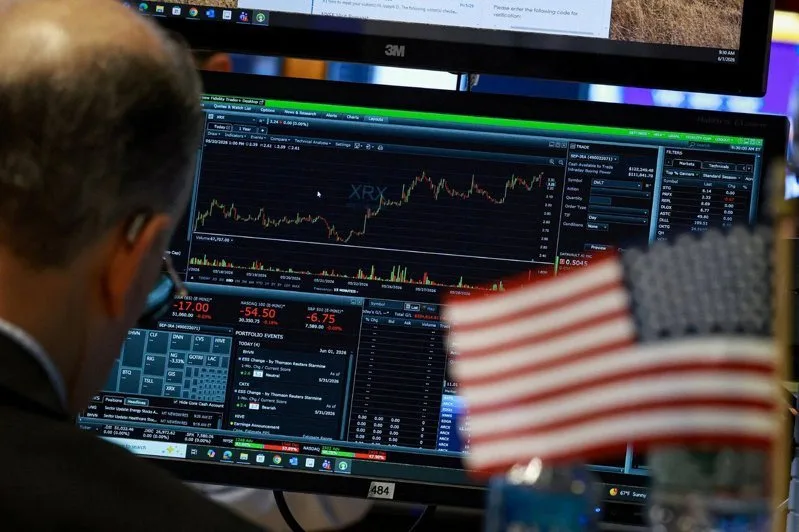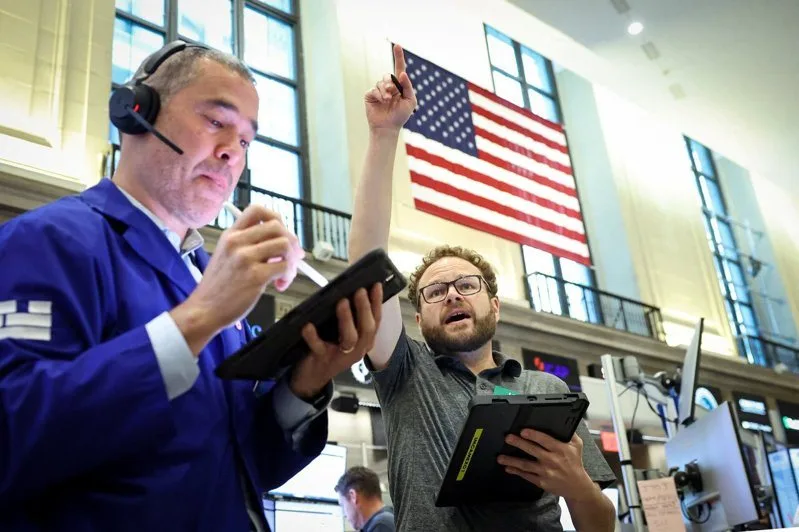
US chip stocks gained sharply in early June amid easing geopolitical tensions and rising optimism for artificial intelligence (AI) memory demand. Micron Technology's share price jumped about 10% on June 9, recovering losses from prior sessions and closing at $987.50, driven by investor confidence in AI-related memory growth prospects [1, 2]. Intel’s stock surged 11.2% on the same day, while Apple saw a 1.9% decline despite its AI upgrades announced at WWDC [1, 2].
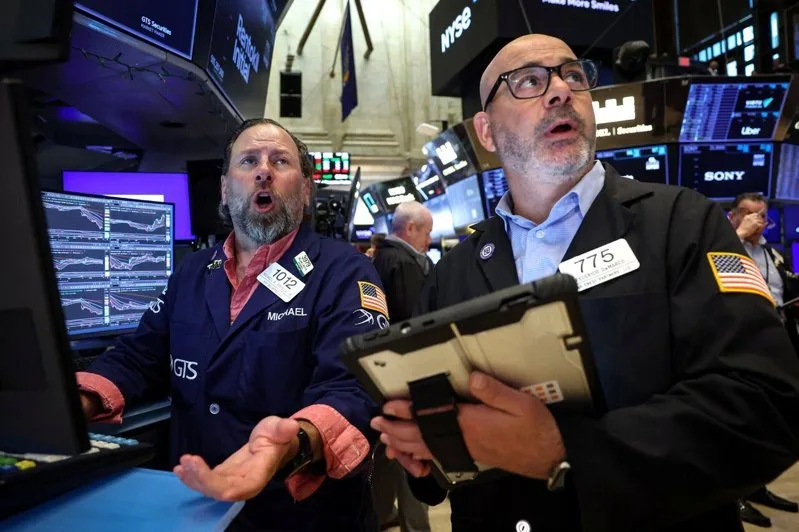
Futures for major US indexes also rose on June 9, with the S&P 500, Nasdaq 100, and Dow futures all in positive territory [1, 3, 2]. The technology sector rebounded after recent volatility; analysts warned inflation data and upcoming Federal Reserve rate meetings could still trigger pullbacks amid elevated tech long positions [3, 4, 2].
On June 7, SK Hynix and Nvidia announced a long-term partnership to develop next-generation AI memory technology, although Nvidia remains open to continuing its supply relationship with Micron [1]. This reflects growing collaboration in semiconductor innovation targeting AI workloads.
The most significant market boost came on June 11 after then-President Donald Trump canceled a planned airstrike against Iran. The Dow closed at 50,848.75, with all three major indexes posting their largest single-day gains in nearly two months. The Philadelphia Semiconductor Index soared nearly 8%, reflecting investor relief over decreased geopolitical risk [5, 6, 7]. Trump said the US and Iran could sign a peace agreement as soon as the weekend to restore shipping through the Strait of Hormuz [5]. However, Iran’s foreign ministry stated no final deal has yet been reached, leaving uncertainties around the accord’s timing and terms [7].
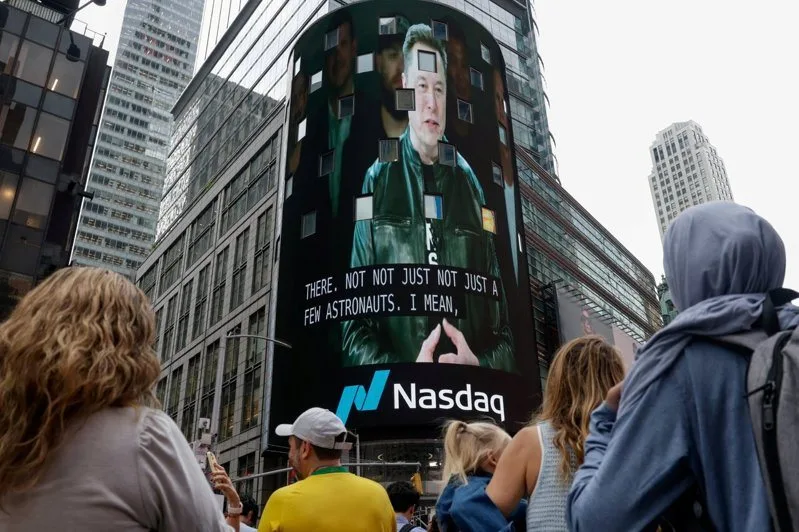
On the same day, SpaceX completed a historic $75 billion IPO, raising $75 billion and reaching a valuation of $1.77 trillion. Its shares jumped 19% at the open, marking the largest US IPO ever. CNBC’s Jim Cramer said the strong listing could encourage AI companies like Anthropic to accelerate their own public offerings [5, 6, 8, 9]. Adam Sarhan, CEO of 50 Park Investments, noted that how the market digests the news will be critical and investors need to consider their time horizons [5].
Meanwhile, capital has been rotating from tech and AI stocks into beaten-down sectors such as biotech, finance, and energy in search of safety [4, 10, 11]. Morgan Stanley’s Mark Haefele said he does not believe investors are losing faith in AI’s long-term potential [2].
Asian markets responded positively to easing US-Iran tensions on June 12. The Nikkei and Korea’s Kospi indexes surged, while oil prices fell sharply amid hopes for peace [7].
The next key events include upcoming US inflation data and Federal Reserve meetings, which analysts say could still trigger volatility. The US-Iran peace talks also remain unresolved, with final agreements not yet signed.
The chip sector has shown signs of recovery after Micron’s steep 13% drop on June 5, rebounding around June 9-11 on improved political and AI-related sentiment [1, 2]. Investors will be closely watching further developments in the geopolitical situation and AI industry demand.