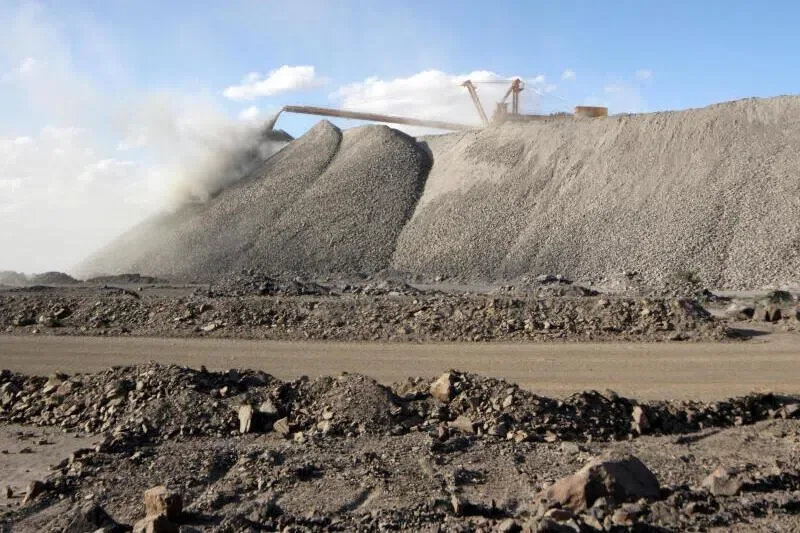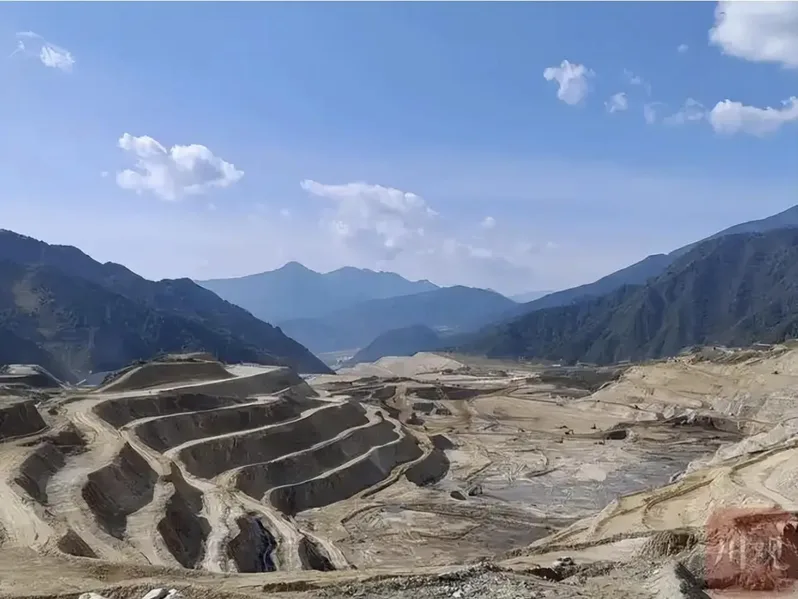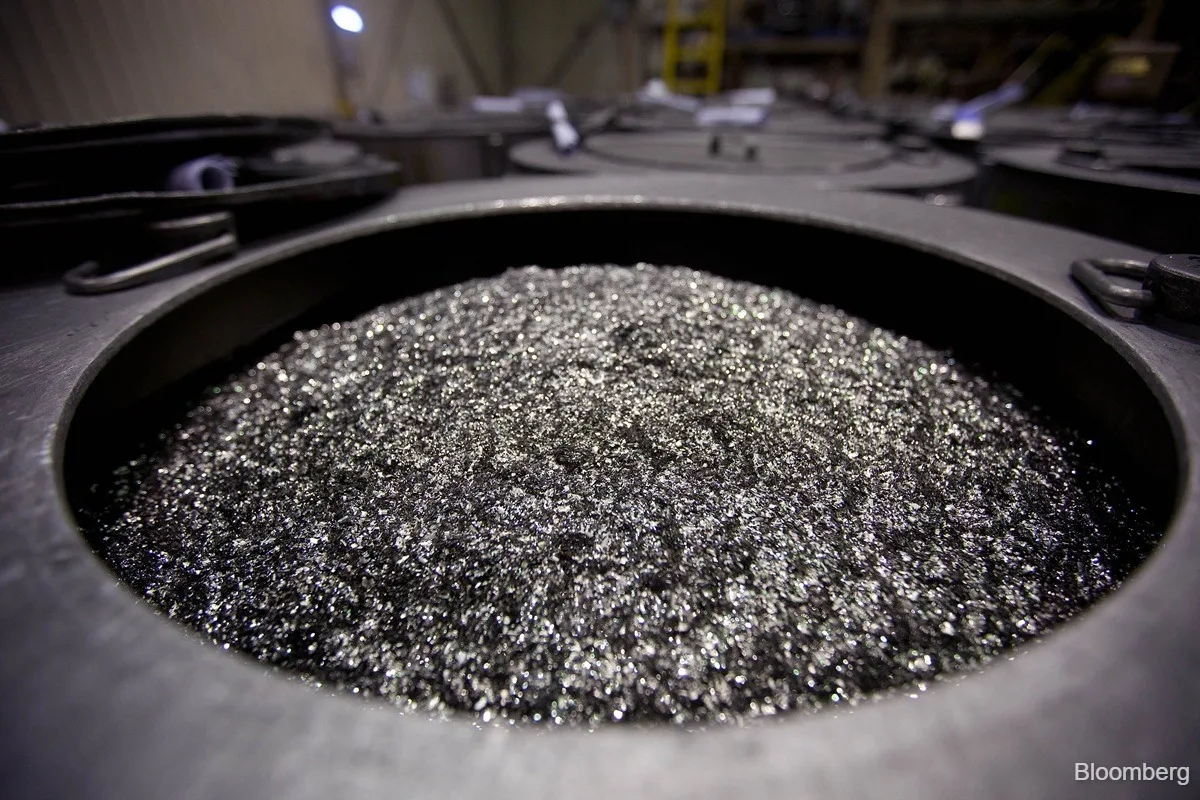
US companies still have difficulty obtaining some critical minerals from China because of export controls and licensing delays Beijing introduced in April 2025, in retaliation for US tariffs, according to a report released June 10 by the US-China Business Council (USCBC) [1, 2, 3, 4].
These Chinese restrictions have forced about 76% of affected US firms to seek alternative mineral suppliers outside China. Of those companies, 29% are actively shifting their sourcing while 47% are searching but have not found viable alternatives yet [1, 2, 3, 4]. Specific minerals nearly unobtainable to US businesses include samarium cobalt magnets, important for aerospace and defense, as well as yttrium and cadmium [1, 2, 3, 4].
Kyle Sullivan, USCBC vice-president, noted securing finished rare earth magnets remains a challenge because China dominates both mining and processing of these materials [1]. He said, "Securing finished rare earth magnets — not just the minerals themselves — is a challenge due to China's hold over both mining and processing" [1].
Sean Stein, USCBC president, said China is "forcing this diversification away from China and creating a strong interest on the part of the corporate sector to find alternatives." Stein added that "despite some progress, confidence in longer term access remains low" [1]. He also emphasized the need for congressional involvement, saying, "This is the perfect case for congressional involvement, because it can't be solved by the Trump administration alone." He warned it would be difficult for the US to fully resolve supply issues over the next three years [1].
US-China trade tensions led to a temporary truce in October 2025 after Presidents Trump and Xi Jinping agreed China would effectively remove current and proposed critical mineral export controls. The USCBC survey was conducted in February and March 2026, before a May summit where the two leaders reaffirmed the truce [1, 2, 3, 4].
However, the report shows only 49% of surveyed US companies plan to invest in China in 2026, a slight rise from a record low of 48% last year [2]. More than 270 USCBC member companies operate in China, with 38 firms impacted by mineral export controls surveyed in this report [1, 2, 3, 4].
The ongoing difficulties center on minerals critical for advanced manufacturing and defense supply chains. Stein said in Mandarin, "中国正在迫使企业将业务和供应链布局转向中国以外地区,促使企业积极寻找替代来源" (China is forcing firms to shift operations and supply chains outside China and actively seek alternatives) [2].
The USCBC report highlights that despite the trade truce and diplomatic efforts, US companies continue to face significant mineral access challenges with no quick resolution in sight [1, 2, 3, 4]. The next concrete step will be monitoring government and congressional actions, as businesses wait to see if longer-term agreements or supply chain diversification efforts gain traction.