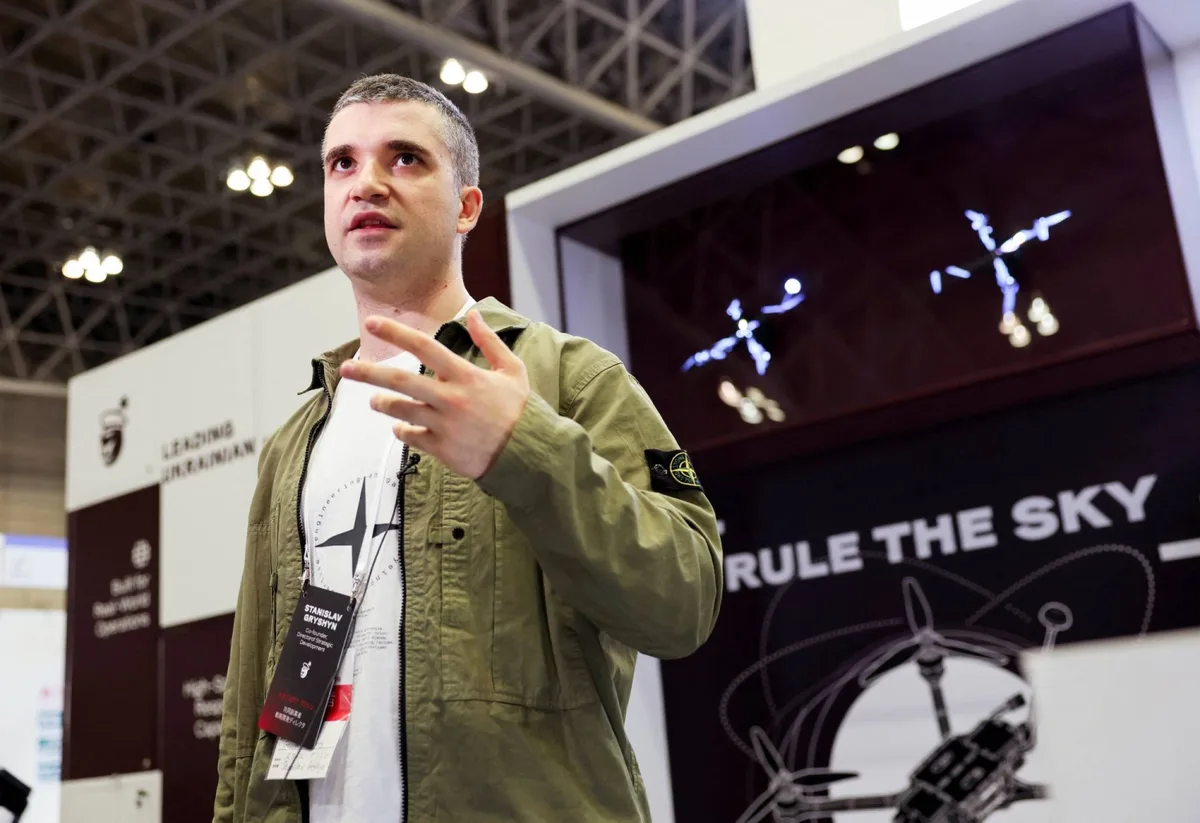
UFORCE, a Ukrainian drone manufacturer, is actively pursuing partnerships with Japan’s defense sector after Tokyo eased arms export restrictions, signaling a new phase in international defense ties [1, 2]. In April 2026, UFORCE CEO Oleg Rogynskyy visited Tokyo to propose joint drone production deals. He showcased maritime drones that Ukraine has deployed to control parts of the Black Sea, noting, “The impact is extremely similar [between the Black Sea and East Asia maritime geography]” [1].
Earlier in February 2026, President Volodymyr Zelensky declared Ukraine’s readiness to share drone technologies, including sea drones, with Japan [1, 2]. Following these announcements, Japanese officials have been cautiously exploring options to acquire Ukrainian drone systems. Japan’s military hosted a previously unreported demonstration of Ukrainian Swarmer drone technology as part of this exploration [1, 2].
Japanese Prime Minister Sanae Takaichi has warned about risks of conflict over Taiwan and said Japan is reviewing new warfare equipment options [1, 2]. A Defense Ministry spokesperson confirmed Tokyo is examining “all possible options to ensure acquisition of equipment needed for Japan’s ‘new way of warfare’” [2]. Former Defense Minister Itsunori Onodera said Japan needs “equipment that is actually demonstrating effective power” [1].
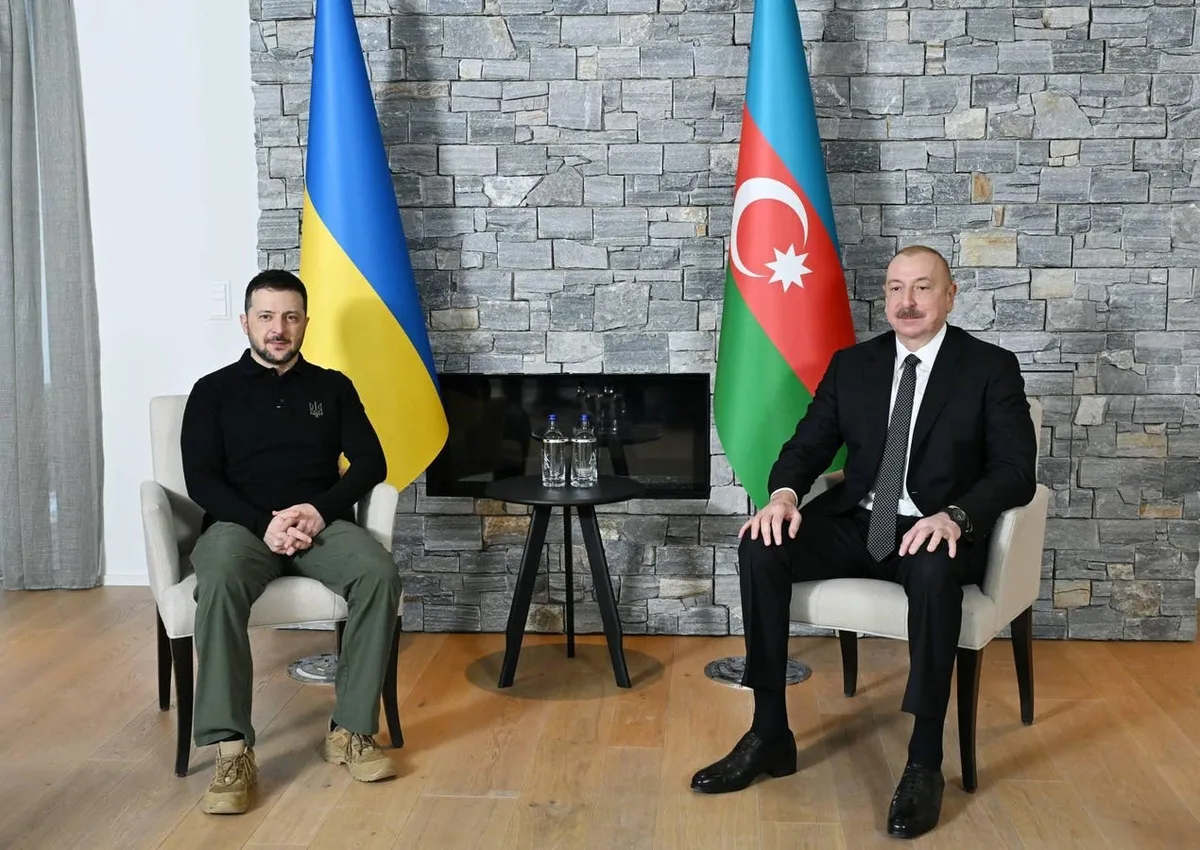
Ukraine’s drone warfare capabilities have attracted global interest as affordable asymmetric defense tools. Ukraine signed six bilateral agreements with Azerbaijan in April 2026, including joint defense industrial production, showing wider military cooperation linked to drone tech [3]. Ukrainian drone teams routinely outperform NATO units in training exercises thanks to actual combat experience [4]. Deputy Secretary Davyd Aloian said Ukraine is ready to “share our operation, technologies, and experience” so partners can build a comparable defense deterrent [5].
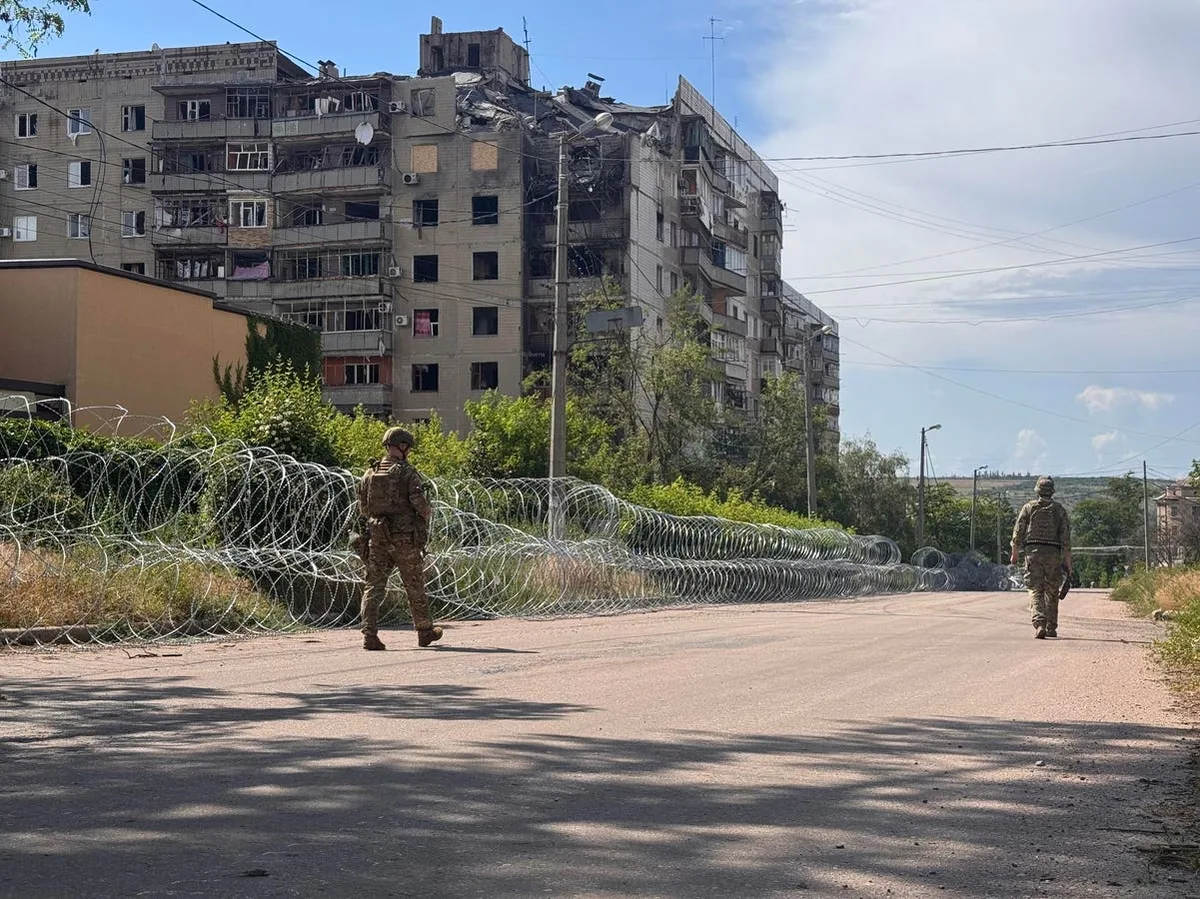
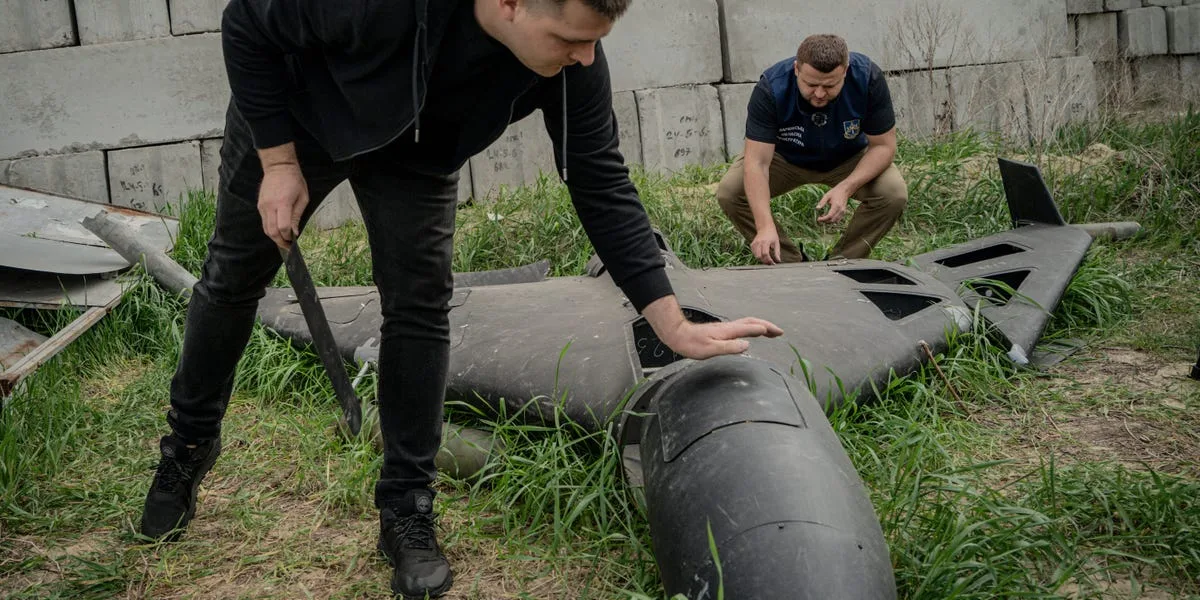
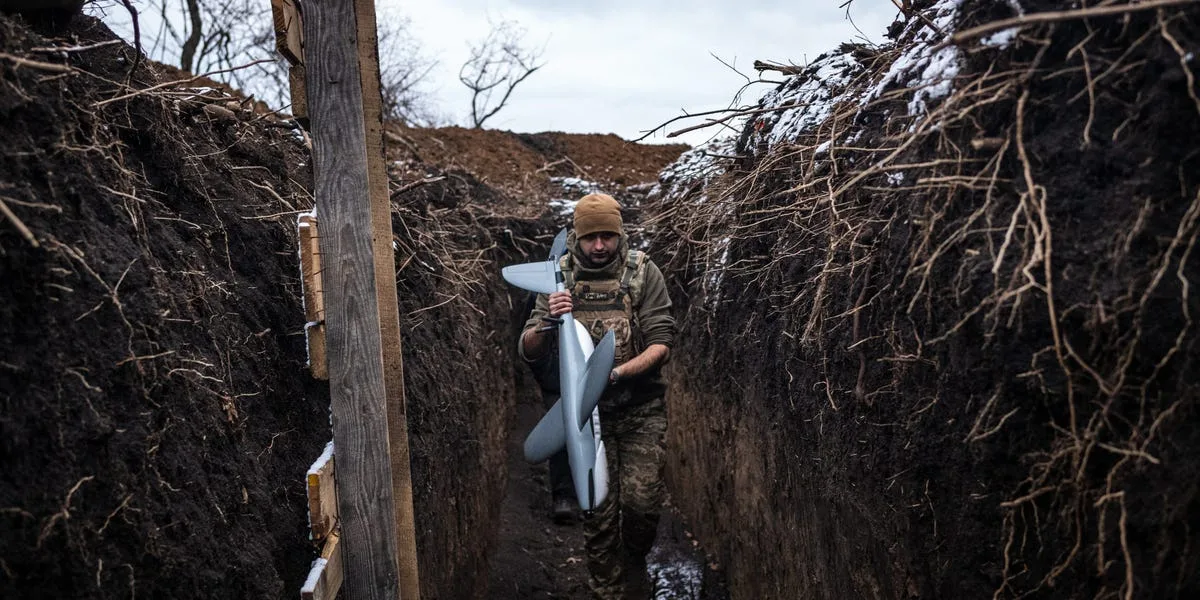
On the battlefield, Ukrainian drone operators face high risks and psychological trauma as front-line soldiers targeted by Russian forces, said Taras Berezovets of Ukraine’s Territorial Defense Forces [6]. To reduce risks, Ukraine repurposes attack and reconnaissance drones to deliver frontline supplies, with upgraded Linza drones now able to carry 4 kilograms over 15 kilometers [7].
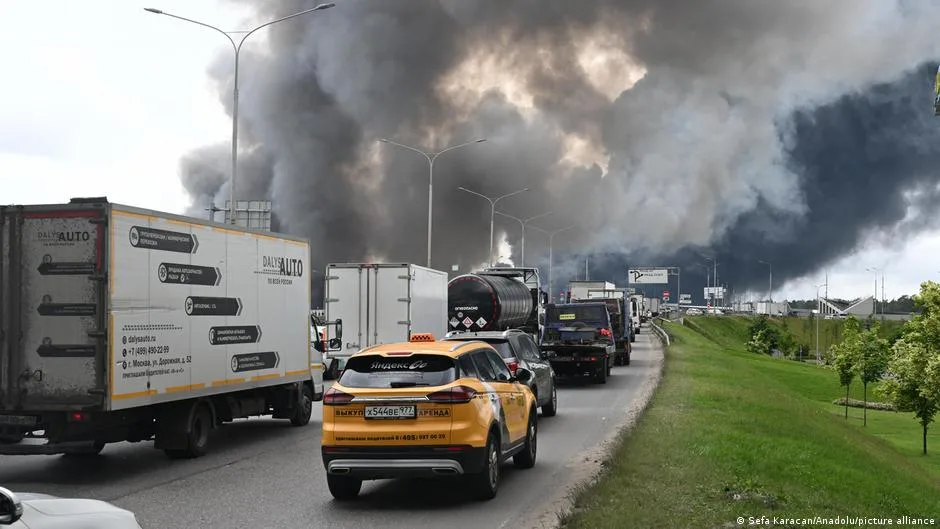
Russian ground assaults have shifted to small-unit infiltrations to counter Ukrainian drone surveillance and attacks [8]. After a major June 18 drone attack on Moscow damaged critical infrastructure, debate arose over whether Russian air defenses—reported to down over 90% of UAVs—are degrading or simply overwhelmed by sheer numbers [9].
Ukraine continues sharing earlier-generation counter-drone technologies with allies, recognizing that slightly older tech remains effective where drone use is less advanced [5]. NATO and Western militaries are learning from Ukraine’s experience the importance of diverse, cost-effective sensor networks for drone detection [10].
The next key event in this expanding cooperation will likely be follow-up talks scheduled in Tokyo later this year to explore production agreements and technology transfers between Ukrainian firms like UFORCE and Japan’s defense industry [1, 2].