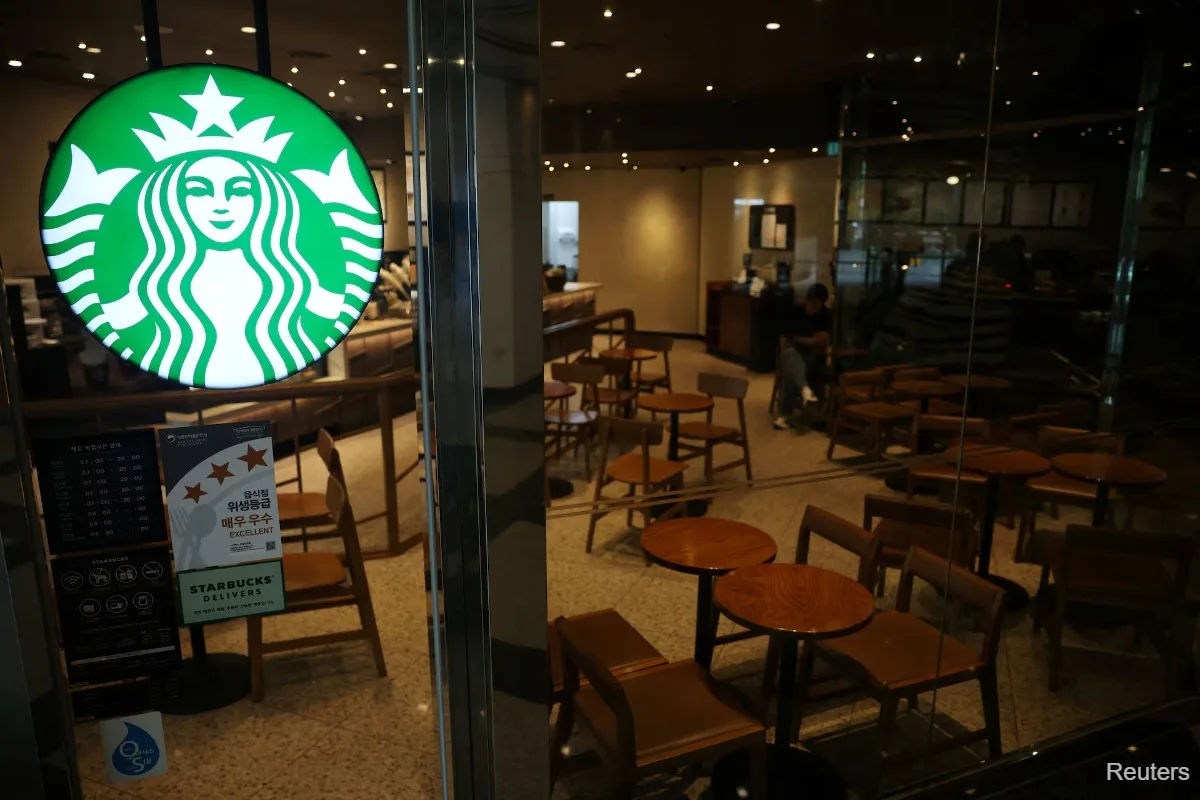
Starbucks Korea will close all its stores nationwide at 3pm on June 22, 2026, for about three hours to provide mandatory staff training on historical awareness and social sensitivity, the first nationwide early closure since it launched in 1999 [1, 2, 3]. The training includes videos and lectures led by professors covering South Korea's modern history since the 1950s and social issues like history, labor, gender, and human rights in marketing [2, 4, 5, 6, 7].
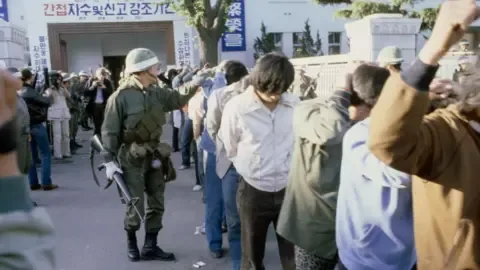
Airport Starbucks stores are excluded from the shutdown and will remain open [3, 8, 9]. The training follows a May 18–26 "Tank Day" reusable tumbler promotion which coincided with the 46th anniversary of the 1980 Gwangju Uprising, a brutal military crackdown where official figures report at least 165 civilians were killed but some activists estimate more than 2,000 deaths[s1–s12]. The campaign evoked painful memories related to the 1987 torture and death of democracy activist Park Jong-chul because of the promotional phrase "tak on the table" [1, 10, 3, 11].
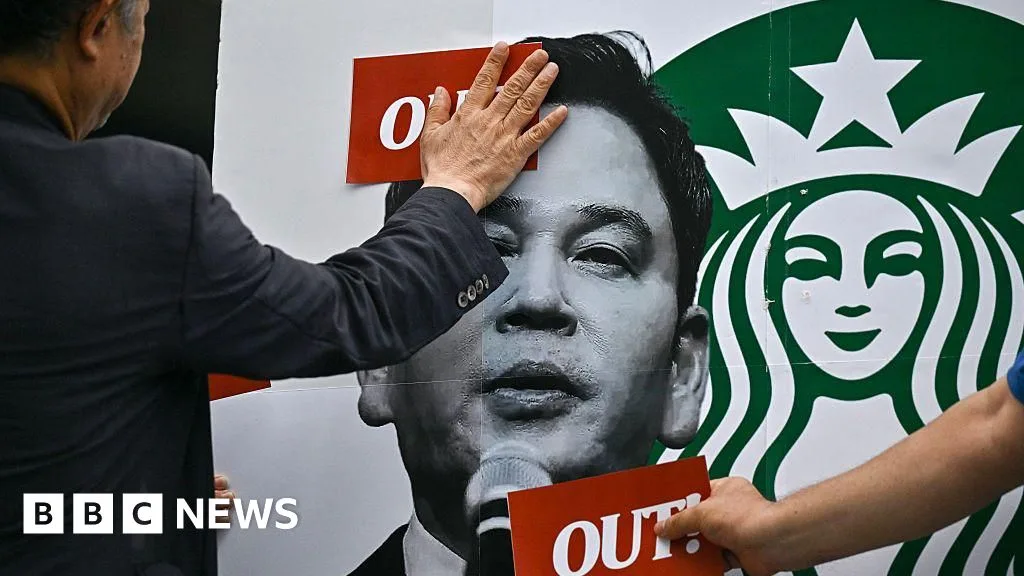
The marketing campaign sparked widespread public outrage, protests, boycott calls, and a 26% plunge in Starbucks Korea payment volumes immediately after, with sales still about 25% below pre-controversy levels by early June [1, 2, 3, 4, 6]. Shinsegae Group, the licensee operating Starbucks Korea, fired the CEO Son Jung-hyun on May 19, the day after the controversy broke, and Chairman Chung Yong-jin publicly apologized and pledged to educate staff on history and social sensitivity [1, 10, 3, 6]. Chung will attend a separate training session on June 24 alongside affiliate CEOs [10, 2, 3].
Earlier sessions were held on June 17 for Starbucks Korea headquarters staff and Shinsegae's E-Mart executives, with all other Starbucks employees training on June 22 [10, 2, 4, 5, 6]. Shinsegae also announced tighter marketing approval procedures including a new social-sensitivity checklist addressing history, commemorative dates, politics, disasters, military issues, gender, violence, and hate speech [2, 4, 5, 7]. The company said the training is intended "to take the incident as a lesson and prevent similar cases from recurring across the group in the future" [6].
Starbucks Korea operates over 2,000 stores and is South Korea's top coffee chain by customer payments [2, 3, 8, 4, 5, 6, 7]. The half-day closure is estimated to cost about 2.1 billion won ($1.4 million) in lost sales [3].