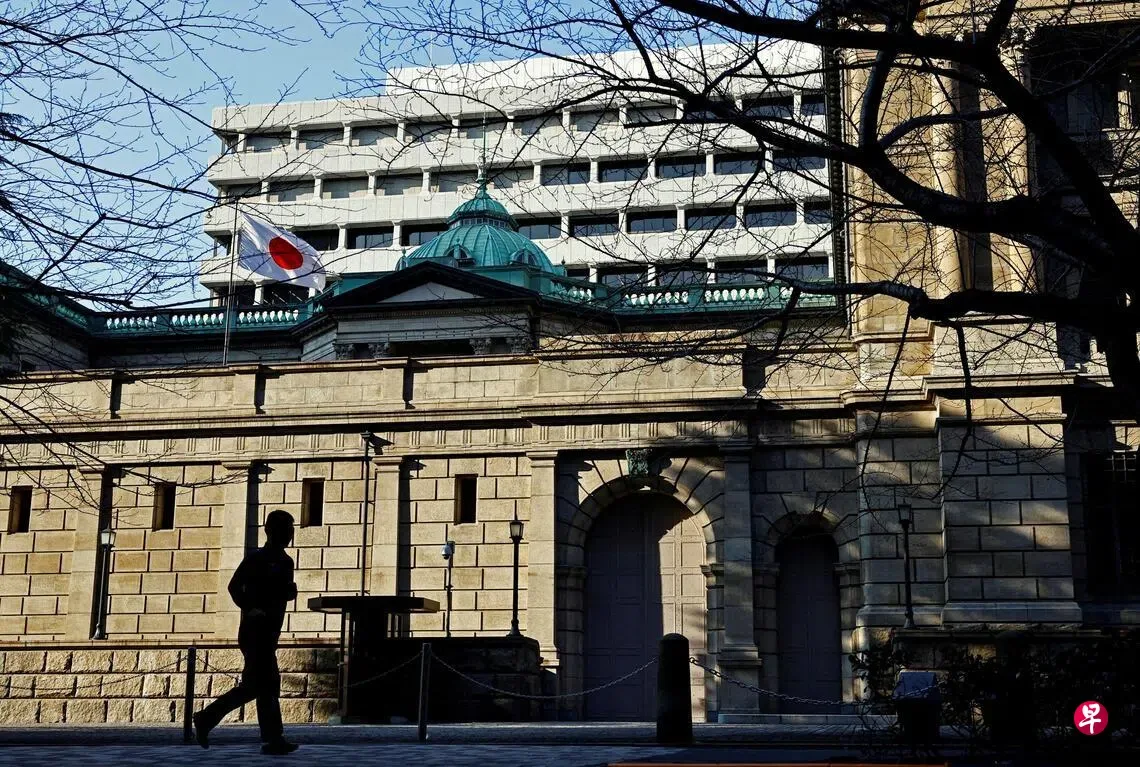
The Bank of Japan raised its short-term policy interest rate to 1% on June 16, 2026, up from 0.75%, marking the highest level since 1995. The decision followed a two-day board meeting that ended that day and was approved by a 7-1 vote among BOJ members [1, 2, 3, 4, 5, 6, 7].
Governor Kazuo Ueda missed the meeting due to treatment for an infected liver cyst. Deputy Governor Shinichi Uchida led the post-meeting press briefing and said, "With underlying inflation approaching 2%, it’s important to ensure we achieve our target stably" [1, 2, 3, 4, 6, 7]. Uchida is expected to communicate the BOJ’s future rate guidance.
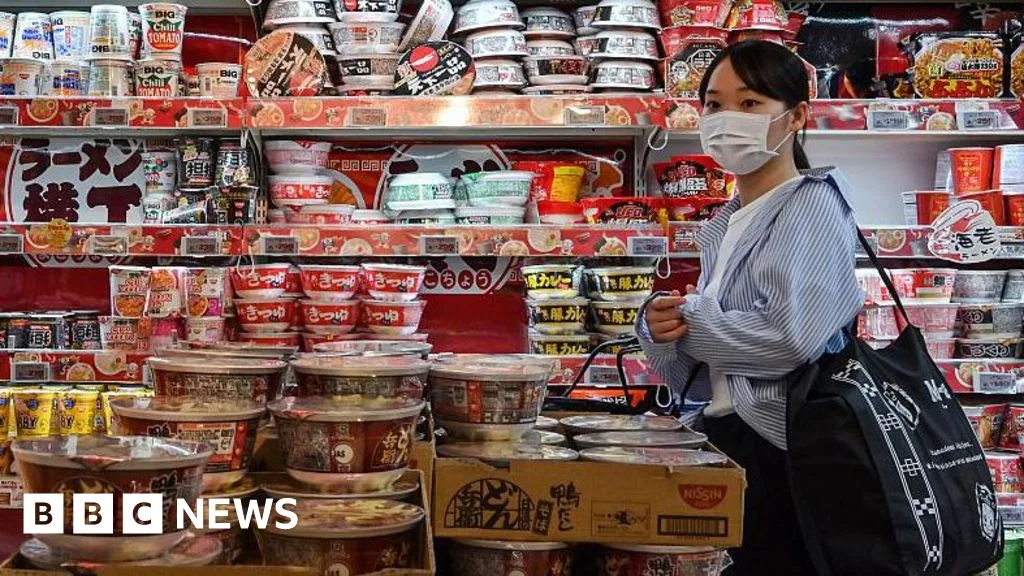
The rate hike reflects concerns over inflation pressures driven by surging energy prices linked to the Iran war and yen weakness. The BOJ said, "The price pass-through stemming from rising crude oil prices has been progressing at a relatively fast pace in business-to-business transactions, which could spread to an increase in consumer prices across a wide range of items… There is a risk of underlying inflation deviating above our price target" [3].
Japan’s annual core consumer inflation was 1.4% in April 2026, still below the BOJ’s 2% target, but wholesale inflation rose over 6% year-on-year in May, the fastest in three years [1, 3, 4, 6, 8]. The BOJ faces a trade-off, as raising rates may curb inflation but also increase borrowing costs for government and businesses [1, 8].
The hike ends a long period of near-zero interest rates lasting two decades, since the BOJ began gradual lifts in April 2024 to combat deflation and stimulate growth [1, 6]. Fund managers and economists widely expect a further rate increase by December 2026 to address inflation risks [9, 8].
The yen traded near 160 per US dollar amid the BOJ moves and currency weakness, raising speculation of potential intervention [5, 9, 10]. Meanwhile, the Japanese government is considering a temporary cut in the food consumption tax from 8% to 1%, potentially costing 4.4 trillion yen, starting April 2027 to ease living costs. LDP lawmaker Itsunori Onodera said, "Overall, we intend to effectively reduce the consumption tax on food and beverages to zero" [11].
On June 19, BOJ deputy governor Ryozo Himino said inflation risks justify further rate hikes to avoid harm to the economy [8]. The BOJ’s next policy decisions will be closely watched as inflation and currency pressures continue.