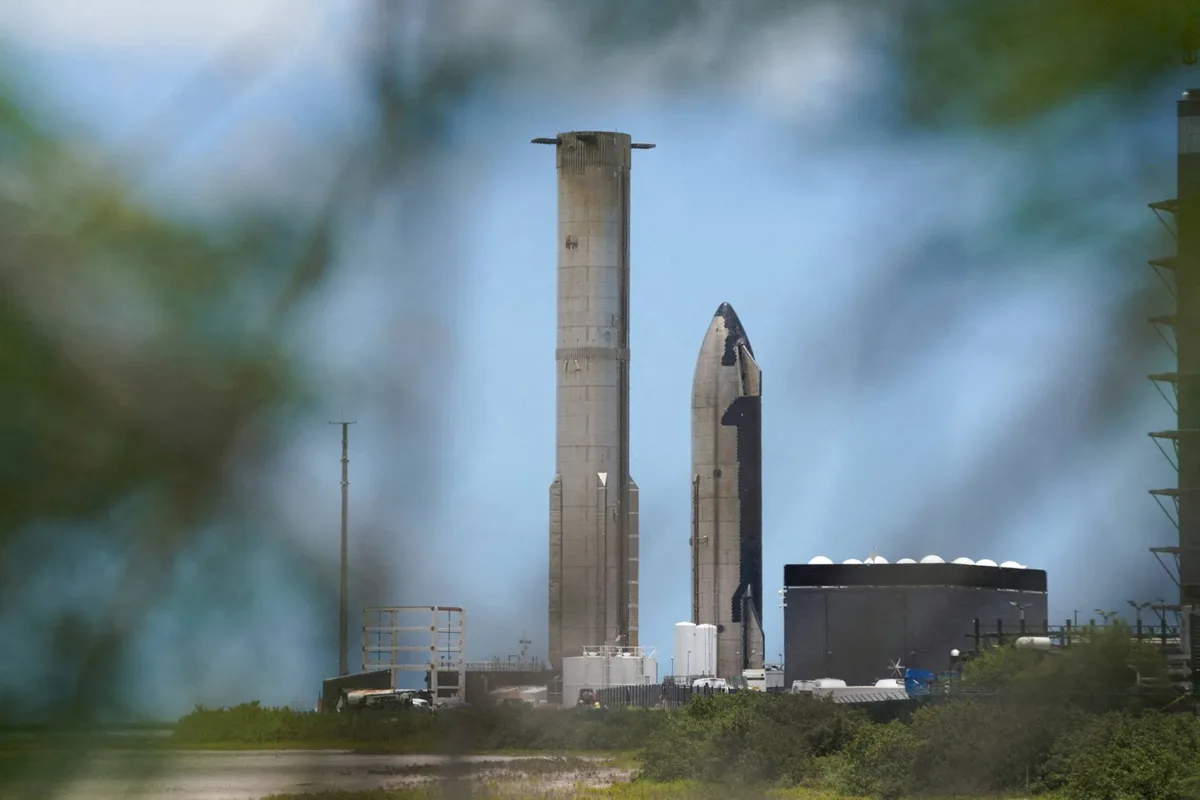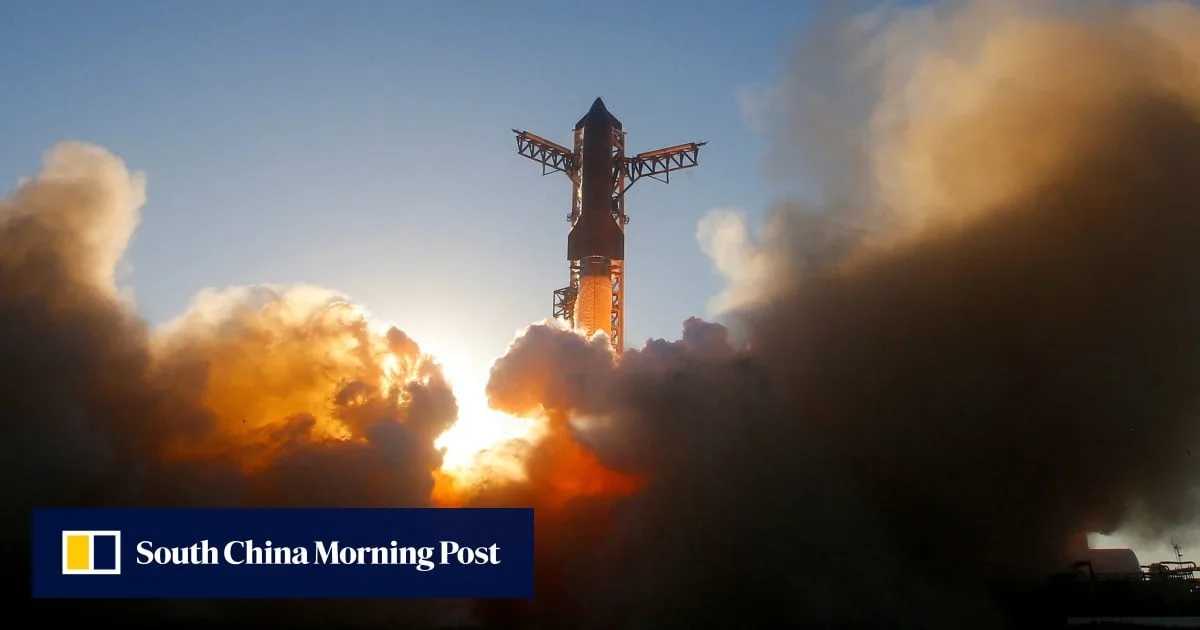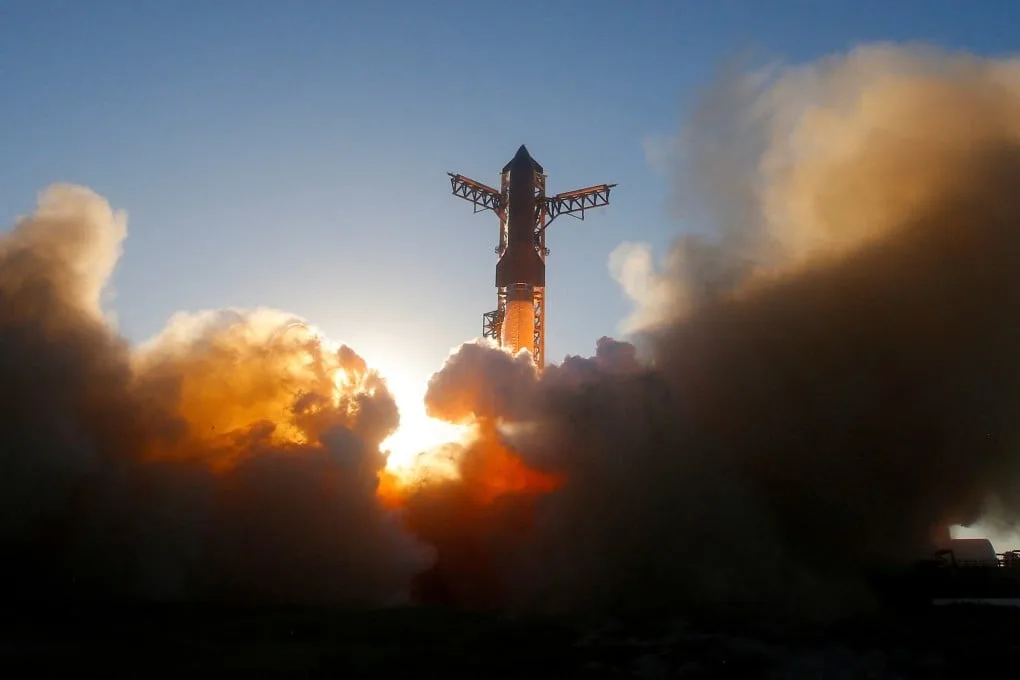
SpaceX completed a $75 billion initial public offering on the Nasdaq on June 12, 2026, setting a new high-water mark for the space industry worldwide [1, 2, 3, 4, 5]. The company's 2025 revenue neared $19 billion, with about 60% generated by its Starlink satellite broadband network, which currently operates roughly 10,400 satellites in orbit [6, 7, 5].
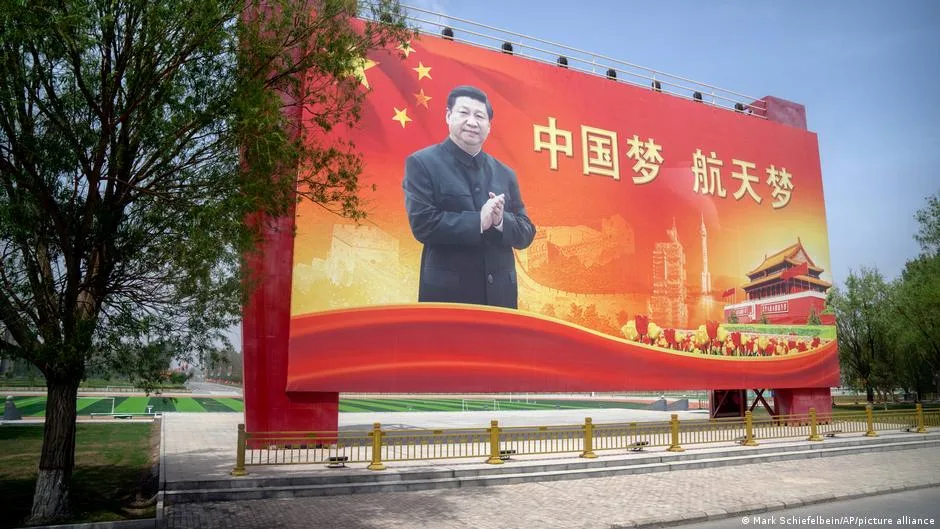
The success of SpaceX’s IPO is encouraging at least seven Chinese rocket and satellite companies, including LandSpace and CAS Space, to accelerate plans for IPOs or pre-IPO funding rounds [1, 2, 3, 6, 7, 5]. Huang Yan, co-founder of Shanghai-based Lantern Capital and an early investor in LandSpace, said, “My decade-old investment in LandSpace is generating returns of roughly 100 times as the company moves toward a public listing” [1].
China’s commercial space market is forecast by Soochow Securities to exceed US$1 trillion by 2030 [1, 2, 6, 7, 5]. However, Chinese firms face considerable technology and market gaps compared to SpaceX. None have successfully launched and recovered reusable rocket boosters, a key capability SpaceX has mastered. LandSpace, widely viewed as China’s closest private-sector competitor to SpaceX, tested its Zhuque-3 rocket in December 2025 but failed to recover the booster [1, 6, 7, 5].
LandSpace’s revenue in the first half of 2025 was 36.4 million yuan (about $5.2 million), minuscule compared to SpaceX’s total revenue [6, 7, 5]. Chinese commercial space development remains fragmented and largely dependent on government-backed satellite constellation orders such as Guo Wang and Qian Fan, which total hundreds of satellites but remain smaller than Starlink’s constellation [6, 7, 5]. A Chinese industry executive estimates it may take until around 2033 to reach Starlink’s current scale [6, 7, 5].
Experts warn the technology gap may widen as SpaceX moves to deploy its next-generation Starship heavy rocket capable of launching three times more satellites than the Falcon 9, further outpacing Chinese rivals [6, 7, 5]. Ellis Scherer of the Information Technology and Innovation Foundation called SpaceX’s moves “a bellwether for China’s space industry,” predicting a likely surge in Chinese commercial space listings and funding [1, 2, 6, 7, 5].
Analysts note Chinese companies’ growth is held back by a state-led market model. While SpaceX’s integrated Starlink system creates its own launch demand, Chinese startups rely on government satellite orders beyond their control. Consultants emphasize that China’s telecom sector is dominated by state-owned enterprises, limiting private companies’ ability to build satellite broadband businesses [6, 7, 5]. Blaine Curcio, founder of Orbital Gateway, said, “If you want to do telecom business in China, you have to know there are no private telecom companies in China” [6].
LandSpace is among the leading firms preparing for public listing as China’s private space sector develops. Their progress and upcoming IPO activity are expected to continue following SpaceX’s record-breaking Nasdaq debut.