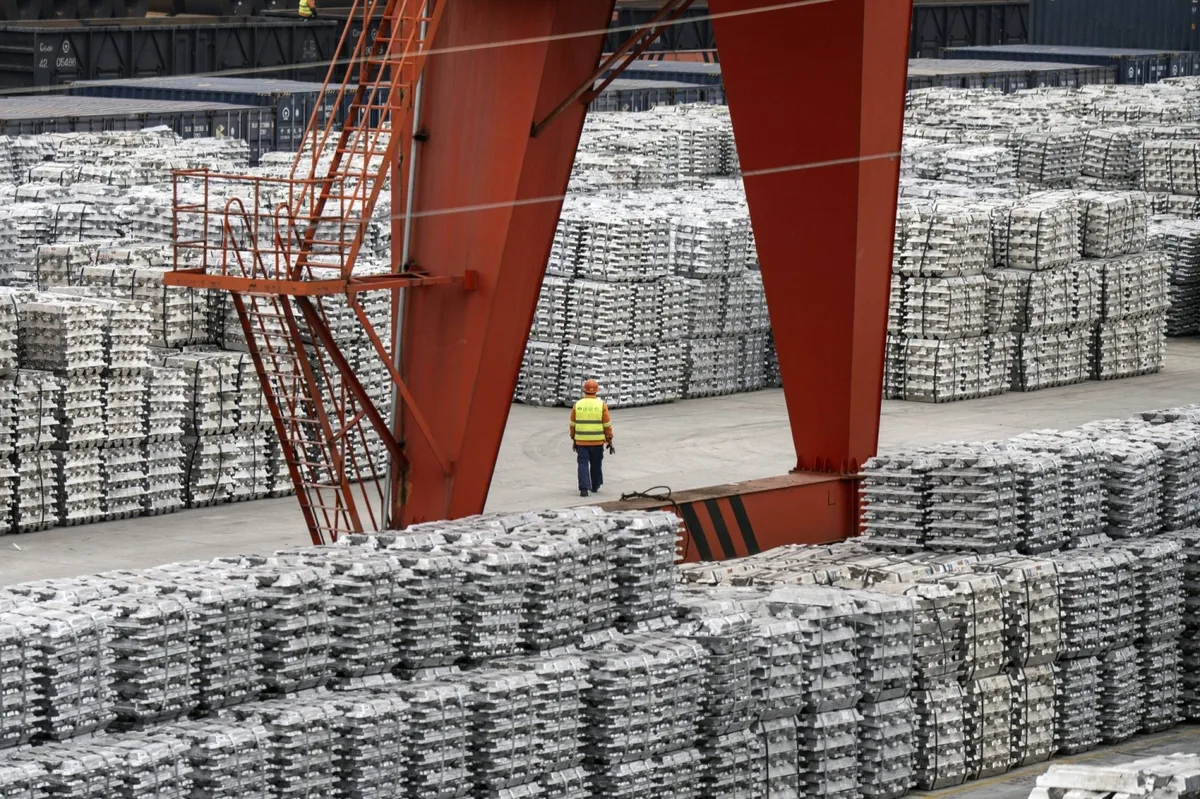
The aluminium market faced a major supply shock from the Iran war, with fears prices could exceed US$4,000 per tonne due to potential shutdowns from raw material shortages. Middle Eastern smelters, responsible for nearly 10% of global aluminium supply, carried out complex logistical operations including risky voyages through the Strait of Hormuz to replenish alumina and raw material reserves, preventing widespread closures across the region [1, 2, 3].
On June 20, 2026, Iran closed the Strait of Hormuz again, a key maritime route for raw materials vital to the aluminium supply chain [2]. Despite heavy production cuts by Middle Eastern smelters, exact output losses remain hard to gauge due to the secretive nature of their operations [1, 2, 3].
Producers in China and Indonesia played a critical role in stabilizing the global aluminium market by increasing production and exports. However, China's aluminium output remains capped by regulatory limits, while power constraints restrict growth in Indonesia, complicating efforts to rebalance supply and demand [1, 2, 3].
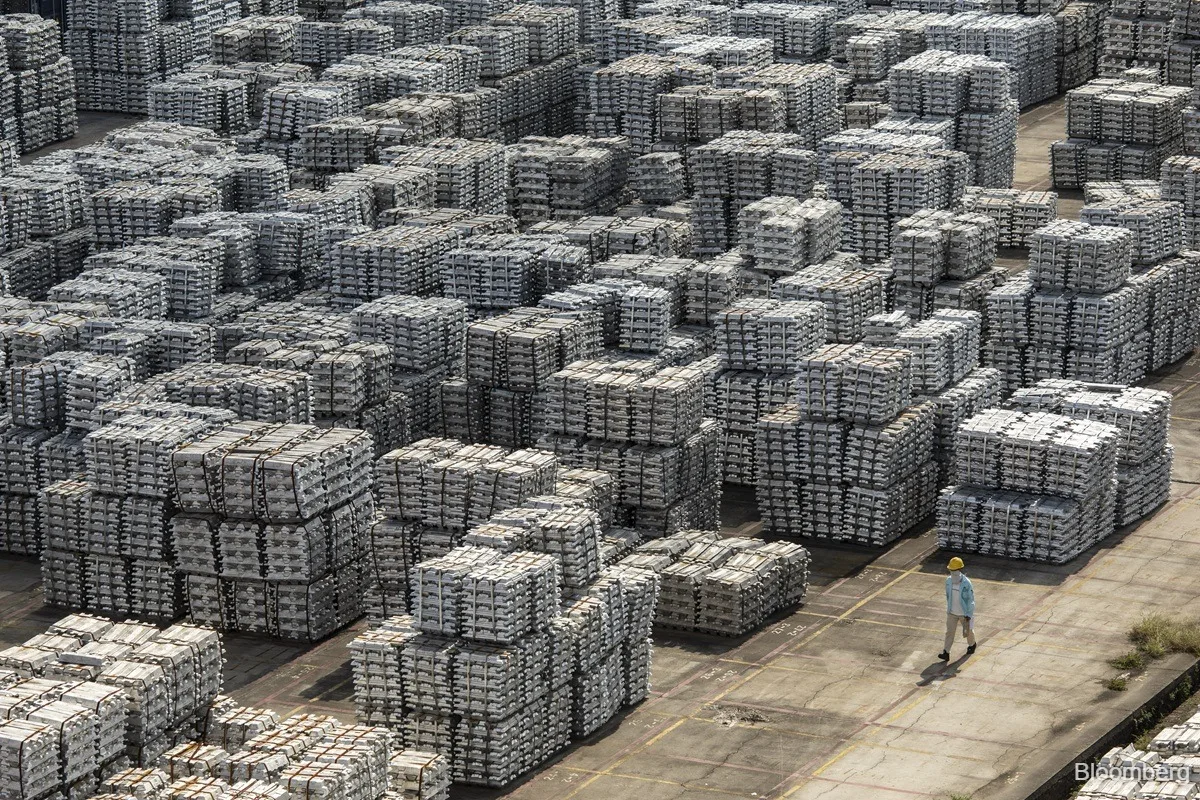
The market managed to survive recent months largely through drawing down inventories, but these buffers have thinned. Amelia Xiao Fu, head of commodities strategy at Bank of China International, said, "A full-blown physical supply freeze has been averted thanks to a combination of rerouted Middle Eastern alumina imports, rising Chinese exports, and ramping Indonesian production. While the market managed to survive the last few months by drawing down inventories, these operational buffers have now been decreased." [1]
Major aluminium bulls, including JPMorgan Chase & Co., have recently cut price forecasts, noting the $4,000-per-tonne target is being delayed due to strong Asian supply responses and inventory reductions [1, 3].
With inventories reduced and Middle Eastern production constrained, the aluminium market will closely watch developments around the Strait of Hormuz and China’s regulatory environment in the weeks ahead.