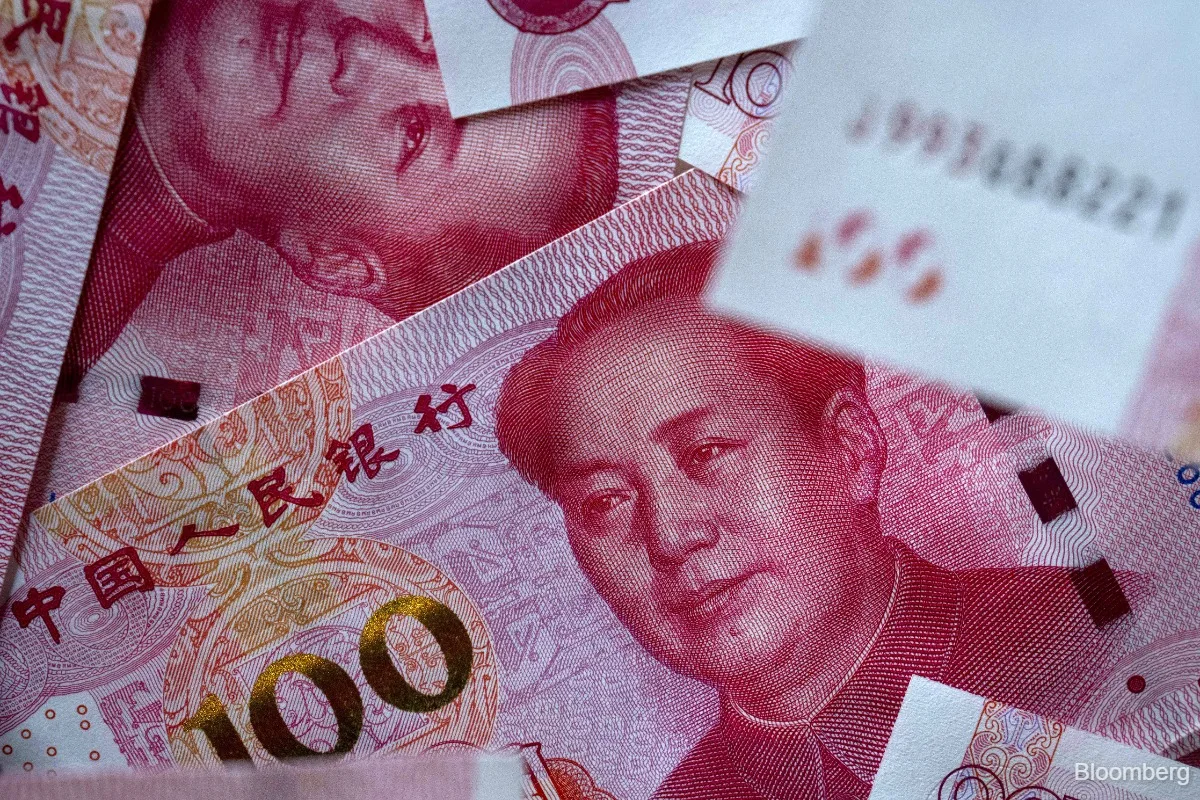
Central banks worldwide drew 111.6 billion yuan from the People’s Bank of China’s foreign-exchange swap lines by the end of March 2026, a two-year high after a quarter-on-quarter rise of 17.4 billion yuan, the steepest since 2023. [1, 2, 3, 4]
The pickup was tied to Beijing’s push to internationalise the yuan, or renminbi, and reduce reliance on the US dollar. China had signed currency swap lines with 32 countries and regions totaling 4.52 trillion yuan by the end of 2025. [1, 2, 3, 4]
The PBOC’s latest quarterly report, released late on Monday, showed the higher use of the swap lines as global payments and trade finance increasingly reference the Chinese currency. One report said the onshore renminbi had gained about 2.9% against the US dollar this year, while Swift data put the currency fifth in global payments by value in March with a 3.1% share. [2, 3, 4]
Australian miners have also been edging toward yuan financing and settlement. Rio Tinto signed its first yuan-denominated iron ore spot contract in 2019 and completed the industry’s first fully paperless yuan settlement with Baoshan Iron & Steel in 2020. Fenix Resources chairman John Welborn said earlier in May the company would be "very enthusiastic" to secure low-cost Chinese debt in yuan if that was matched with yuan-priced commodities, adding that "that would make logical sense." [5]
Lynn Song of ING said, "More usage of the swap lines suggests positive developments on the renminbi internationalisation, though this remains a long-term work in progress." [4]
Shanghai Securities News reported in early April that China’s CIPS system set a single-day transaction record of 1.22 trillion yuan, another sign of heavier use of Chinese-currency payment rails. [4]