Germany’s Finance Agency officially rejected UniCredit’s €39 billion ($45 billion) takeover offer for Commerzbank on June 16, citing an inadequate financial premium and concerns about UniCredit’s aggressive tactics [1, 2, 3]. The government maintains a stake of over 12% in Commerzbank, acquired after the 2008 financial crisis, and supports the bank’s independence due to its vital role in funding medium-sized companies and its importance to Frankfurt’s financial center [1, 2, 3].
"Accepting the offer was already not an option from a financial point of view, as it does not include an appropriate premium on the current share price of Commerzbank’s shares," the Finance Agency said [1]. UniCredit’s bid valued Commerzbank at about €39 billion but failed to offer a sufficient premium over market valuation to satisfy German authorities and shareholders [4, 2, 3].
Separately, Frankfurt prosecutors confirmed beginning a preliminary investigation into possible market manipulation linked to UniCredit’s takeover attempt, following a complaint by Commerzbank’s workers council [1].
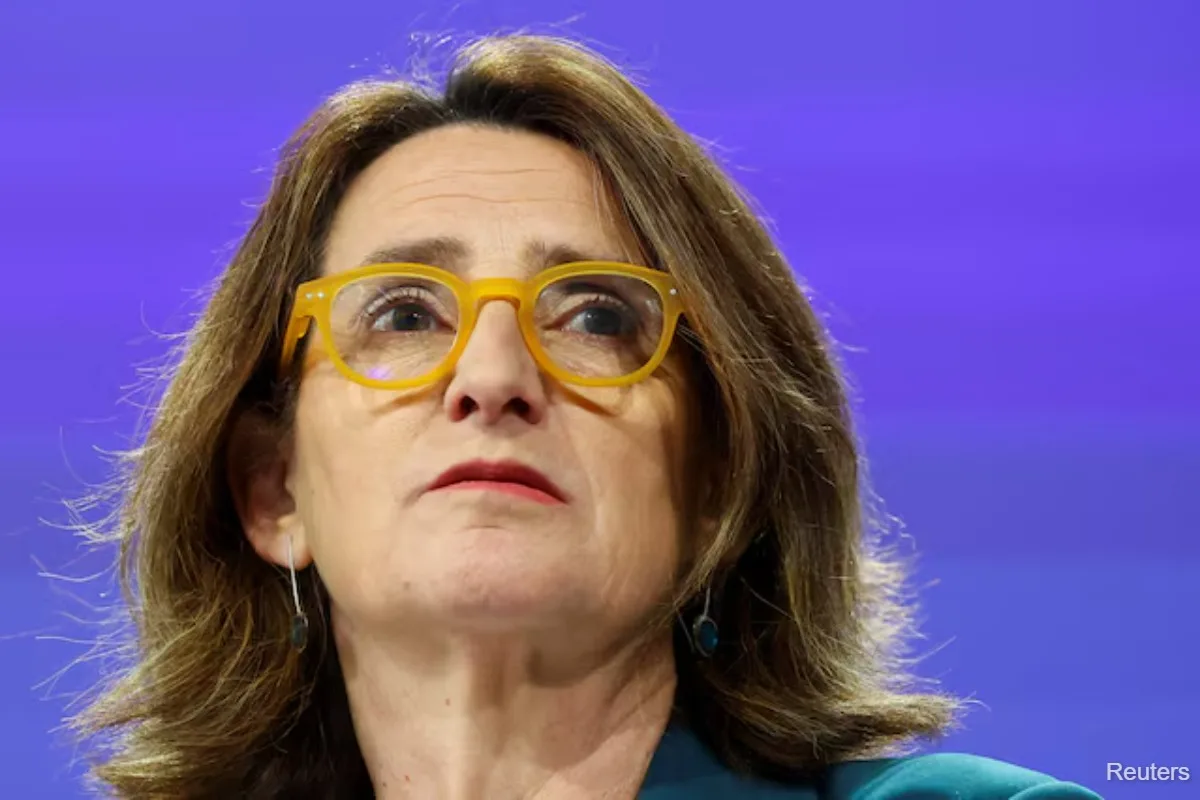
On June 17, EU antitrust chief Teresa Ribera urged EU member states to support cross-border bank mergers, calling them key to completing the Single Market and boosting Europe’s competitiveness [5]. She criticized countries that resist such deals despite calling for strong pan-European champions, saying, "It is urgently needed. Member States should applaud these deals for the overall good" [5].
The German government remains firm in backing Commerzbank’s independence and has rejected the current offer. The investigations into market conduct related to the bid will continue amid broader calls at the EU level to encourage bank consolidation.