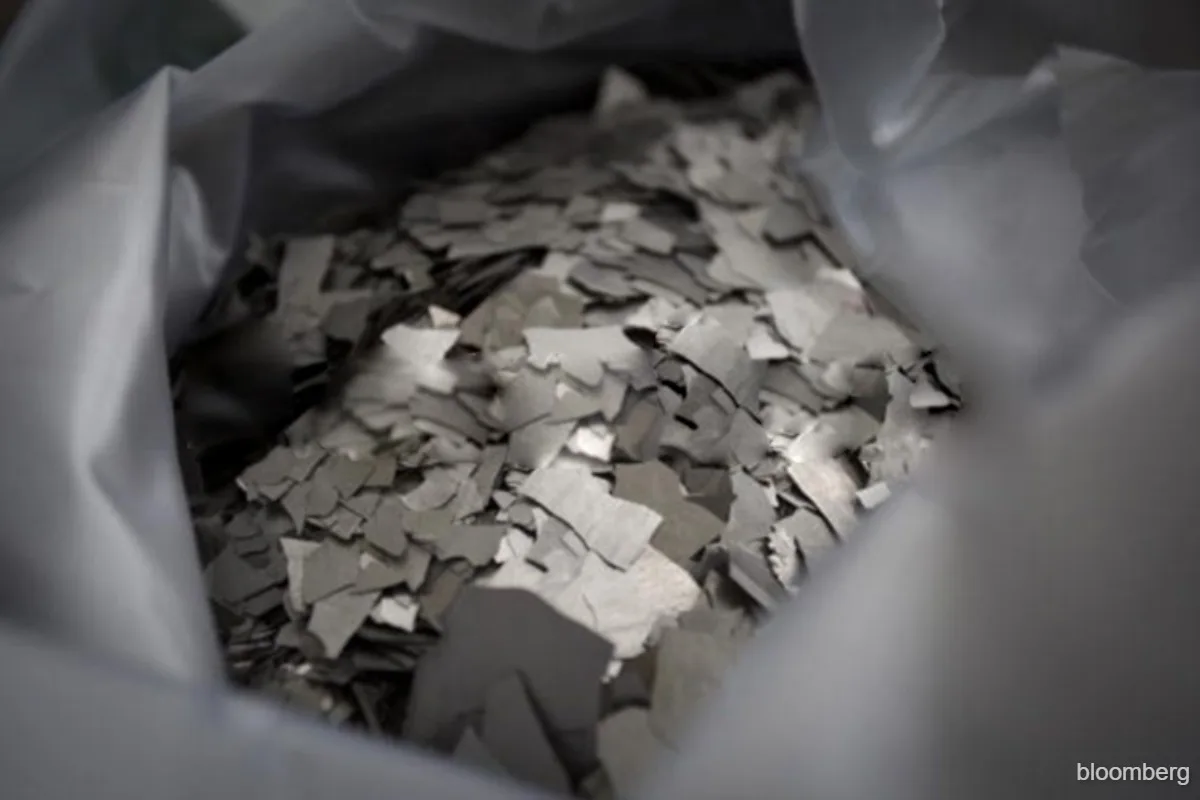
The European Union has shortlisted tungsten, rare earths, and gallium for its inaugural joint stockpile of critical minerals, part of an effort to reduce reliance on China for key raw materials. The EU's plan focuses on securing minerals essential for defence, semiconductor manufacturing, and the energy transition [1, 2].
The initiative was first announced by the European Commission in December 2025. Since then, ten EU countries have taken part in working groups to plan the stockpile, led by Italy, France, and Germany [1]. The minerals selected primarily appear on NATO's list of 12 critical defence elements, reflecting their strategic importance [1].
Magnesium is expected to join the priority list according to multiple sources, while germanium and graphite may also be included in the final mix, though these last two minerals have medium confidence levels for inclusion [1, 2]. Beyond military use, these minerals have applications in aircraft, automotive manufacturing, semiconductors, and renewable energy infrastructure [1].
The EU is in discussions with major European ports such as Rotterdam to arrange storage facilities for the stockpile [1]. France, currently holding the G7 presidency, has emphasized the goal of diversifying critical mineral supplies to strengthen strategic autonomy [1].
In parallel, talks are underway to establish a permanent secretariat that would sustain coordination and planning work between rotating EU presidencies [1]. The next major milestone will be the formal adoption and operationalization of the stockpile, expected to progress over the coming months following the initial planning phase reported in May 2026 [1, 2].