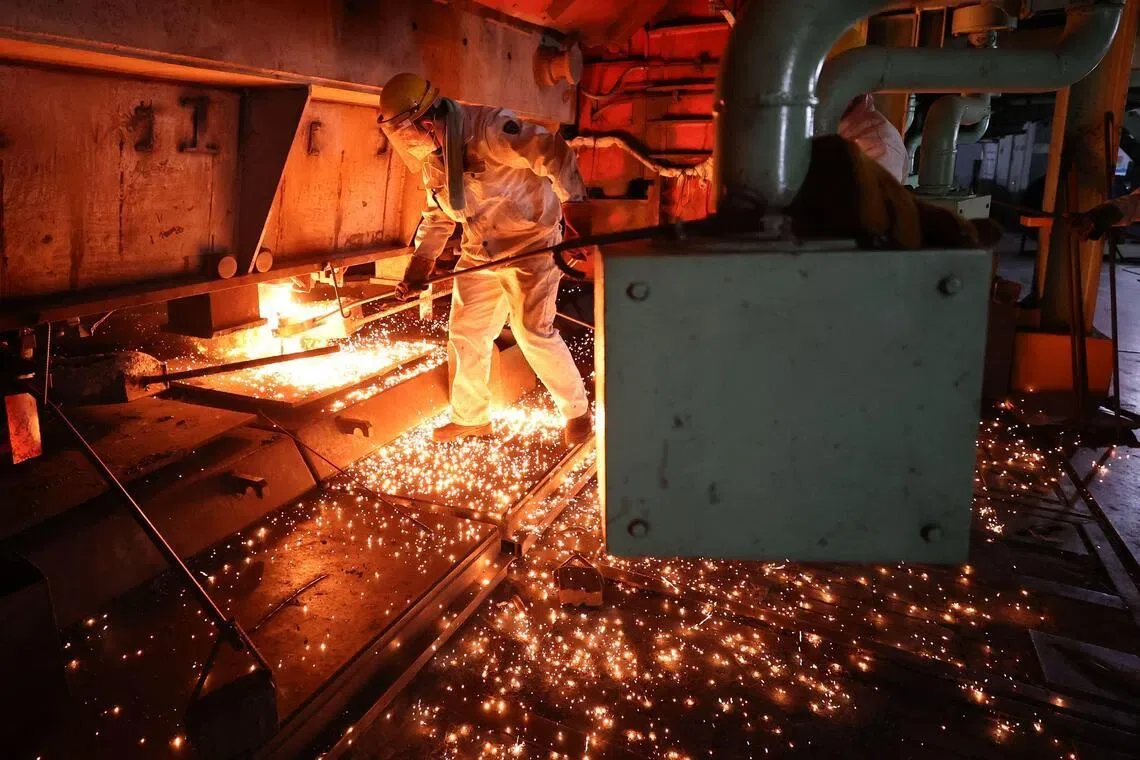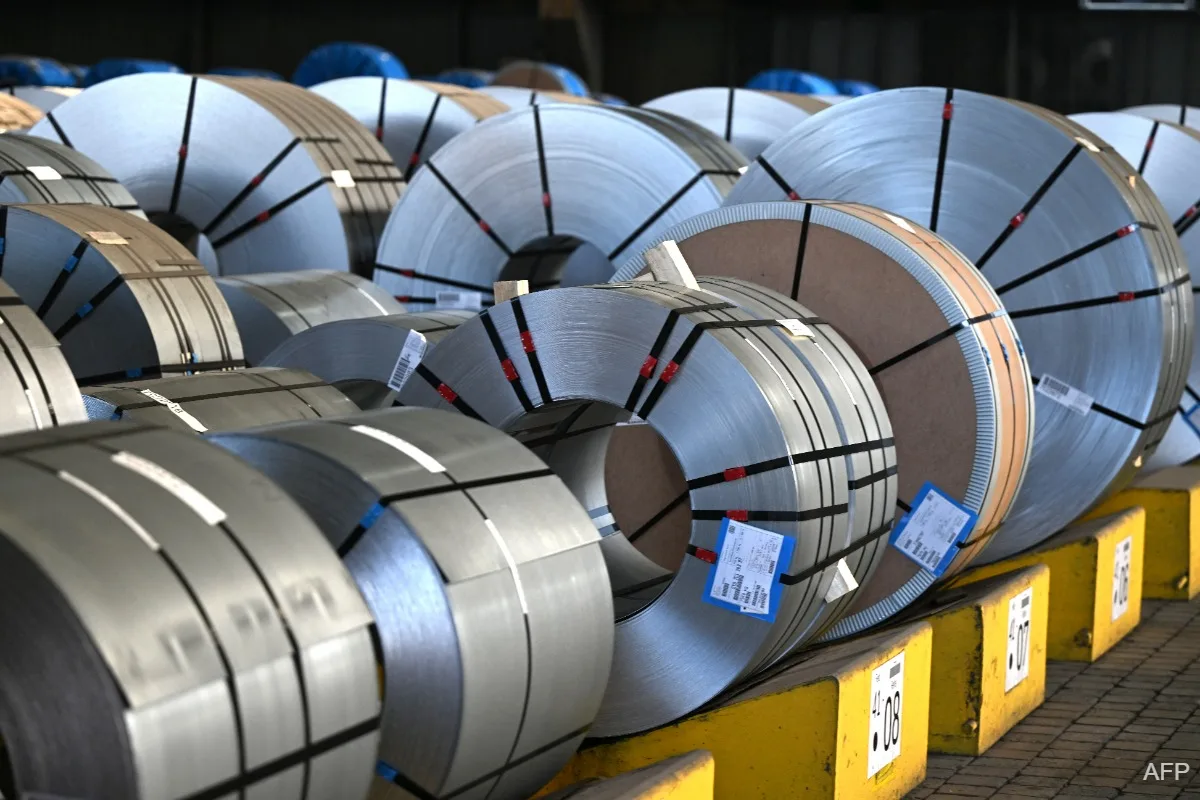
The European Parliament voted 606 to 16 on May 19, 2026, to double tariffs on foreign steel imports to 50% and reduce tariff-free import quotas by 47% to 18.3 million tonnes, a level last seen in 2013 [1, 2]. The measures follow a 2025 proposal from the European Commission aimed at protecting the EU steel sector from subsidized overproduction, predominantly by Chinese steelmakers [1, 2].
The new tariffs and quotas will take effect July 1, 2026, after final approval by EU member states [1, 2]. The tariff-free quota aligns with the EU's 2013 import volume to limit cheap steel flooding the market. EU lawmaker Karin Karlsbro said, "Europe needs a strong and competitive steel industry built on trade, innovation and fair competition. Combatting the negative trade effects of global overcapacity is essential." [1, 2]
The EU’s approach mirrors the United States’ policy under former President Donald Trump, who also imposed 50% tariffs on Chinese steel [1, 2]. The EU has meanwhile urged the U.S. to lower tariffs on European steel exports [1, 2].
Non-EU countries such as the UK and Switzerland have raised concerns about the new trade barriers. The EU is preparing specific tariff-free steel quotas for some trading partners, including Switzerland, also aiming for implementation by July 1, 2026 [2]. UK trade minister Chris Bryant called for an EU-UK steel alliance after Britain imposed similar levies, emphasizing the need for reciprocal export access: "We need to be able to continue exporting steel into the European Union, and the EU needs to be able to continue exporting into the UK." [2]
The UK nationalised Chinese-owned British Steel in 2025, with Prime Minister Keir Starmer announcing legislation for full nationalisation after the government takeover [2].
Eurofer’s Axel Eggert described the EU’s action as sending "an important signal that the EU is prepared to act to defend its industrial base, security and autonomy" amid geopolitical tensions and market distortions [2]. The new tariffs and quota restrictions are set to come into force on July 1, 2026, pending EU member states' final approvals [1, 2].