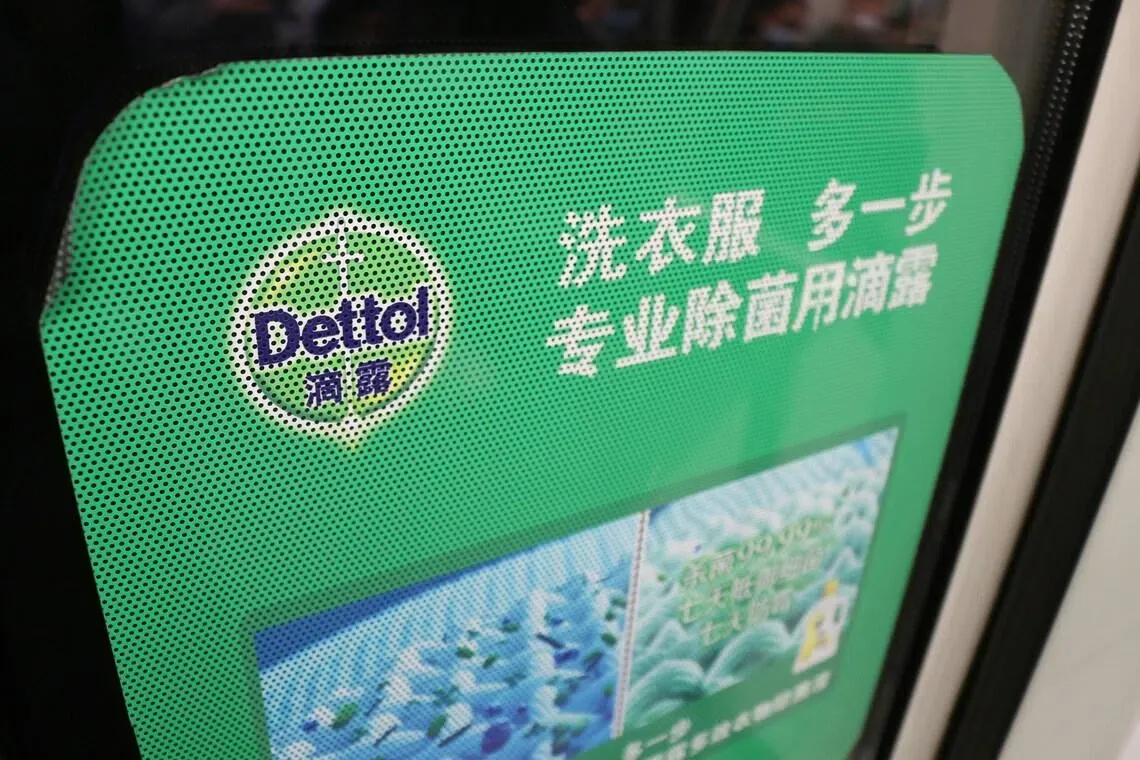
Dettol released a five-minute micro-drama style advert in China in late May 2026 promoting a multipurpose disinfectant, featuring a man seeking a "clean" and "untouched by other men" partner [1, 2, 3, 4, 5]. The advert’s plot showed his girlfriend calling out his misogyny and breaking up with him, with Dettol presented as a solution to 'toxic men' like bacteria [1, 2, 3, 4, 5].
The advert quickly sparked widespread outrage on Chinese social media. Many criticised it for sexism, objectifying women, and inappropriately comparing women’s "purity" to disinfectant effectiveness. Some called it "vulgar" and "trashy," questioning how it passed internal reviews before release [1, 2, 3, 6, 4, 5]. Commenters on Weibo expressed anger and pledged boycotts, with one user writing, "What a trashy advertisement. It's left me speechless," and another saying, "I will never use Dettol again" [1, 3].
Dettol, owned by British company Reckitt, said the advert was produced by a third-party agency but accepted responsibility for negligence in content creation and review [2, 3, 4, 5]. The company issued a public apology on June 22, acknowledging the offence caused particularly to women, and said circulating snippets distorted the original message which aimed to challenge gender stereotypes [1, 7, 2, 3, 4, 5]. Dettol stated, "We recognise that it has offended many people, especially women. We take responsibility for any negligence in creating and reviewing the content of the advert" [1].
The advert was removed from all platforms by June 21, 2026, following the backlash [2, 4, 5]. By June 23, the campaign topic had attracted over 80 million views on Weibo, reflecting the scale of public reaction [3, 4].
Internet industry observer Liu Dingding commented, "Dettol’s campaign highlighted the risks of using controversial social issues in advertising but failed to anticipate public backlash" [2]. Some reports suggested the campaign may violate Chinese advertising and women’s rights laws, potentially exposing Dettol to fines up to 1 million yuan and damaging its reputation [2].