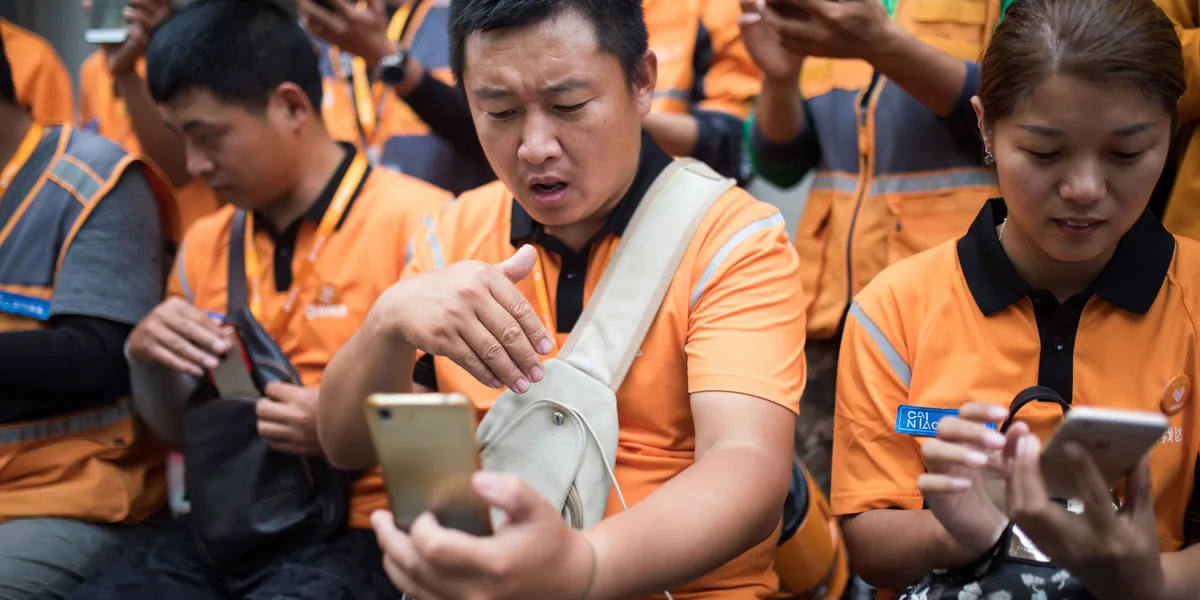
On January 1, 2023, four deaf food delivery riders were observed at a food festival in Nanjing confidently waiting for orders, chatting in sign language, and expressing pride in their work and equipment [1]. One rider invested 10,000 yuan ($1,450) in a speedy electric bike, a significant expense reflecting his commitment to the job [1]. Another earned 9,000 yuan the previous month and aimed to save for his own electric bike [1]. A third planned to deposit savings in the bank, give money to his parents during Chinese New Year, build a house, and get married [1].
Many of the deaf riders previously worked in low-skill, low-pay jobs such as factories, construction sites, dishwashing, and garment manufacturing, where they often faced exhausting conditions and lower wages than hearing workers despite similar output [1]. One rider, Cui Hao, age 25, described a decade of grueling labor: "At 18, I washed dishes. At 19, I worked in clothing manufacturing. At 20, I went to a construction site, 120 yuan a day, 14 or 15 hours, exhausting. At 21, I washed cars in Linyi. At 22, back to construction. At 23, garments in Changshu. At 24, I worked as a food runner. I hated every job I did" [1].
Unlike many hearing delivery riders who view the gig work as temporary and low status, deaf riders tend to place high value on their work and gain significant confidence from it [1]. Deaf workers said that some factories justify paying them lower wages by framing their employment as a charitable act, rather than fair compensation [1].
The move into food delivery work has allowed the deaf riders to improve their socioeconomic standing and plan for the future with more optimism than before. The electric bike purchase and savings goals mark tangible steps toward financial independence and stability [1]. The riders continue to build their businesses and incomes in Nanjing's gig economy.