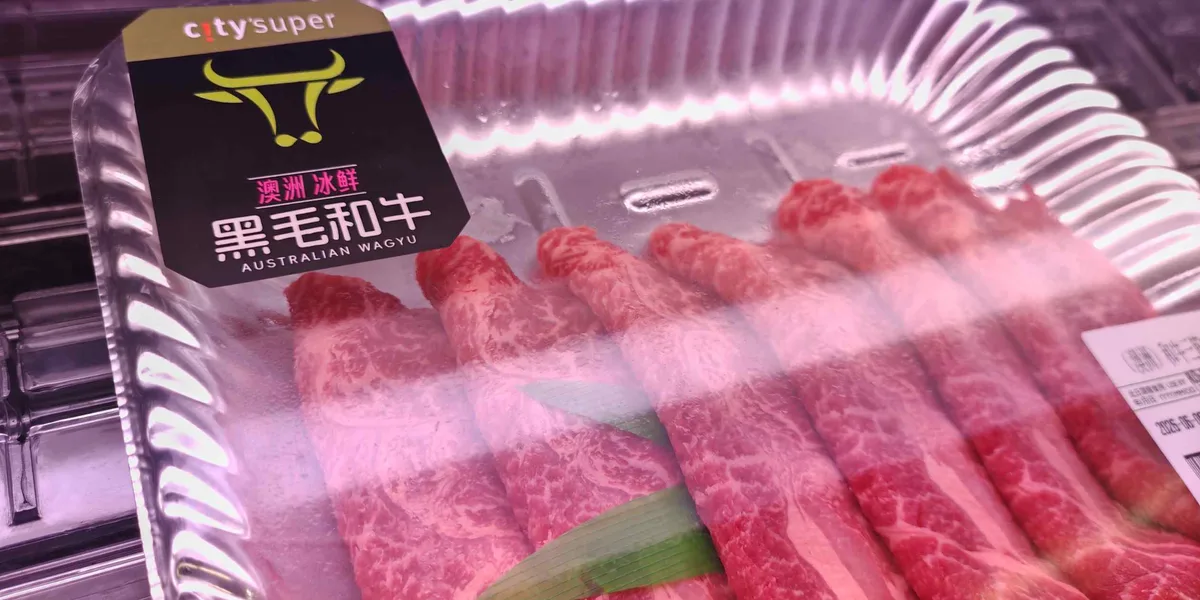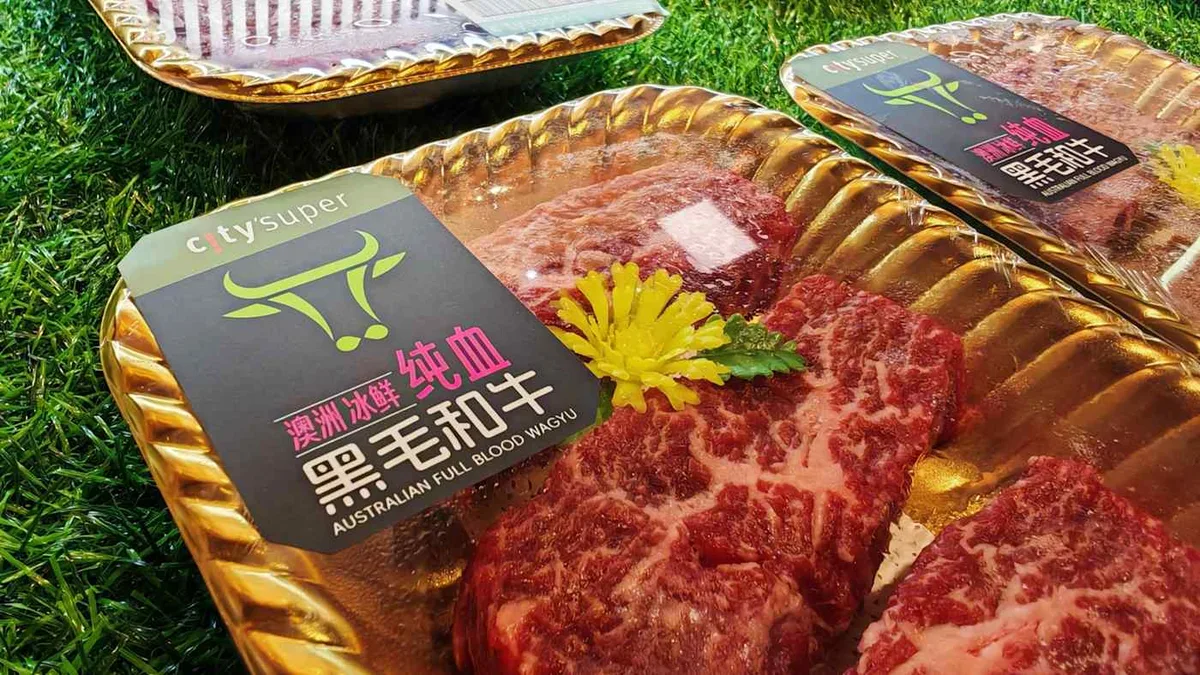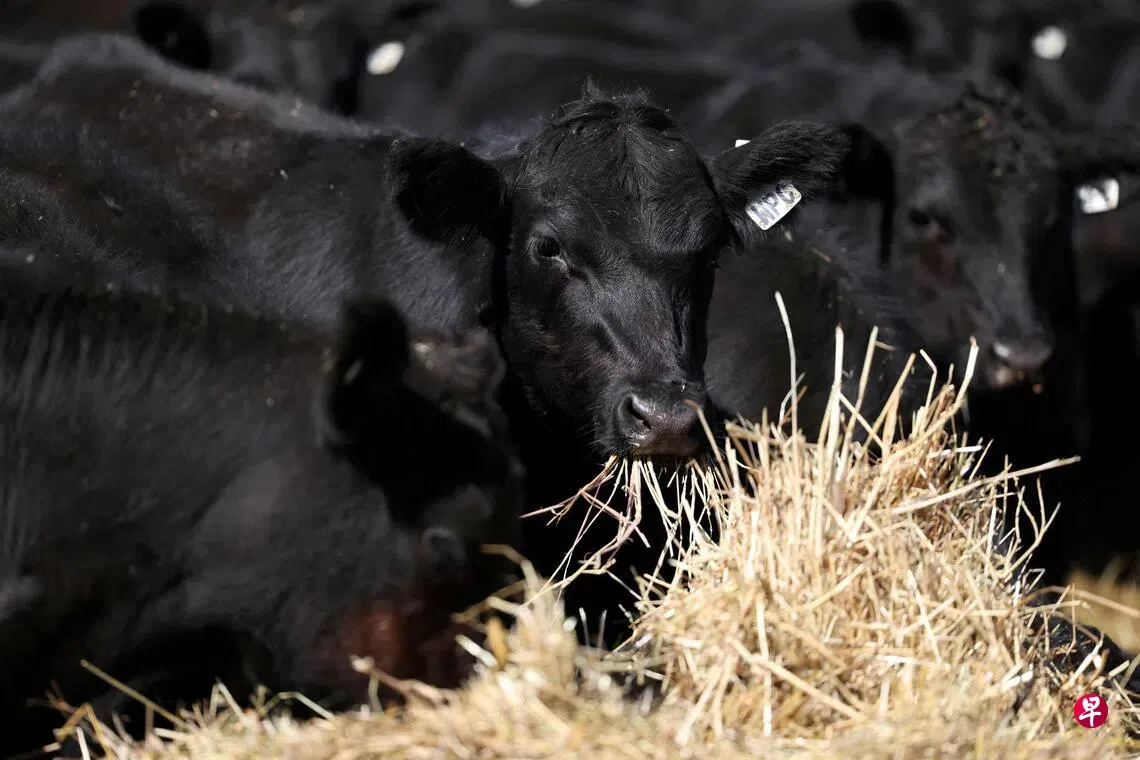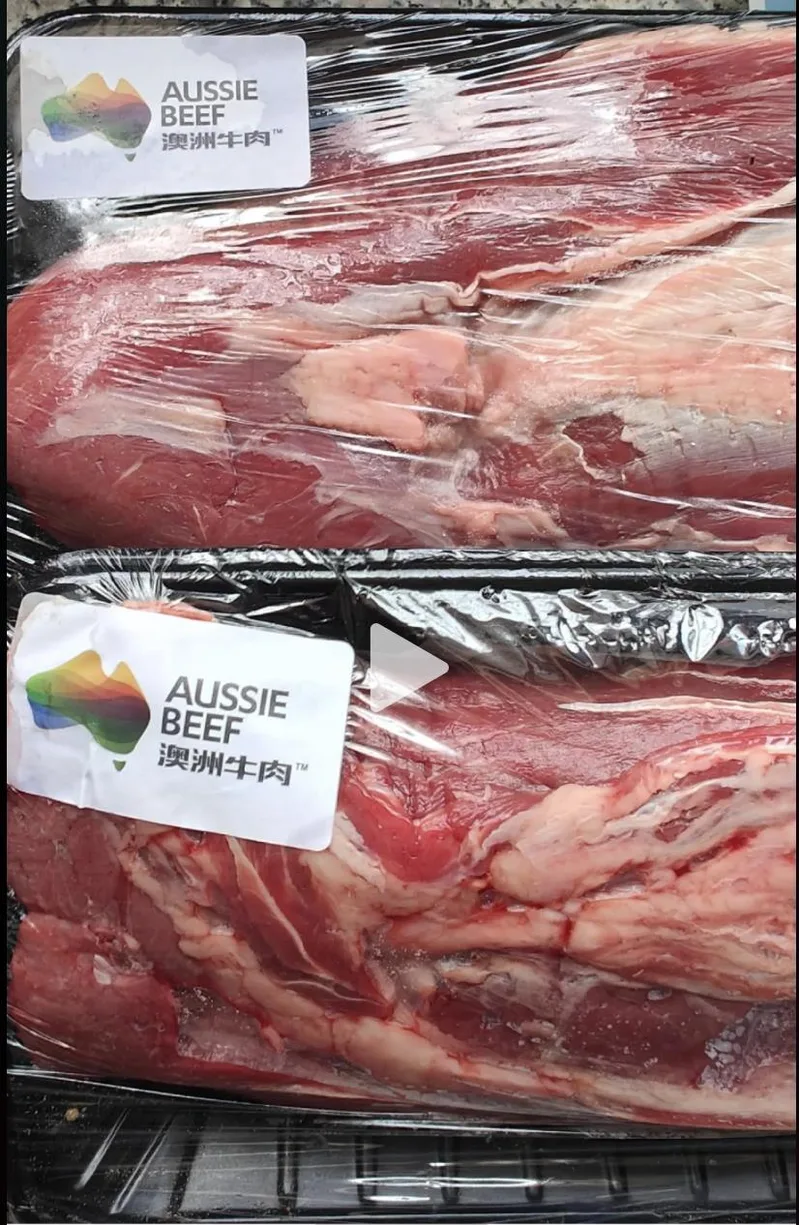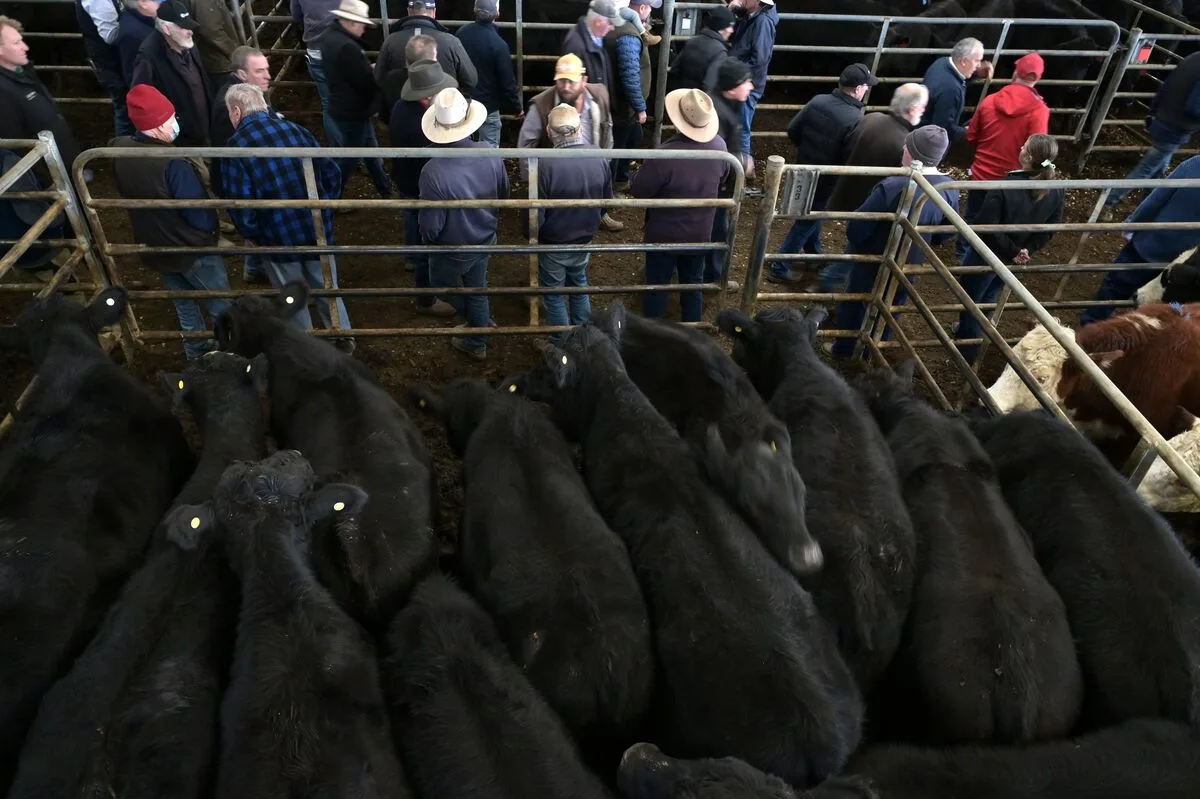
China imposed a 55% additional tariff on Australian beef starting June 20, 2026, following the exhaustion of the annual import quota set for Australian beef imports into China [1, 2, 3, 4, 5, 6, 7, 8]. The quota of 205,000 tonnes was reached on June 18, triggering the additional tariff, which is applied on top of existing duties three days after the quota limit is hit [3, 5, 6, 7, 8].
The quota and extra tariff measures were introduced by China in December 2025 as part of a three-year beef import safeguard policy. This policy enforces country-specific quotas and tariffs on imports from major beef exporters, including Australia, Brazil, and Argentina [1, 2, 3, 7, 8]. China's overall beef import quota under these measures is 2.688 million tonnes annually [8].
Australian beef exports to China reached over 300,000 tonnes in 2025, a six-year high driven by strong Australian production and increased Chinese consumption [2, 3, 7]. Despite this export growth, Beijing has so far shown little indication of lifting the Australian quota, despite lobbying efforts by Australian officials [1, 2, 3, 7, 8].
Australian Meat Industry Council CEO Ryan said, "Reaching the quota limit is a significant milestone that will have an immediate impact on Australian exporters. The quota allocated to Australia does not reflect market demand or the long-term trade relationship. The significant tariff increase will severely affect trade flows and consumers’ access to safe, reliable Australian beef" [7]. Industry groups view the quota and tariff as a major challenge to trade flows with China.
China is Australia's largest trading partner and the biggest importer of Australian commodities including beef [6]. Brazil may also reach its own beef export quota to China before mid-2026, though that remains less certain [2].
The additional 55% tariff on Australian beef imports will likely remain in place through 2026 at least [7]. This marks a continuation of China's efforts to protect local farmers and limit imports from top exporters while enforcing the new trade safeguards announced in late 2025.
China will monitor beef import volumes and tariffs as the safeguard period continues, with the next quota evaluation expected as part of the three-year policy cycle. Australian exporters will be watching closely for any sign of quota adjustment or tariff relief.