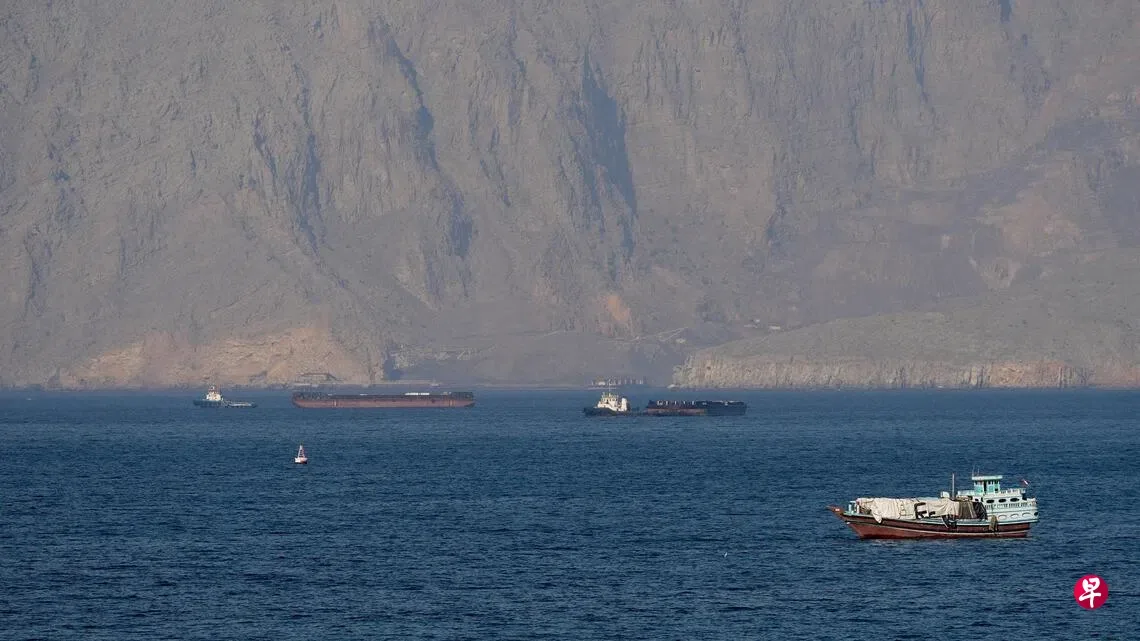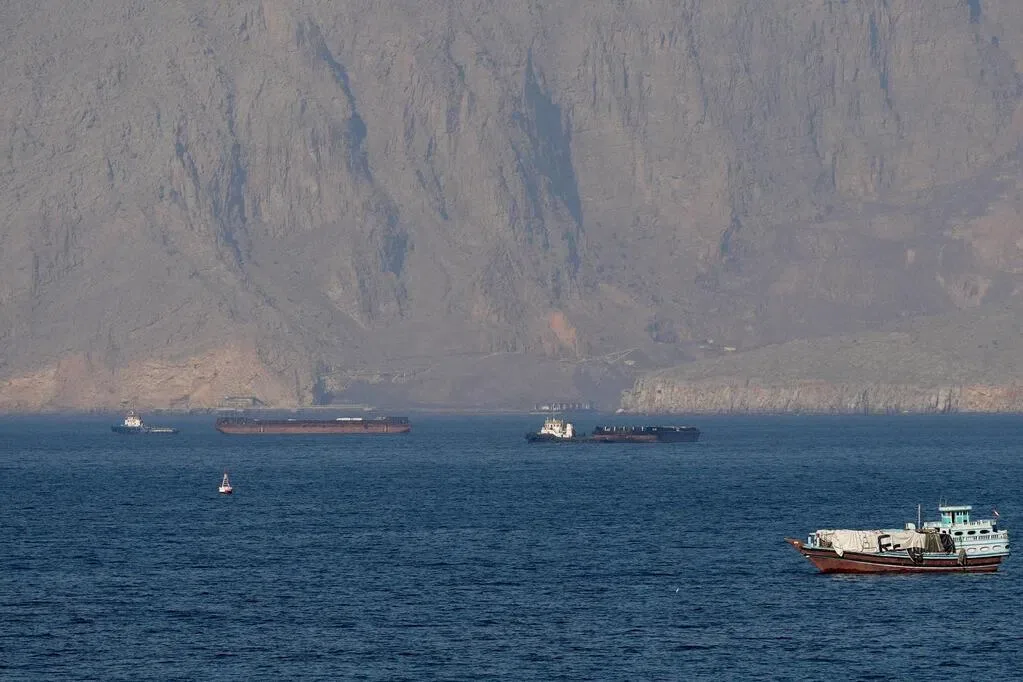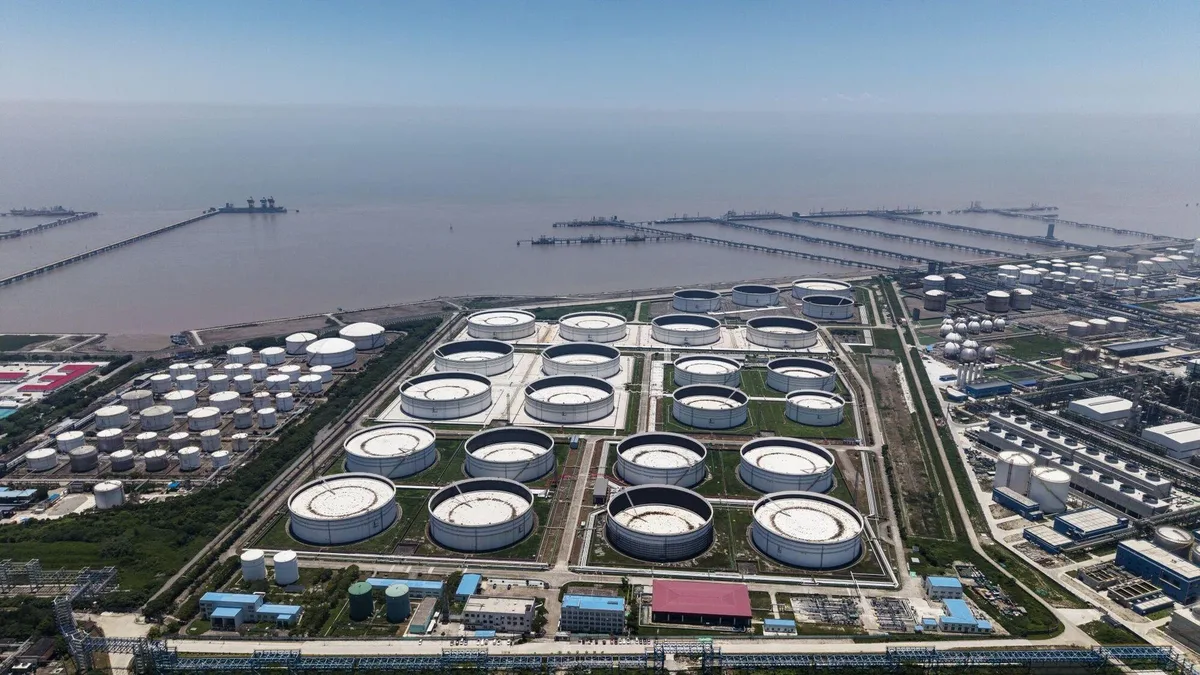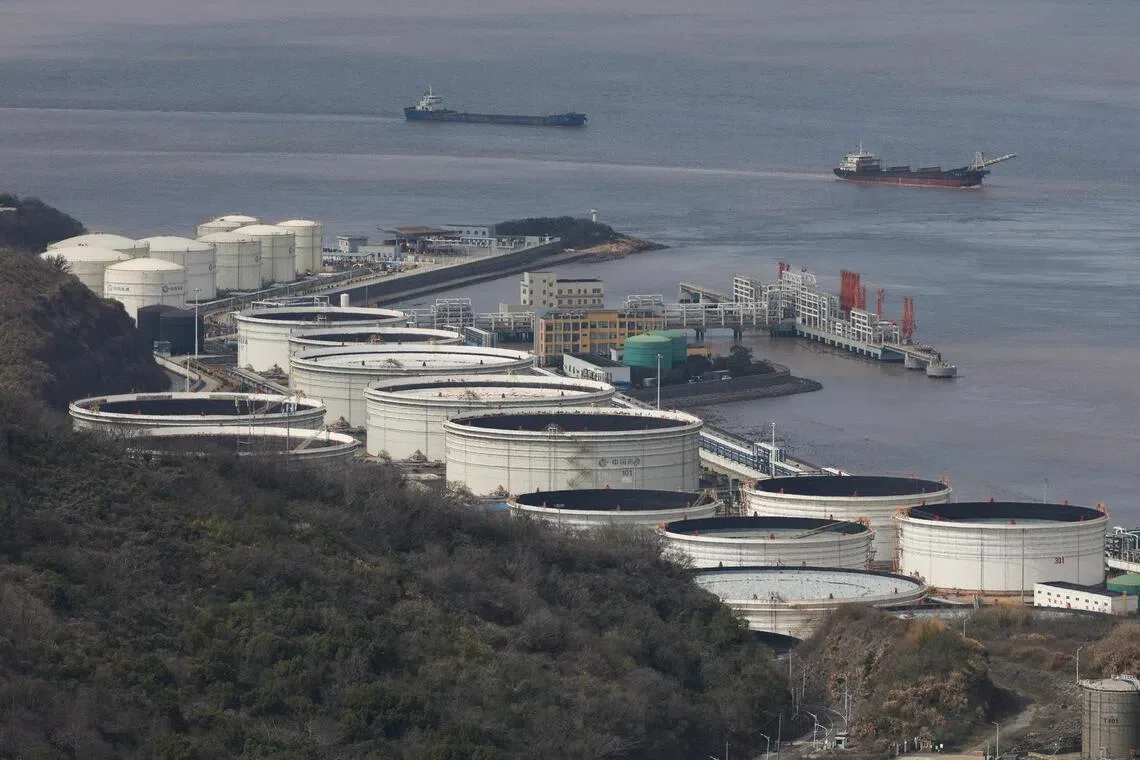
China has started tapping its commercial crude oil reserves to offset supply shocks caused by the Iran war and near-total closure of the Strait of Hormuz [1, 2, 3]. Inventory draws are expected to average about one million barrels per day in the coming months, roughly a third of the crude oil China no longer receives due to the conflict [1, 2, 3].
China's combined commercial and strategic crude stockpiles total about 1.2 billion barrels [1, 2, 3]. Satellite data shows that between May and June 7, China drew down nearly 25 million barrels from commercial reserves, according to Energy Aspects estimates [1, 3]. The country has also reduced refinery processing rates to record lows and curtailed fuel exports to preserve domestic supply during the crisis [1, 2, 3].
Emma Li, lead China market analyst at Vortexa, noted that "China’s transport system has become structurally more flexible than in previous oil shocks," with rapid adoption of electric vehicles (EVs) contributing to a fuel demand drop of about one million barrels per day this quarter [1, 3]. Li added, "The rapid adoption of EVs has contributed to a drop of about one million barrels a day in fuel demand this quarter." This structural change in demand has helped ease pressure on oil consumption amid supply disruptions.
China has refrained from aggressively buying on international markets to replace lost barrels and may keep imports subdued for months to help ease pressure on prices [1, 2, 3]. Despite the supply disruption, the global benchmark Brent crude price has increased less than a third since the onset of the Iran conflict [1, 2, 3].
US Energy Secretary Chris Wright remarked on June 9 that China’s release of reserves and decline in refinery processing rates represent a crisis response rather than a permanent shift. He said, "They were building a strategic petroleum reserve, now they’ve stopped building, they’re releasing some from their reserves. They have turned down their refineries, so that’s producing less products. That’s in response to a crisis, that’s not a permanent change." [1, 3]
Meanwhile, geopolitical tensions escalated after the US launched new attacks on Iran on June 10. Iran responded by suspending all ship passages through the Strait of Hormuz [2]. Following these events, US West Texas Intermediate (WTI) crude prices rose over 2% on June 10 and briefly surged 4% on June 11, trading above $93 per barrel. Brent crude closed near $93 on June 10 [2].