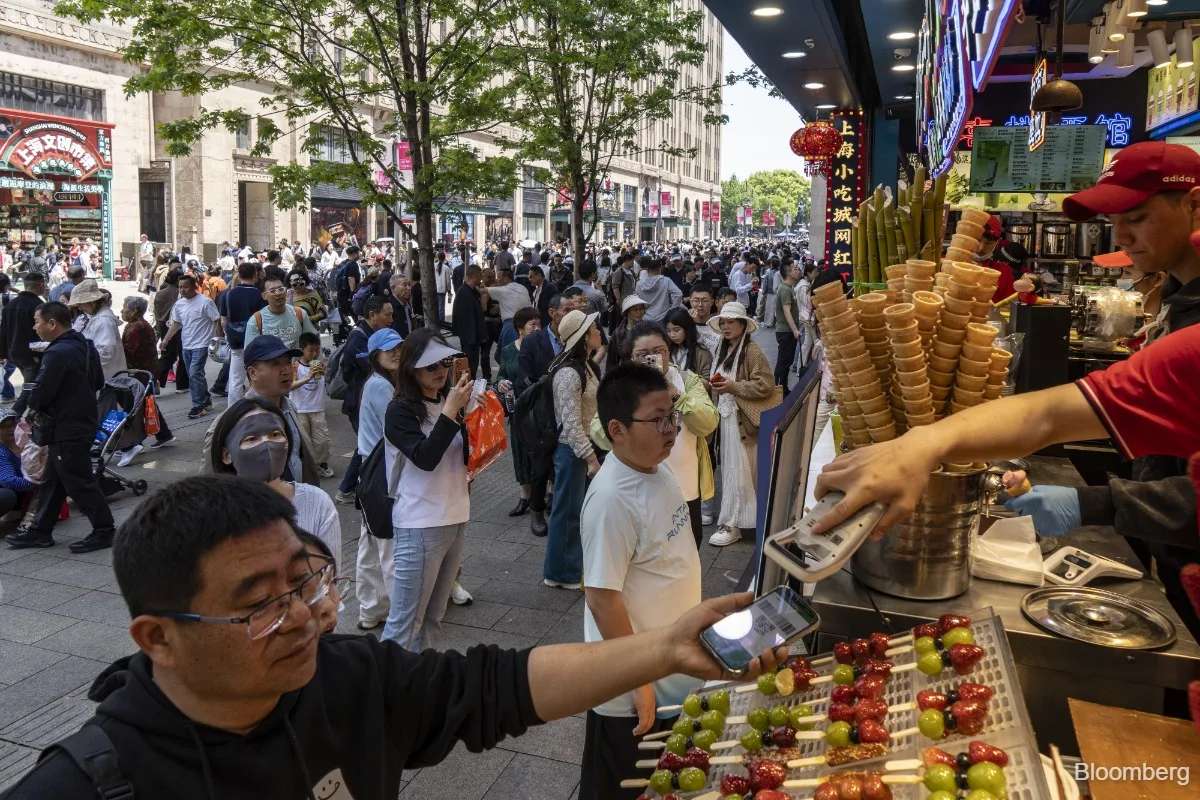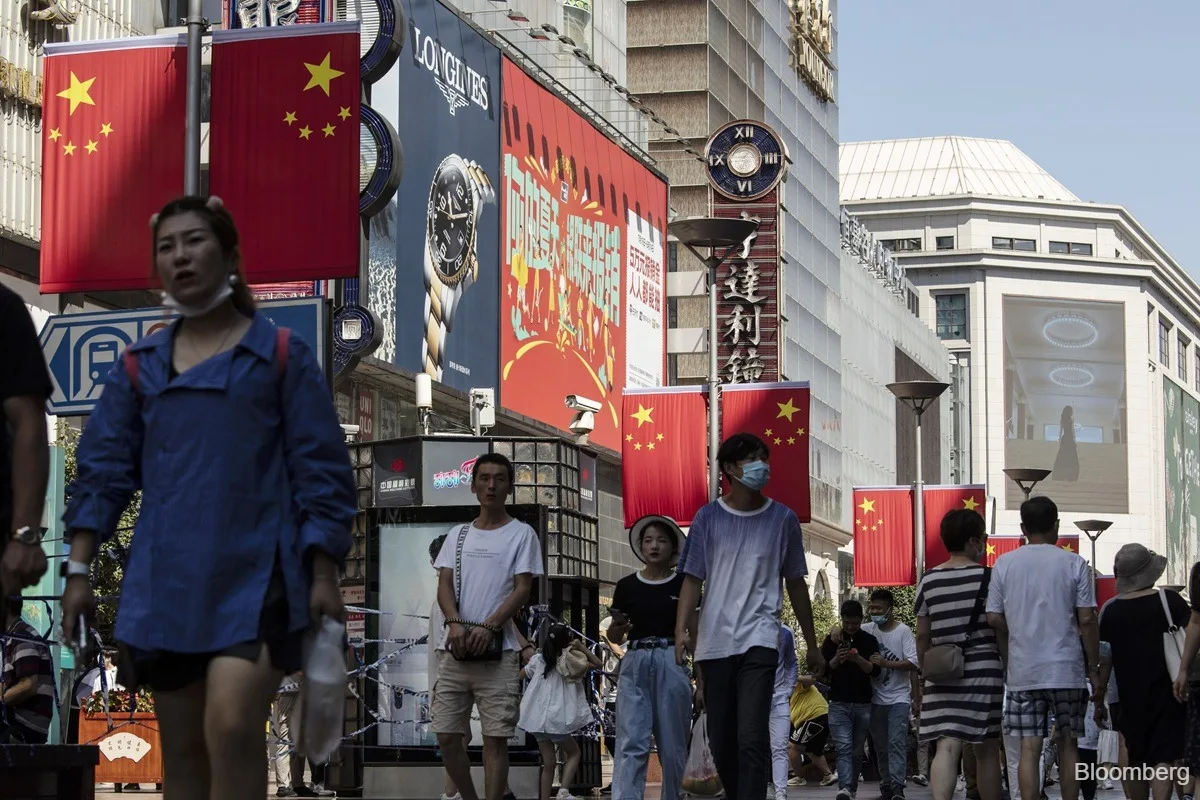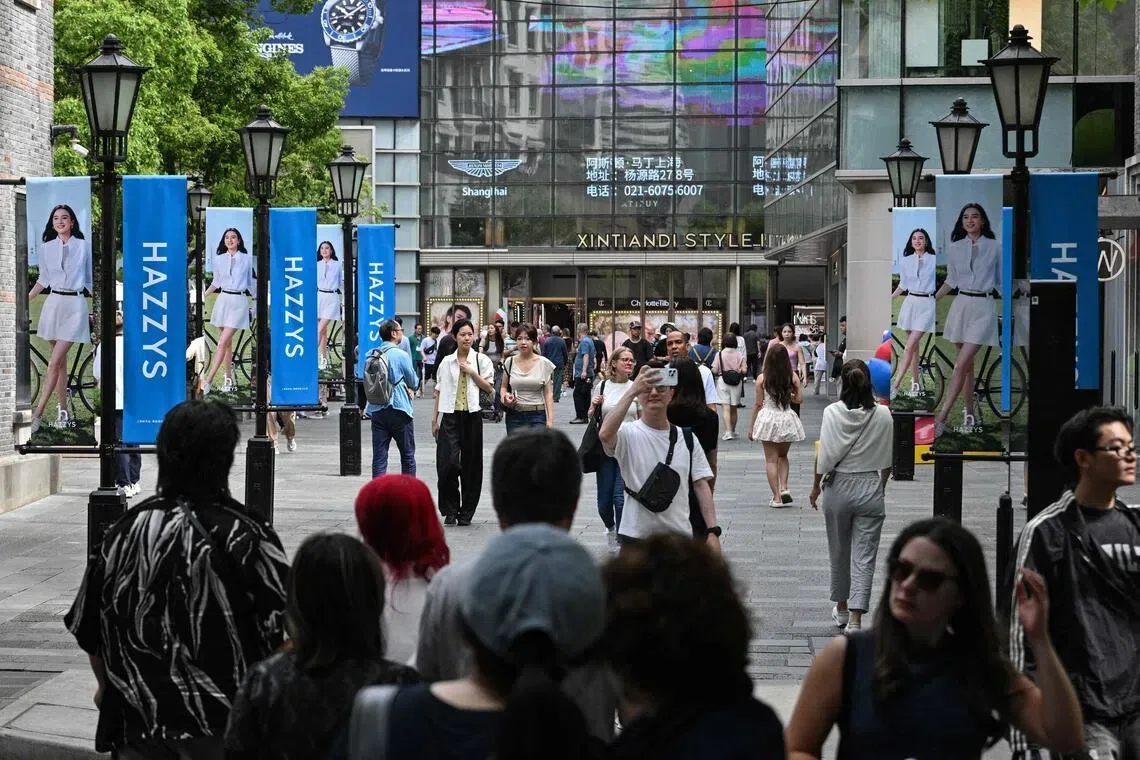
China's retail sales dropped 0.6% year-on-year in May 2026, marking the first monthly decline since December 2022 and worse than expected after a 0.2% rise in April [1, 2, 3, 4, 5]. The drop reflects weak domestic demand amid a fragile jobs market, rising inflation, and a prolonged property slump [6, 2, 3, 7, 4, 5]. Lynn Song, chief economist for Greater China at ING Bank, said, "Soft Chinese domestic activity data is likely an omen of decelerating growth in the second quarter, even as external demand remains strong." She added China still has room for monetary easing if needed [6].
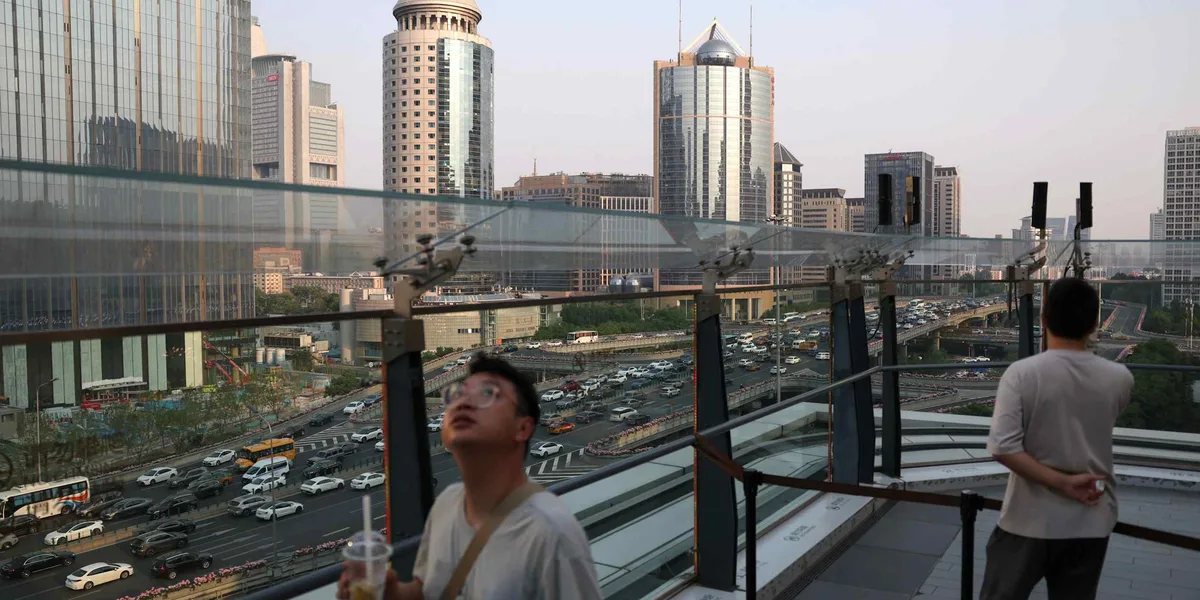
Urban fixed-asset investment including real estate and infrastructure contracted 4.1% in January-May 2026 compared with last year [2, 3, 4, 5]. Property investment fell 16.2% in the same period, worsening from a 13.7% decline through April [2, 4, 5]. Manufacturing fixed-asset investment also shrank for the first time since December 2020 [4, 5]. Infrastructure investment rose just 0.6% year-on-year during January-May 2026 [4, 5]. The government reduced public spending in March and April amid slower bond sales [3].
Industrial production rebounded strongly in May, expanding 4.5% year-on-year and beating expectations after April’s 4.1% gain [2, 3, 4, 5]. The urban unemployment rate eased slightly to 5.1% in May from 5.2% in April [2, 3, 4, 5]. Chinese exports remained robust in April and May, supported by demand for AI and renewable energy products despite geopolitical tensions in the Middle East [3, 4, 5].
The National Bureau of Statistics noted the external environment is "increasingly complex and volatile" and that the domestic imbalance of strong supply and weak demand remains pronounced, with some companies under significant operational pressure [3, 4, 5]. The agency said an increase in economic output requires "development of new technology and greater employment support" [4].
Higher energy prices resulting from the Iran conflict add downside risks to inflation and growth prospects [6, 7, 4, 5]. Consumer inflation remains subdued despite rising factory-gate prices, indicating weak pricing power for firms [2, 5].
China's economy shows a "K-shaped" recovery pattern, with strong export and industrial output contrasting with weak consumption and property sectors [1, 2, 4]. Consumer stimulus policies like trade-in schemes have had limited and fading effects on spending [6, 2, 3].