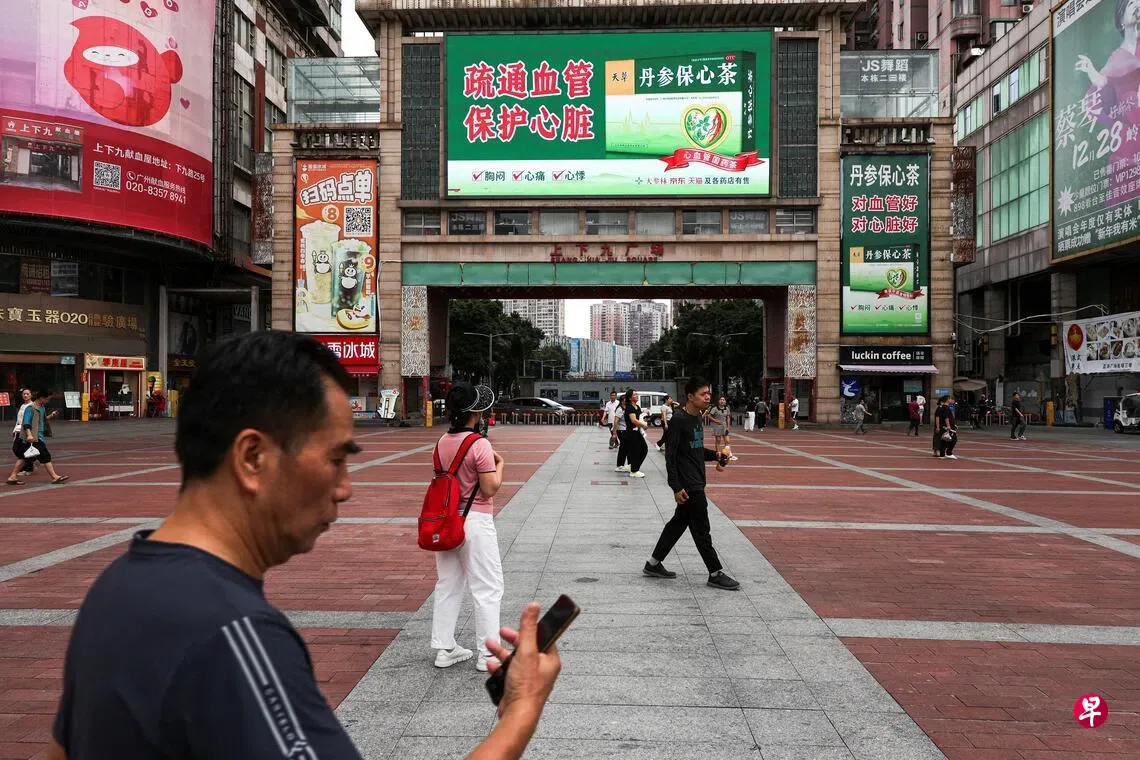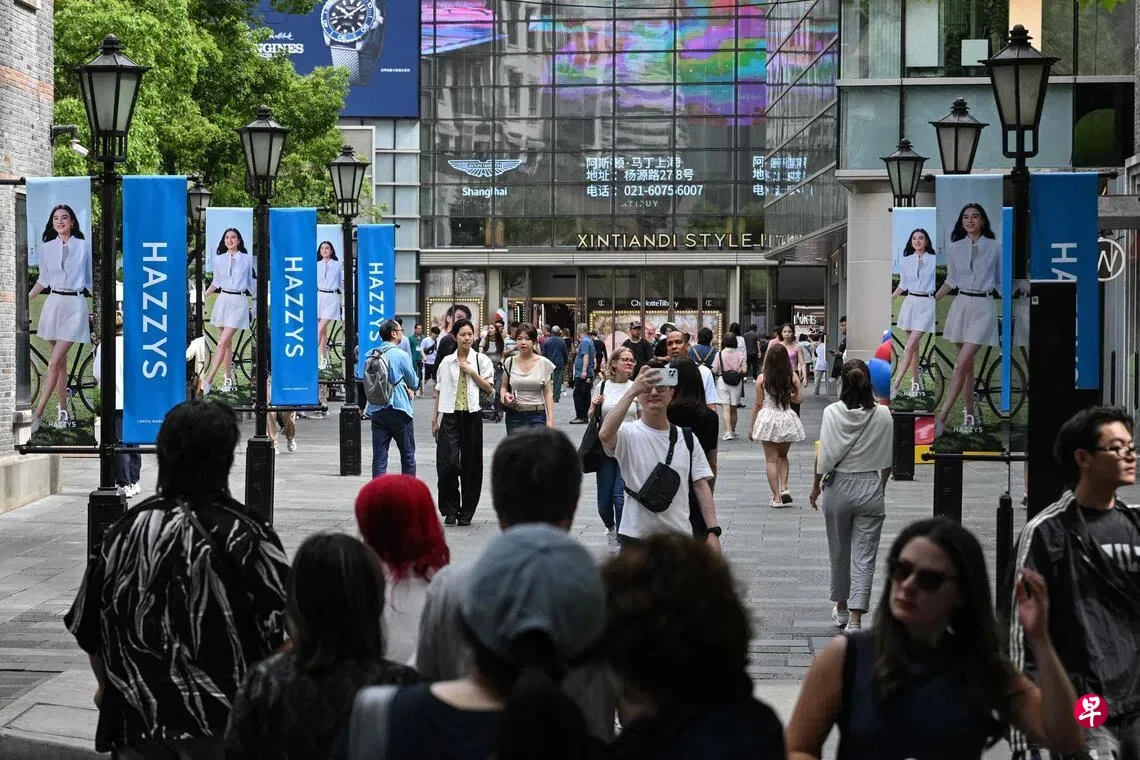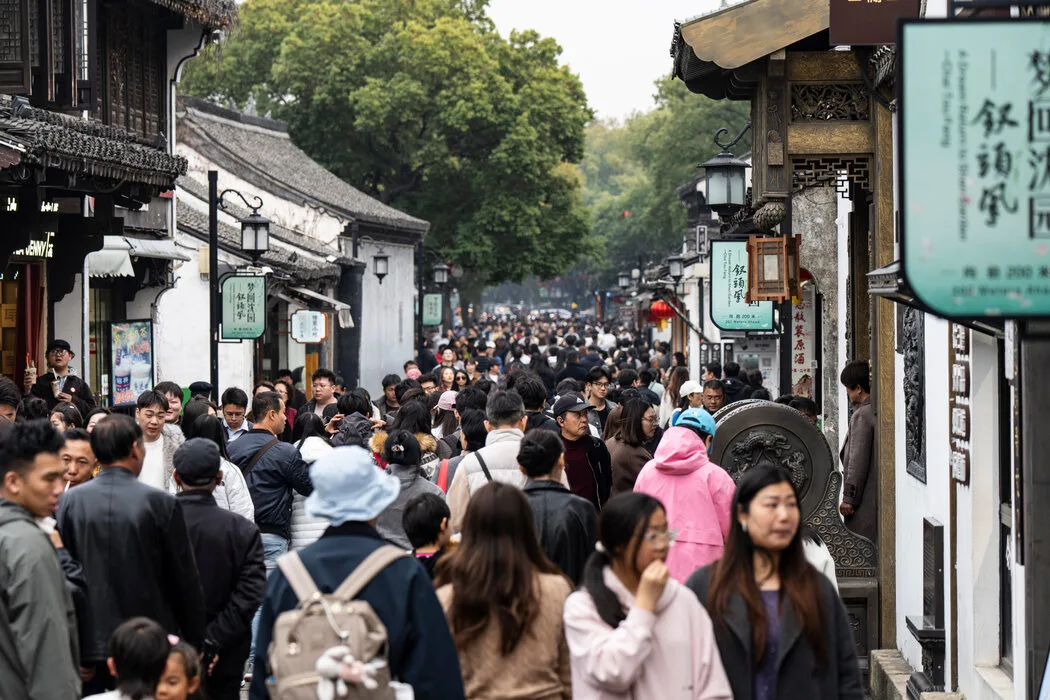
China’s total retail sales of consumer goods in May 2026 fell about 0.6% year-on-year, marking the first decline since December 2022, surprising analysts who expected flat growth for the month [1, 2, 3, 4, 5, 6, 7]. Retail sales totaled roughly 4.109 trillion yuan, or about 779 billion Singapore dollars, in May [2, 4, 5].
Passenger car sales weakened sharply, with May sales down 22.3% year-on-year, the eighth consecutive month of decline. The China Passenger Car Association reported 1.53 million units sold, affected by weak consumer confidence and ongoing challenges from a sluggish real estate sector, which likely pressured demand [1, 2, 3]. National Passenger Car Market Information Joint Conference Secretary-General Cui Dongshu noted, "Consumer confidence is weak, and the persistent real estate downturn will continue to weigh on domestic demand" [3].
Despite the automobile slump, new energy vehicles accounted for about 50% of May car sales, partly offsetting declines in traditional segments [3]. However, fading effects from large trade-in subsidy programs last year and adverse weather in some regions also dampened overall consumption [2, 7]. The China National Bureau of Statistics (NBS) spokesperson Fu Linghui said, "The decline in retail sales mainly reflects last year's large-scale trade-in policies and the elevated base from the 618 shopping festival. High temperatures and rain in some areas also affected offline consumer spending" [2].
Industrial production showed strength, with nationwide industrial added value for large enterprises rising 4.5% year-on-year in May, accelerating from April’s growth. Exports continued robust growth, reaching $376.8 billion in May, supporting industrial output amid weak domestic demand [1, 2, 3, 8, 5, 9, 10, 6, 11, 7]. Shanghai CEIBS economics professor Zhu Tian commented, "China’s supply side remains strong with fast export growth, steady industrial production, and expanding high-tech sectors. However, domestic demand remains weak" [3]. Oxford Economics senior economist Sheana Yue added, "The May data highlights the divergence between strong external demand and weak internal activity" [11].
Fixed asset investment fell 4.1% year-on-year in the first five months of 2026, recording the largest decline in six years. Real estate investment dropped 16.2% in the same period. Housing showed mixed signals: some first-tier cities saw month-on-month price gains, while prices in second- and third-tier cities stayed weak. Bloomberg economist Xu Tianchen said, "After two years of volatile adjustments, current real estate data changes are within expectations, and policy makers are unlikely to introduce major stimulus, awaiting market equilibrium" [2].
Urban surveyed unemployment edged down to 5.1% in May from 5.2% in April, suggesting relative labor market stability [9, 6, 7]. The NBS's Fu Linghui called for deeper implementation of consumer-boosting measures including employment and income support and innovations in consumption scenarios to better unlock spending potential [2].
The next key data release will be the June retail and industrial production figures, expected next month, which will show if domestic demand can revive following these subdued May results.