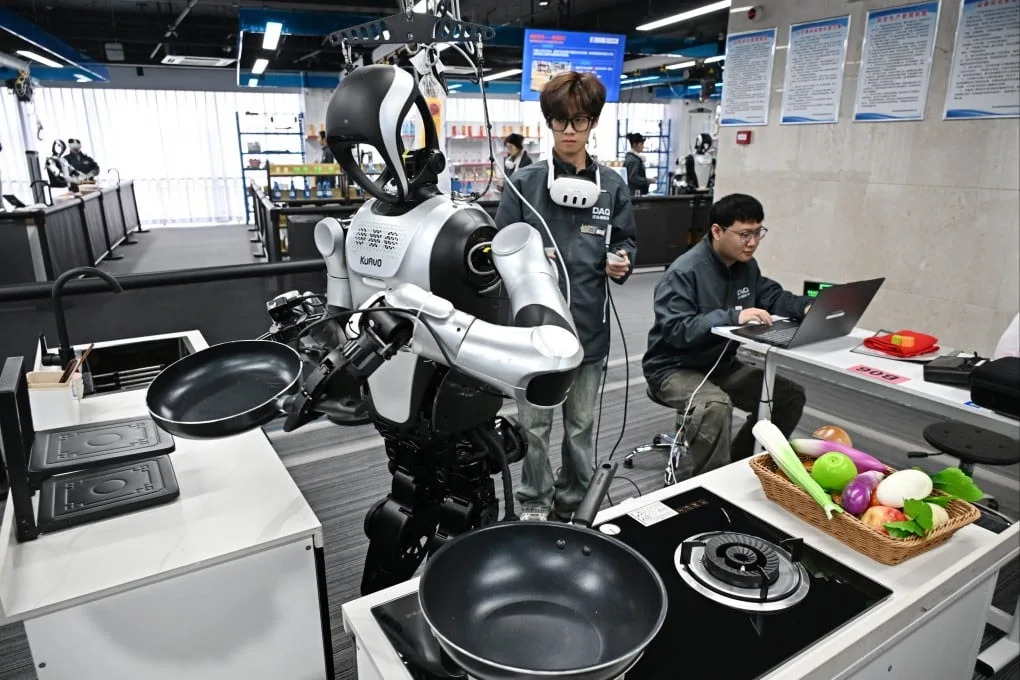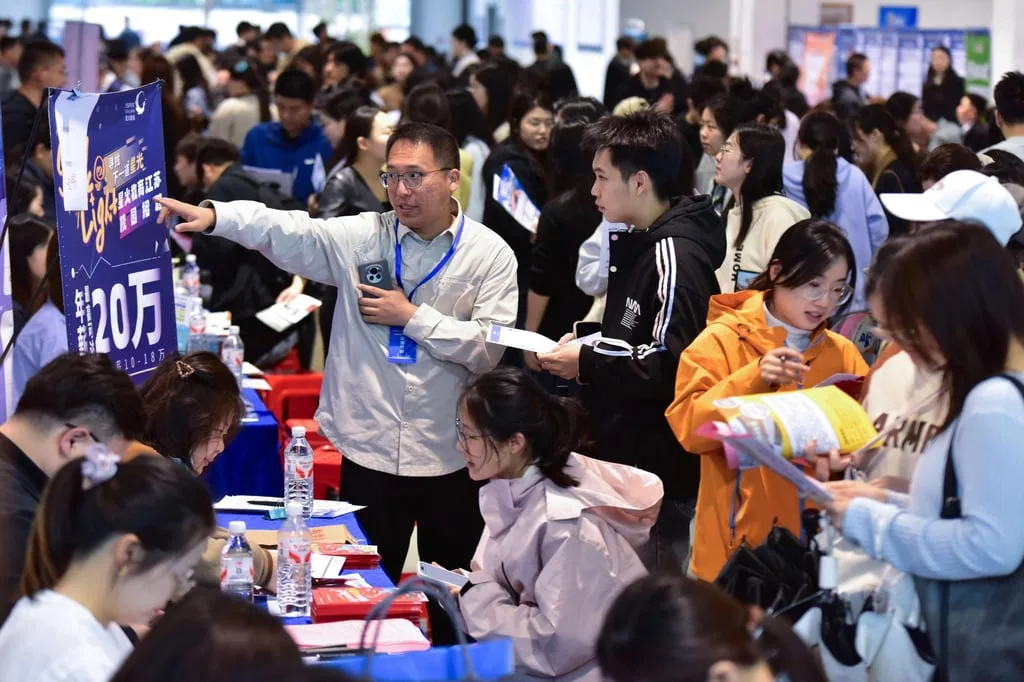
China’s industrial development relies on a combination of skilled engineers, extensive supply chain depth, effective policy execution, and significant industrial subsidies, according to recent analysis [1]. The country has spent roughly two decades shifting from its traditional "old three" industrial sectors to a focus on the "new three" sectors, marking a major structural transformation in its economy [1].
Between 2000 and 2023, Chinese government funds invested an estimated $184 billion in artificial intelligence firms, underscoring the state’s direct role in fostering technological advancement within the industrial sector [1]. This public funding approach shows a heavier reliance on state-backed channels than private capital, especially when compared to the United States’ investment patterns [1].
The coordinated effort among government policies, industrial subsidies, and a well-developed supply network has enabled China to build a robust engineering workforce and strengthen its manufacturing base. The combination of these factors has reinforced China’s position as a global industrial heavyweight [1].
China’s strategic embrace of new technologies like AI, supported by sustained investment from public sources, signals the country’s intent to continue modernizing its industrial sectors on a national scale [1]. The transformation from the old industrial bases to new high-technology areas provides a model of economic restructuring over the last two decades [1].