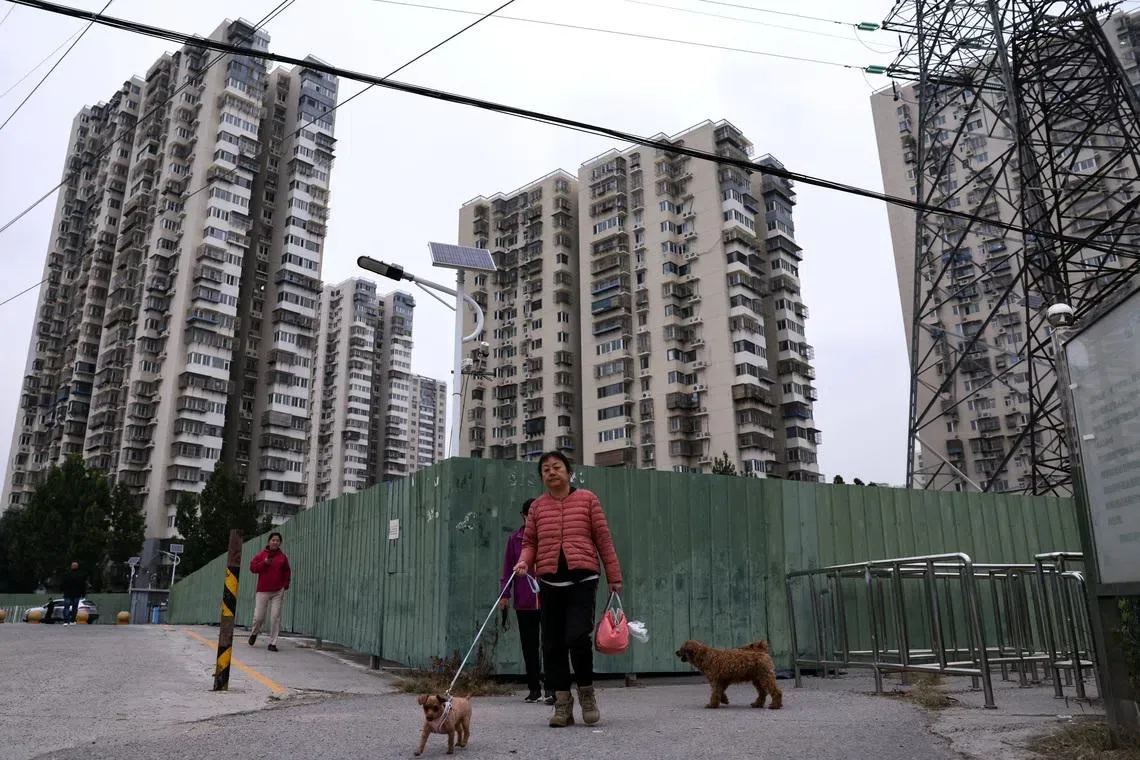
New-home prices across 70 Chinese cities, excluding state-subsidised housing, fell 0.2% month-on-month in May 2026, marking a faster drop than the 0.19% decline recorded in April [1, 2, 3, 4, 5, 6]. Resale home values dropped 0.26% in May, the biggest decrease in three months [1, 5]. On a yearly basis, home prices were down about 3.5%, matching April’s annual decline [6].
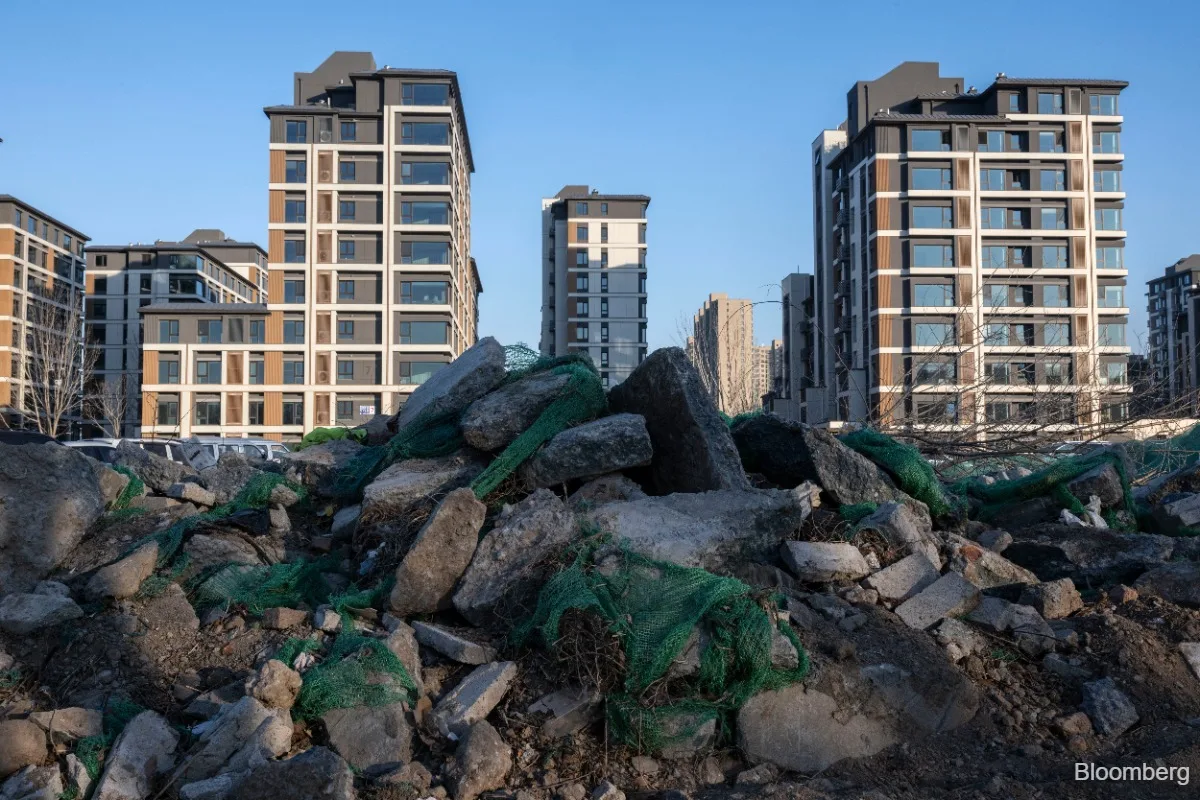
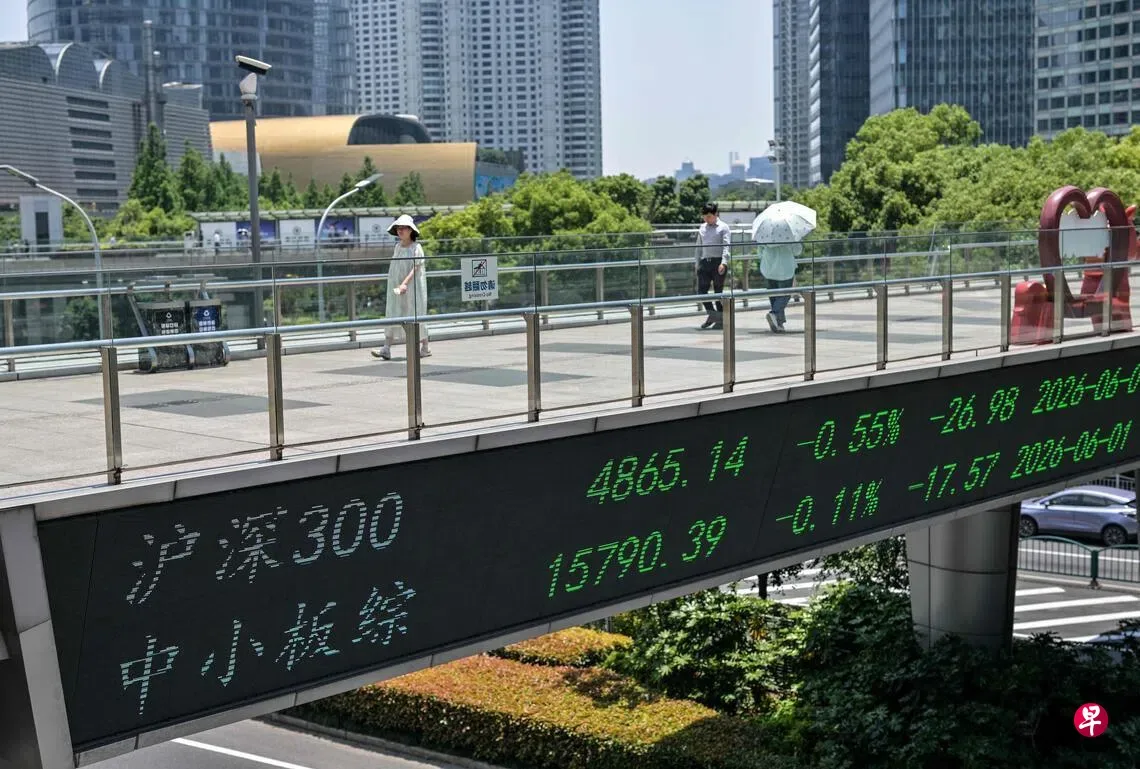
China’s property market downturn has persisted nearly five years, exerting strong pressure on the national economy and reducing consumer spending [1, 5, 6]. The main Chinese property developer stock index has fallen about 13-14% year-to-date, returning to pre-September 2024 stimulus levels after authorities introduced support measures then [2, 3, 4]. Some major developers, including China Vanke and Gemdale, posted significant losses in Q1 2026; Vanke’s net loss approached 6 billion yuan [2, 3, 4].
Investor demand is shifting away from traditional property stocks toward technology and semiconductor sectors driven by AI innovation [2, 3, 4]. Meanwhile, home prices in major tier-one cities such as Shanghai, Shenzhen, and Guangzhou showed tentative signs of stabilizing or modestly rising in May, with increases around 0.2% [2, 3, 4, 6]. However, prices in lower-tier and tier-three cities continued to decline, maintaining a divergence between city tiers. Analyst Jeff Zhang of Morningstar said, "We have seen notable improvement...in higher-tier cities in May, but lower-tier cities remain under pressure." He expects nationwide new home prices to bottom out only near 2027 [4].
Local governments like Guangzhou have introduced buying incentives and subsidies in late April to stimulate demand, including support for home upgrades and state-owned firms purchasing second-hand homes [6]. Yet uncertainty looms as May marks the start of a three-month slow sales season, raising questions about whether key cities can maintain momentum. Analyst Guo Zhen of Guangfa Securities commented, "Starting May, China’s home market is set to undergo a three-month test as it enters a traditionally slow season for sales." [1]
The National Bureau of Statistics confirmed the May data on June 16, 2026, consolidating the picture of ongoing pressure on the property sector [1, 2, 3, 4, 5, 6].