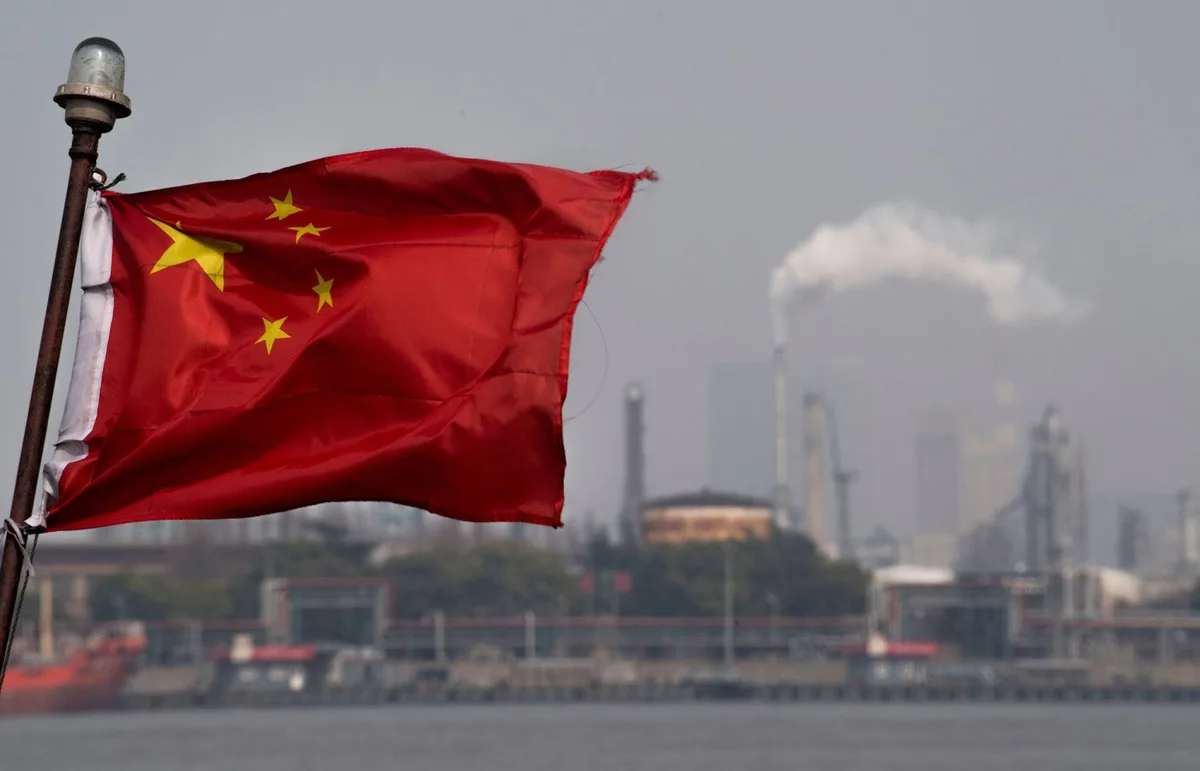
China ordered its companies on Saturday to disregard U.S. sanctions aimed at five oil refiners linked to Iranian crude purchases. The Ministry of Commerce accused the sanctions of violating "international law and the basic norms of international relations" [1, 2].
The U.S. sanctions target five specific refiners accused of handling Iranian crude oil, part of Washington's effort to curb Iran's oil exports [1]. China's directive, described as unusual pushback against U.S. financial measures, signals rising tension over sanctions enforcement [1, 2].
Such resistance could intensify pressure on China's banking and financial sector, as companies face conflicting demands between Beijing and Washington [2]. The timing came less than two weeks ahead of a planned presidential summit involving former U.S. President Donald Trump, a detail noted by some sources but omitted by others [1, 2].
China's Ministry of Commerce condemned the sanctions as breaching international norms, emphasizing China's rejection of the U.S. penalty regime [1]. Analysts characterize the move as a rare and direct challenge to U.S. extraterritorial sanctions policy.
The Japan Times reported the development on May 4, providing broader context on China's stance and the potential for escalating friction between Beijing and Washington [2].
The upcoming presidential summit, scheduled within days, presents a key event where these tensions may be addressed or further highlighted [1].