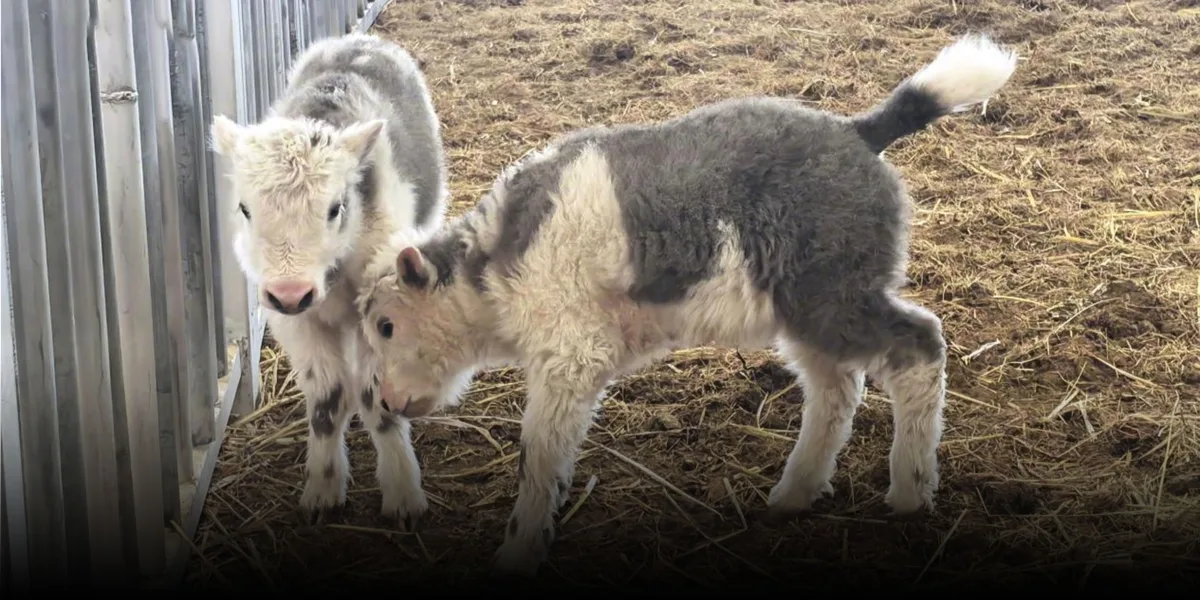
Chinese researchers announced the successful cloning of 10 female Tibetan yaks in a single batch between March 25 and April 5, 2026. The yaks were impregnated with cloned embryos and delivered naturally without assistance, demonstrating stability in large-scale cloning application [1].
The project began in 2023 as a collaboration among the Damxung County government, the Institute of Plateau Biology of Xizang, and Zhejiang University, aiming to improve breeding of yaks endemic to the Qinghai-Tibet Plateau [1]. Wild yaks hold first-class national protection status, with only about 300 golden wild yaks remaining in Xizang [1].
The team sequenced the genomes of 8,971 yaks, creating cloned embryos and a cell line specifically for Tibetan yaks. This large-scale genetic data helped guide the cloning process using whole-genome selection to identify desired traits and reduce a breeding cycle from roughly 20 years to under five years [1].
The first cloned yak was born in July 2023, weighing 16.75 kilograms at birth and reaching 183.25 kilograms by 286 days old. Its excellent growth validated the technique's effectiveness [1]. To address the challenges posed by yaks' high-altitude adaptations, the researchers developed new methods including egg cell maturation outside the body and embryo reconstruction [1].
Fang Shengguo, part of the research team, noted, "It’s clear that the technology has progressed from individual success to batch-scale, stable application" [1].
The successful cloning of 10 yaks at once marks a step forward in breeding and conservation efforts for this protected species. The team continues work pursuing improvements to cloning and breeding protocols.