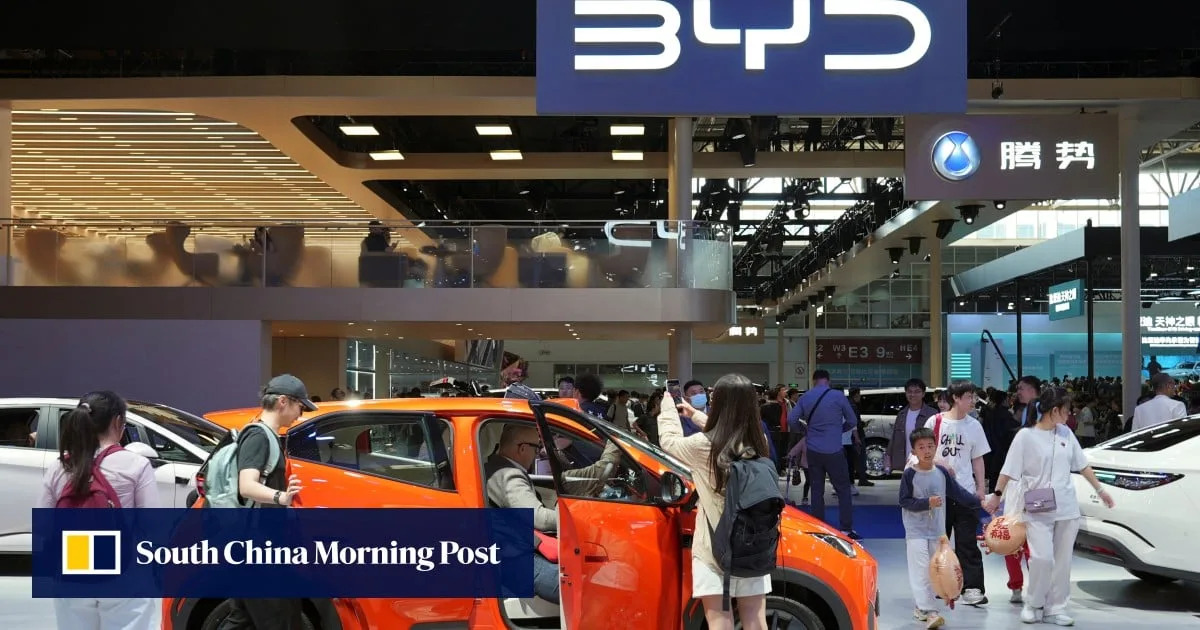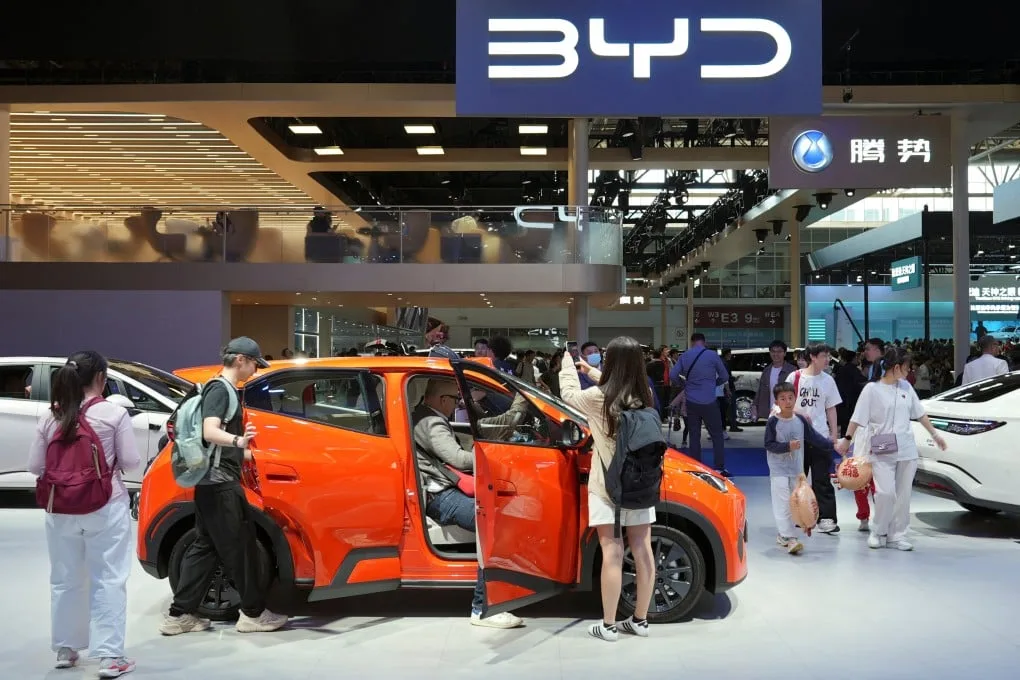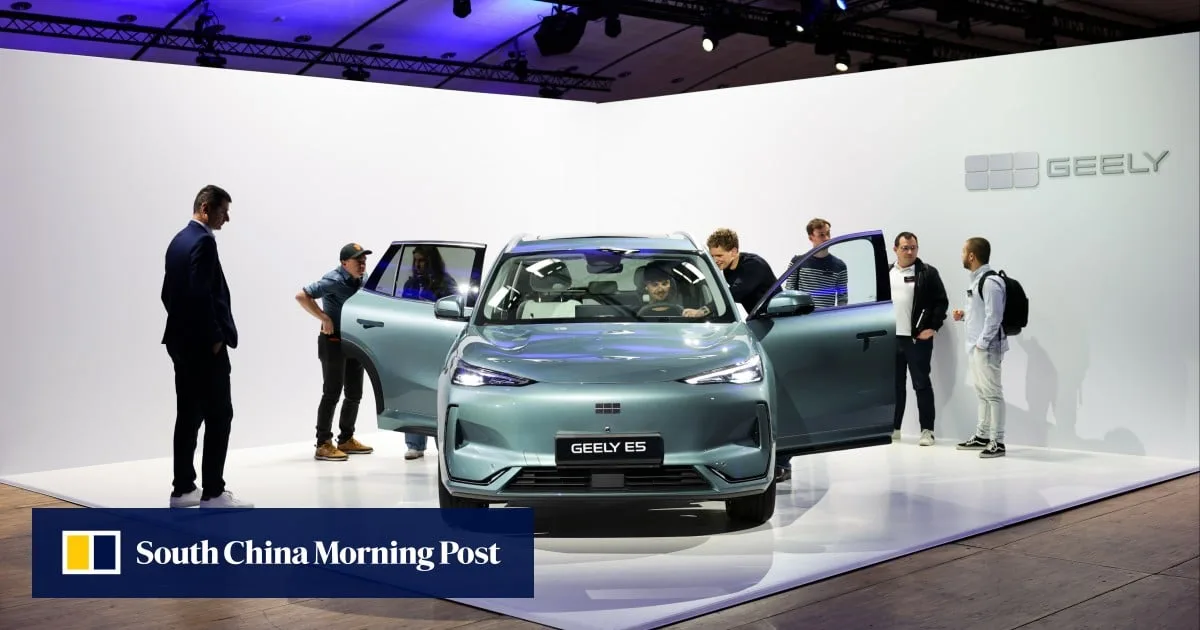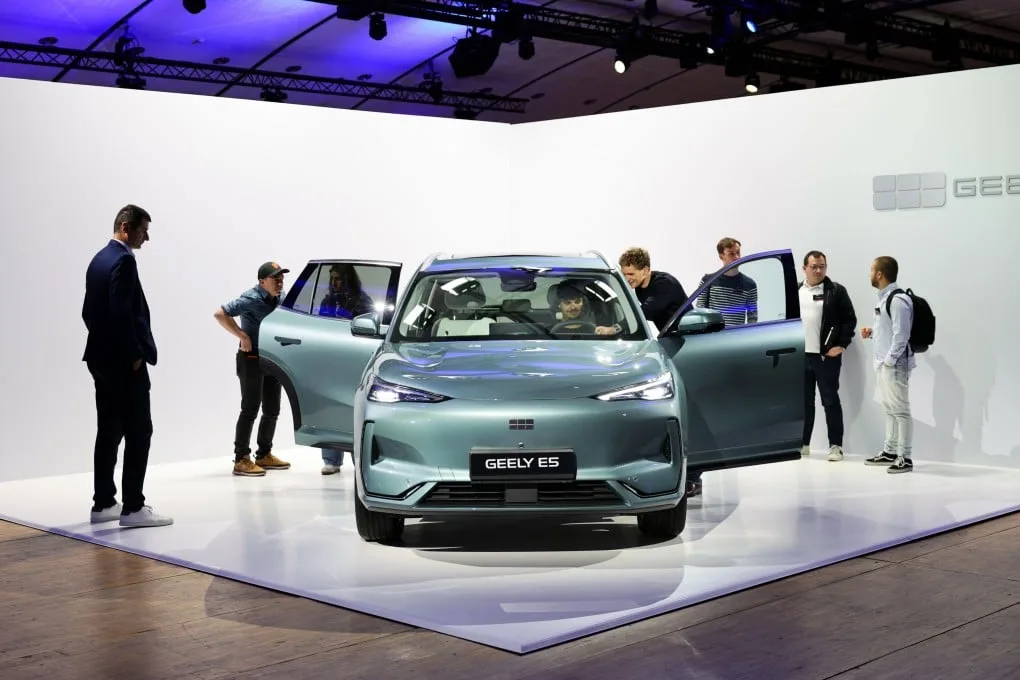
Chinese automakers BYD and Geely reported declines in their first-quarter net profits despite differences in revenue trends and sales volumes, reflecting ongoing challenges in the domestic electric vehicle (EV) market amid price competition and fading incentives.
Geely disclosed in a Wednesday filing that its net profit for January through March fell 27% year-on-year to 4.17 billion yuan (US$610 million) according to one source, while another reported the figure as 4.2 billion yuan. [1, 2] The company’s revenue rose 15% to a record 83.8 billion yuan for the quarter, supported by a 1% increase in total sales volume to 700,940 units. [1] However, Geely cited foreign exchange losses as the key factor behind its profit decline. [1] CEO Gui Shengyue said, "Sales volume in the domestic market has not yet recovered after the phasing out of the purchase tax incentives," underlining ongoing pressure at home. [1]
BYD also posted a year-on-year drop in first-quarter net profit, reporting around 4.09 billion yuan (US$590 million), down 55%. [2, 3] Unlike Geely, BYD's revenue slipped 11.8% to 150.2 billion yuan during the period. [3] The company indicated that stronger overseas sales partially offset weaker domestic demand, exporting 120,083 vehicles in March alone. [3]
Both automakers benefited from increased exports amid China's intensifying domestic EV price competition, a dynamic that has pressured profit margins and sales volumes in the local market. [2, 3]
Geely’s total domestic sales and revenue gains were not enough to counter foreign exchange losses and reduced profit margins, while BYD's larger exposure to overseas markets helped cushion some domestic weaknesses.
The companies will report further quarterly updates later in the year, with market watchers expected to monitor how shifts in tax policies and currency fluctuations continue to affect profitability and sales performance.