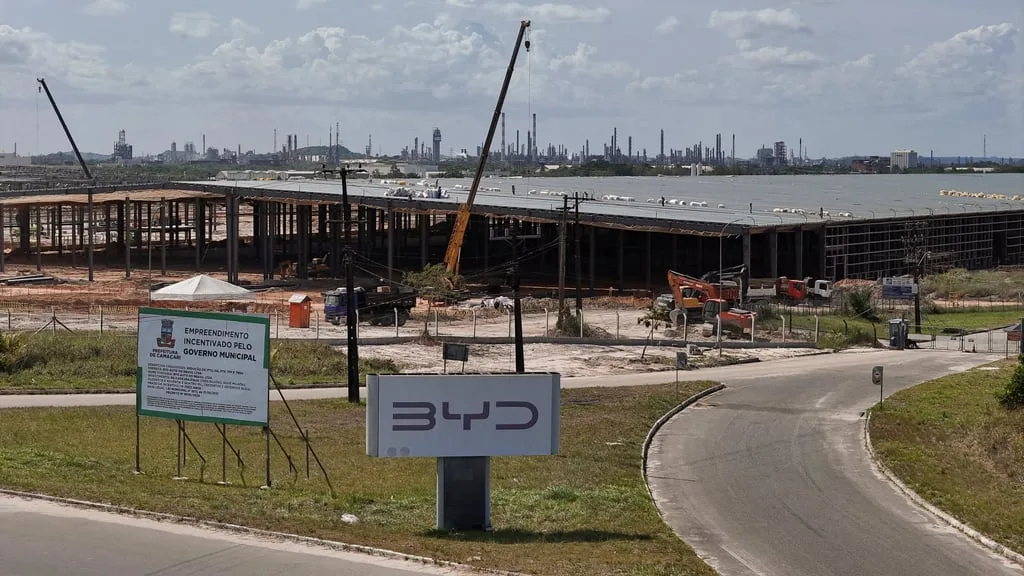
Brazil’s labour ministry placed Chinese electric vehicle manufacturer BYD on its registry of employers accused of imposing conditions akin to slavery on workers. The move marks a significant regulatory action against the EV giant in one of its key overseas markets [1].
Being blacklisted will limit BYD’s eligibility for state financing programs in Brazil and add reputational risks as the country is its most important market outside China [1]. The listing implicates BYD in labour practices that violate Brazilian legal standards and reflects increasing scrutiny of supply chain and labour rights compliance.
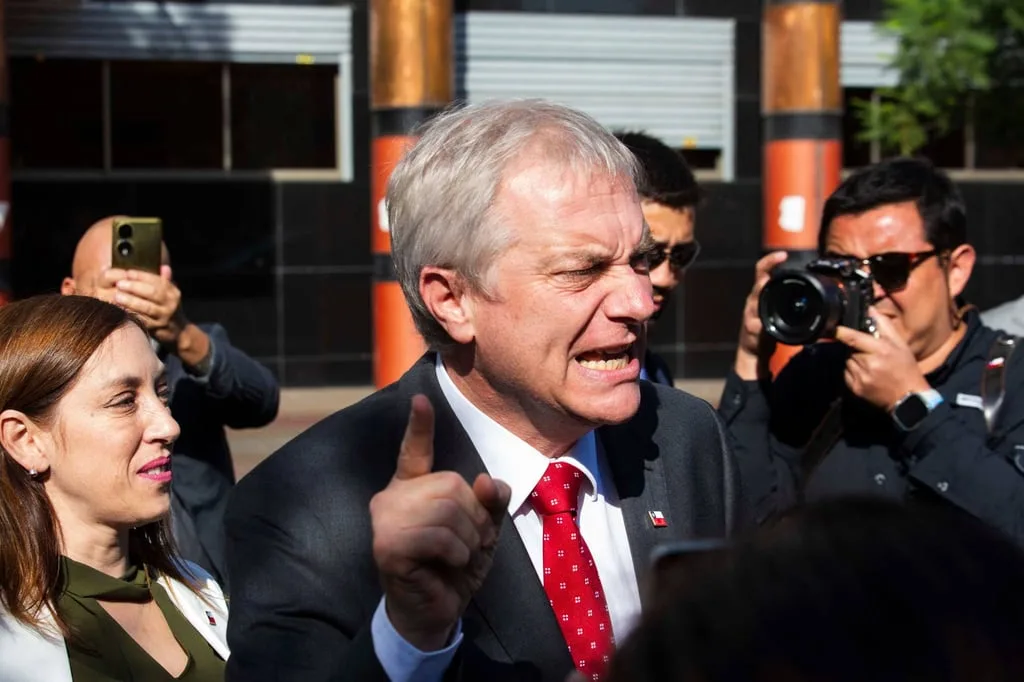
In related news from April 2026, Chilean authorities dismantled a smuggling operation that shipped stolen copper valued at US$917 million from Chile to China over five years. This disruption of a major illicit trade highlights rising regional law enforcement efforts targeting cross-border economic crimes [1].
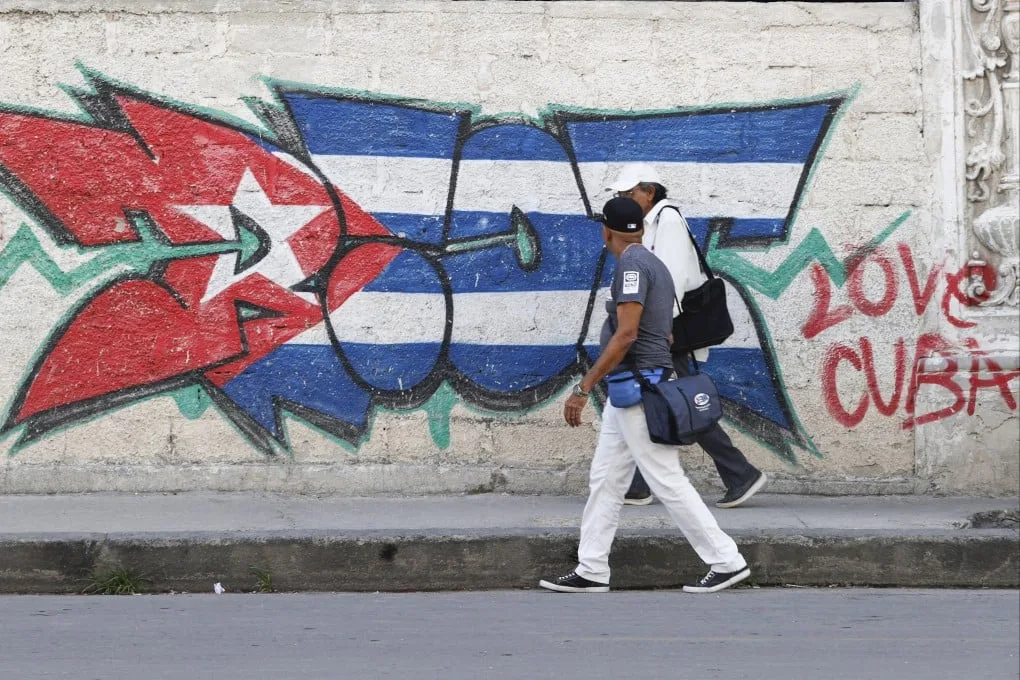
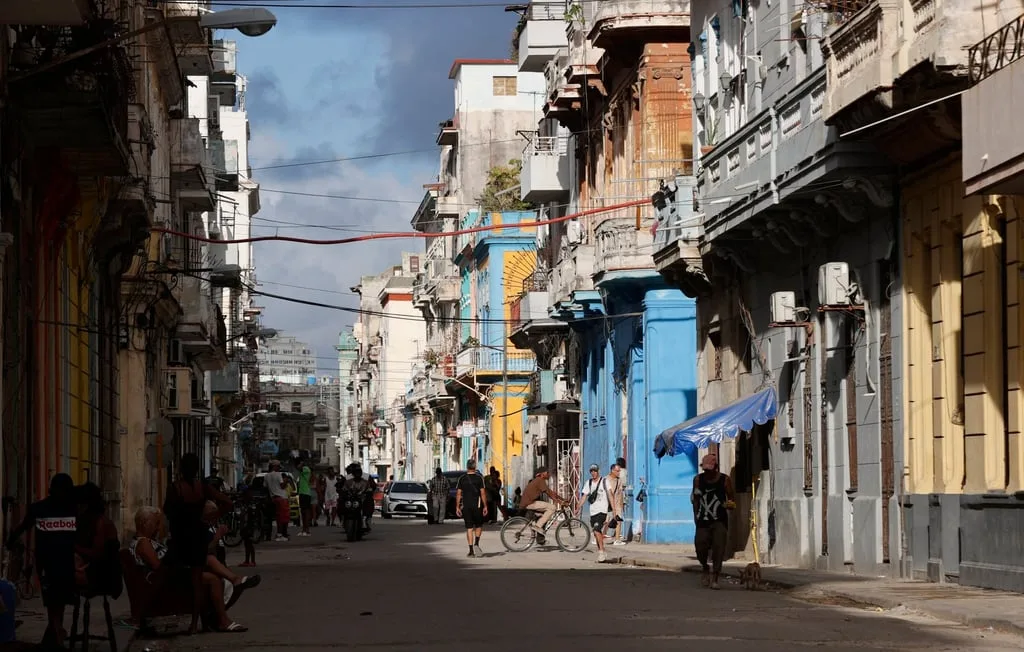
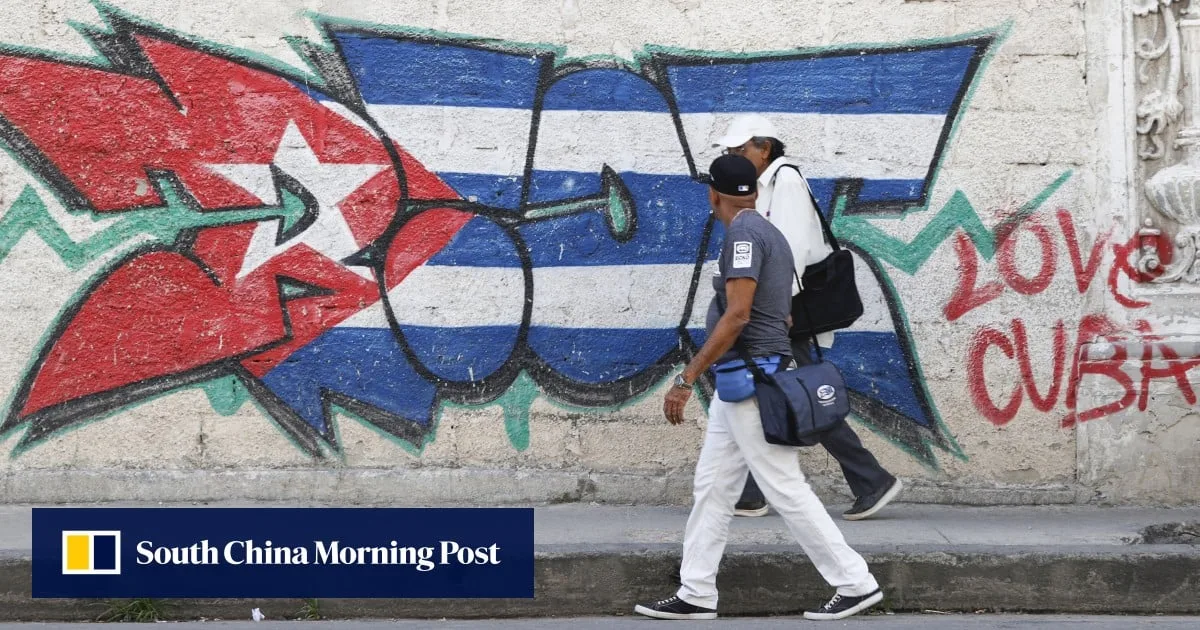
China and Russia have meanwhile expressed support for Cuba’s government amid US diplomatic pressure, with Moscow sending a deputy foreign minister to Havana and Beijing indicating a willingness to increase diplomatic backing [1].
By linking these global geopolitical and economic developments, the latest steps demonstrate growing challenges for Chinese companies and government interests amid scrutiny in Latin America. Brazilian authorities’ blacklisting of BYD represents a legal and financial setback that could affect the company’s expansion and financing strategies in the key Brazilian market.
The blacklisting decision is effective immediately, and BYD faces renewed pressure to address the labour conditions cited as the cause of the ban [1].