Beijing penalized three Hong Kong-based online brokers in late May 2026 for allowing mainland Chinese investors to trade overseas stocks without required licenses, according to multiple sources [1, 2, 3, 4]. The crackdown puts at risk as much as HK$250 billion (US$32 billion) in assets linked to mainland clients in Hong Kong [1].
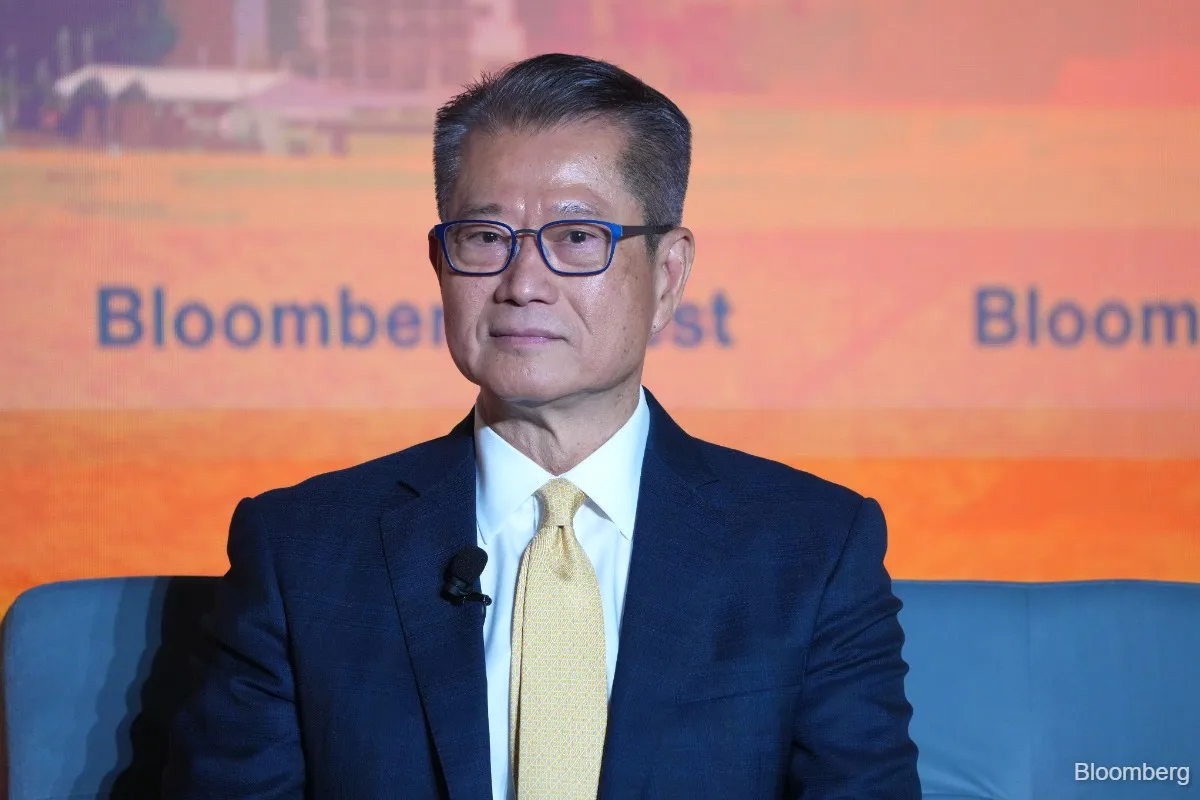
Hong Kong banks have responded by tightening scrutiny on mainland Chinese clients opening offshore accounts, increasing compliance checks [1, 2]. Paul Chan, Hong Kong Financial Secretary, addressed the Bloomberg Invest conference on June 10, affirming central government support for Hong Kong as an international financial center. He said, "I do think when we put this into the proper channel, we can inspire the confidence of the mainland authorities about the unwarranted leakage of foreign exchange reserve. Then, with that trust, we can move forward on a more sustainable basis" [1].
The crackdown is part of Beijing's broader effort to strengthen oversight of cross-border capital flows and redirect funding back to domestic markets [2, 3, 4]. The move is expected to weigh heavily on money flows to Hong Kong and impact banks, insurers, and wealth managers that rely on mainland Chinese investors [3, 4]. Some financial firms have taken cautious steps by limiting staff travel to mainland China and suspending client events there [4].
Gary Ng, senior Asia-Pacific economist at Natixis, warned, "The biggest problem is that you never know how far the crackdown on cross-border capital flow can go. A change in the business norms can pose risks to Hong Kong firms" [4]. Capital controls and new regulations have created uncertainty about the future scale of cross-border capital flows [4].
Despite challenges, Hong Kong reported US$2.9 trillion in cross-border wealth booked in 2025, a 10.7% increase that surpassed Switzerland [4]. The territory continues efforts to attract global business by cutting red tape for family offices, embracing cryptocurrencies, and proposing tax exemptions for hedge fund managers [1].
On June 12, Kelvin Wong Tin-yau, chairman of Hong Kong's Securities and Futures Commission, pledged at the Caixin Summer Summit to enforce strict regulatory compliance. He said, "We will always be steadfast guardians of the market, driving development and encouraging innovation while never compromising on our bottom line" [2].